World Humanoid Robot Games to Kick Off in Beijing This August
Following April's historic half-marathon where the fastest humanoid robot 'Lightning' finished in 50 minutes and 26 seconds, Beijing will host the World Humanoid Robot Games in August 2026. The competition shifts focus from pure speed to real-world capability — testing whether robots can work in factories, homes, and daily life.
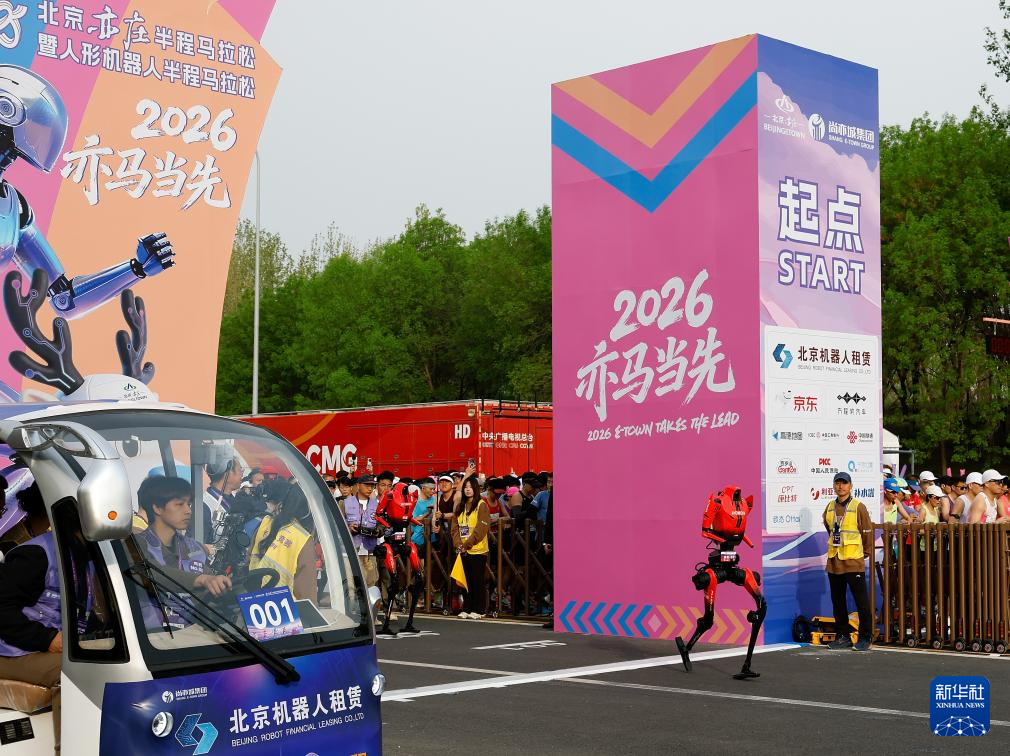
On July 30, 2026, China Daily reported that the World Humanoid Robot Games will be held in Beijing in August 2026. This follows April's historic humanoid robot half-marathon, where the fastest robot 'Lightning' completed the 21.1km course in 50 minutes and 26 seconds — a landmark moment for humanoid robot mobility.
The upcoming games represent a shift in evaluation criteria. While previous competitions focused on speed and athletic performance, the August event will test robots on practical capabilities: can they navigate factory floors, assist in homes, and operate in unstructured real-world environments? Events are expected to include industrial task completion, home service scenarios, and collaborative operations.
The competition comes at a pivotal moment for the industry. In the first half of 2026, China's humanoid robot production exceeded 40,000 units, with full-year output expected to surpass 100,000. Multiple companies including Unitree, Agibot, UBTECH, and XPeng have deployed robots in real factory environments, transitioning from laboratory demonstrations to production-line workers.
Industry observers note that the games will serve as a public benchmarking platform, allowing companies to demonstrate real-world progress rather than curated demos. The event is expected to attract participants from major domestic and international robotics companies, with competitions spanning mobility, manipulation, perception, and AI decision-making capabilities.
The shift from 'running fast' to 'working well' reflects the industry's broader maturation. As one industry analyst noted: 'The next competition isn't just about who runs the fastest — it's about who can actually do the job. From running out of the lab to walking into the real world.'
The next competition isn't just about who runs the fastest — it's about who can actually do the job. From running out of the lab to walking into the real world.
— 中国日报
Related Robot
Unitree G1
Unitree Robotics
Related News
 央视网 / 双十一电商数据
China's Double-11 Robot Price War: First Humanoids Under ¥10,000 Hit Shelves as Makers Target Mass Market
China's November 11 shopping festival saw three humanoid robots priced under ¥30,000 ($4,150) for the first time, including Songyan Power's 'Little Bumi' at ¥9,999 — the first humanoid robot ever priced below ¥10,000. Unitree and Acceleration Evolution both launched ¥29,000 models. The aggressive pricing signals Chinese humanoid makers have entered a mass-market phase, targeting consumer and small-business buyers rather than just research labs and enterprise procurement.
 Humanoid.Guide / 工信部
China Expands Humanoid Robot Patent Share to 60.8% of Global Total
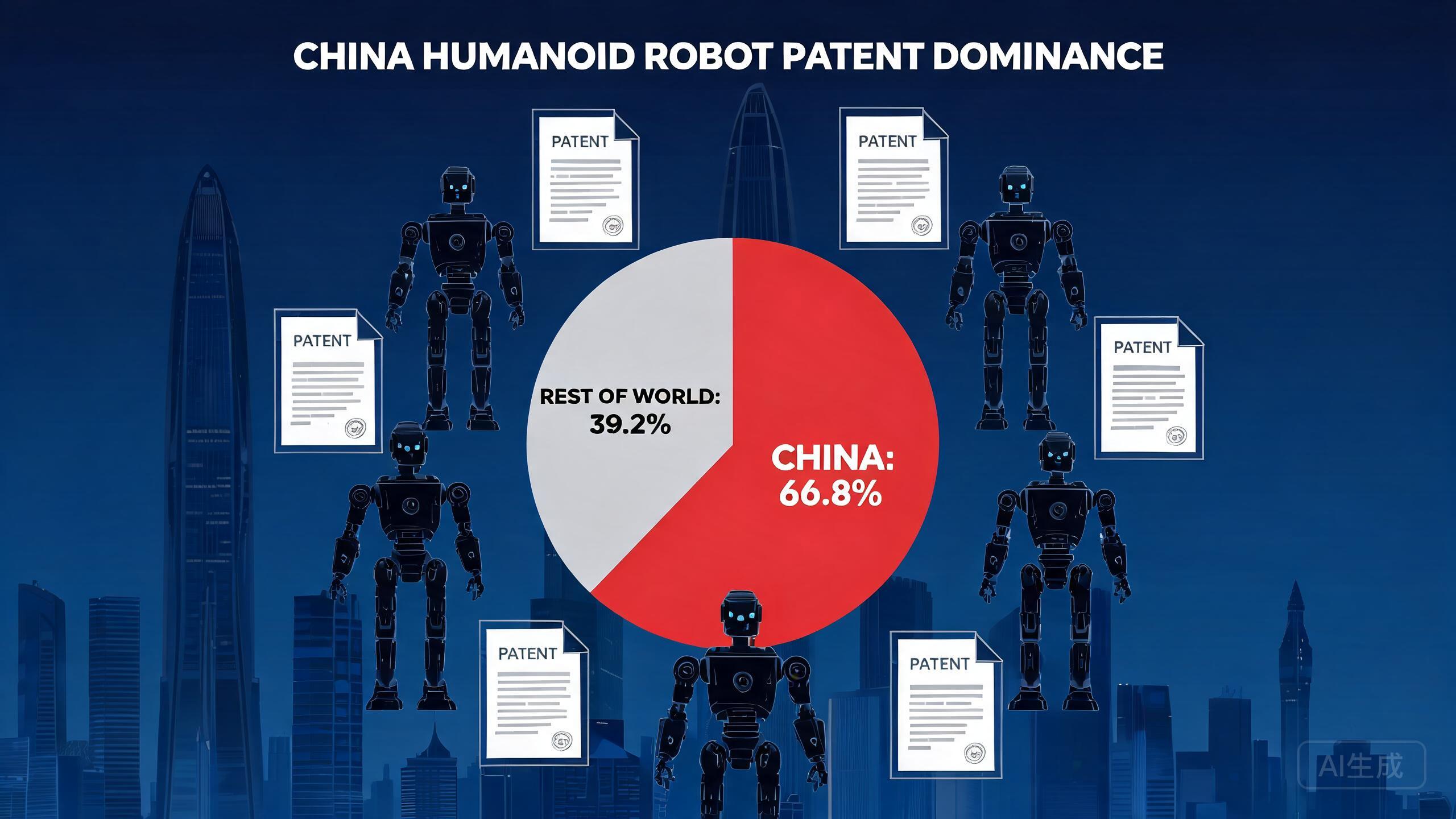
On September 28, 2026, data from China's Ministry of Industry and Information Technology showed that Chinese institutions hold 60.8% of all global humanoid robot patents, up from 52% a year earlier. The country filed over 34,000 humanoid-related patents in 2025 alone. Industry analysts caution that volume does not equal quality — many patents are incremental design registrations rather than core technology breakthroughs — but the gap is narrowing fastest in actuation, sensing, and AI control systems.
 humanoid.guide
Chinese Regulators Slow Humanoid Robot IPOs After Unitree Stock Swing
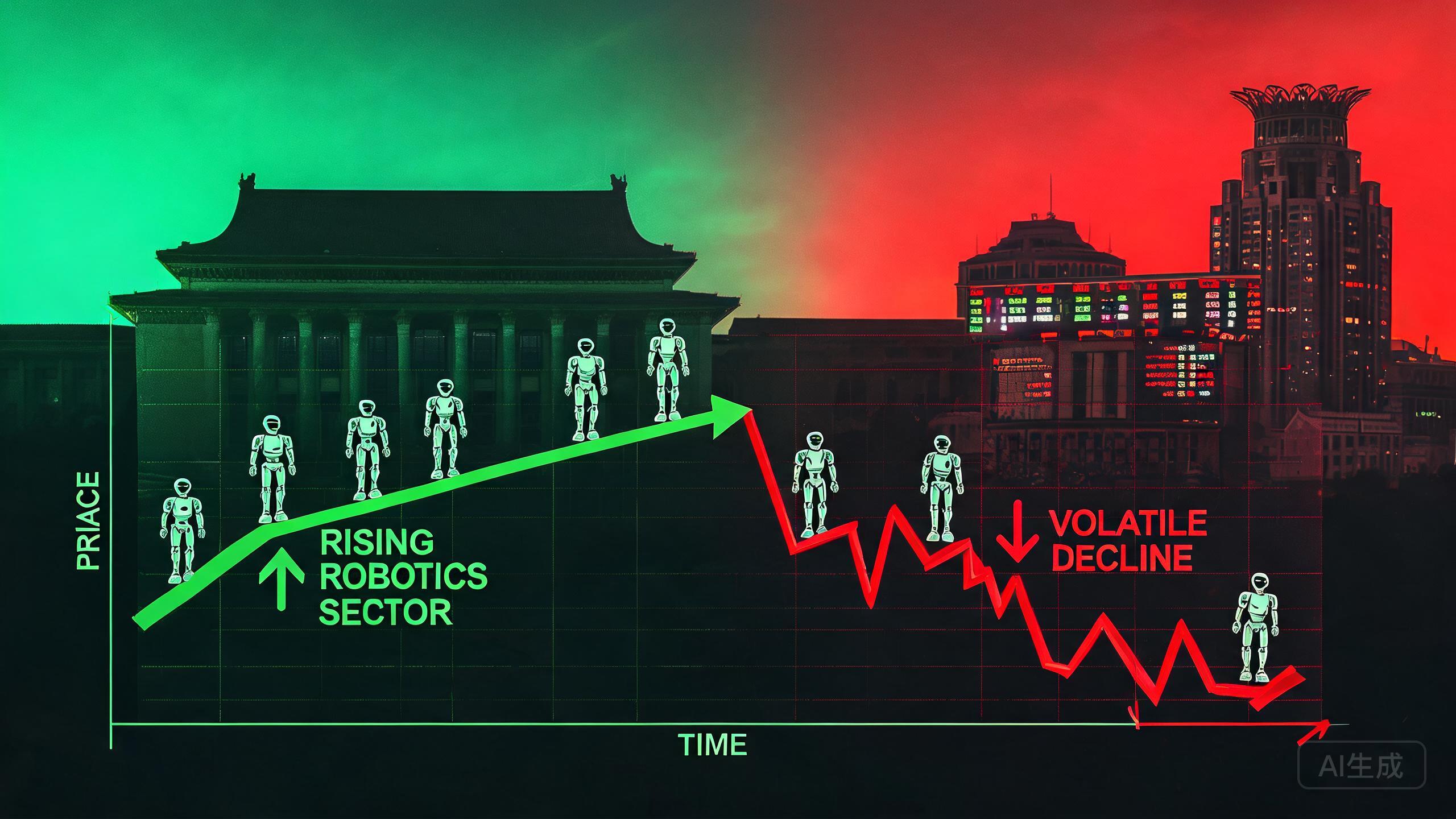
In late September 2026, Chinese regulators began slowing the pace of humanoid robot company IPOs on the STAR Market after Unitree's stock experienced significant volatility following its record-breaking public debut. Regulators are scrutinizing valuations and revenue tied to local government-backed robotics projects. The move affects multiple humanoid startups in the IPO pipeline, potentially delaying their listing timelines.