Chinese Regulators Slow Humanoid Robot IPOs After Unitree Stock Swing
In late September 2026, Chinese regulators began slowing the pace of humanoid robot company IPOs on the STAR Market after Unitree's stock experienced significant volatility following its record-breaking public debut. Regulators are scrutinizing valuations and revenue tied to local government-backed robotics projects. The move affects multiple humanoid startups in the IPO pipeline, potentially delaying their listing timelines.
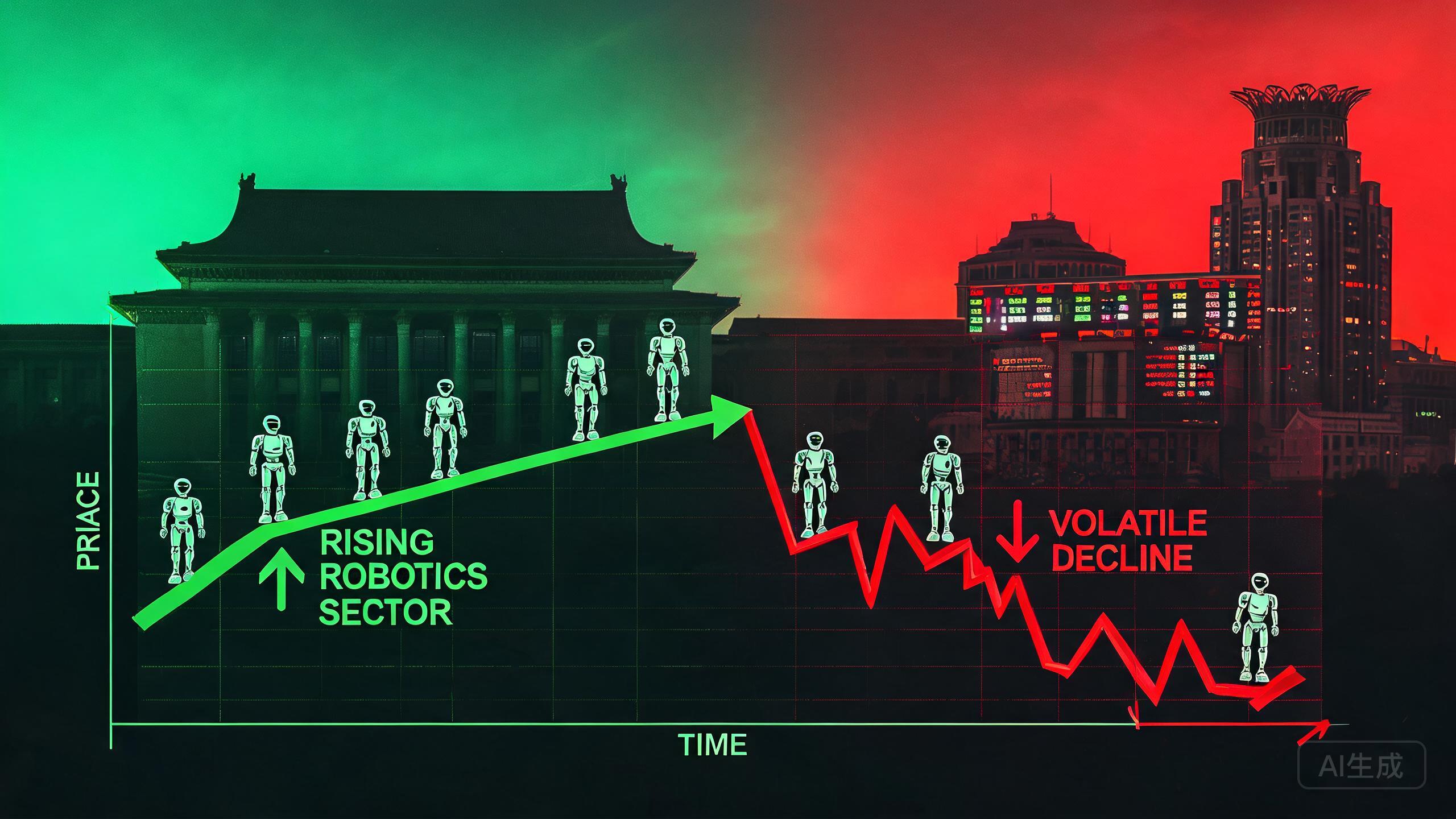
In late September 2026, Chinese securities regulators began slowing the pace of humanoid robot company IPOs on the STAR Market (Science and Technology Innovation Board), according to humanoid.guide. The move follows Unitree Robotics' record-breaking public debut, after which its stock experienced significant price swings that drew regulatory scrutiny.
Unitree's IPO was one of the most anticipated STAR Market listings of 2026. The company's stock surged on its first day of trading, but subsequent volatility — including sharp declines — raised concerns about whether humanoid robotics valuations have decoupled from underlying revenue and deployment metrics. Regulators are now examining whether some companies' revenue is overly dependent on local government-backed robotics projects, which may not represent sustainable commercial demand.
The regulatory slowdown affects multiple humanoid startups in the IPO pipeline. Companies that had been preparing filings or had already submitted applications may face extended review periods or additional disclosure requirements. The specific criteria being applied include: revenue concentration in government-related projects, proportion of R&D versus marketing spending, and the gap between projected and actual deployment numbers.
This development reflects a broader tension in China's humanoid robotics sector. On one hand, national and local governments are heavily subsidizing the industry through procurement contracts, demonstration zones, and R&D grants — creating a boom in humanoid robotics companies. On the other hand, regulators are increasingly concerned that some of this growth is driven by policy incentives rather than genuine market demand, potentially creating a bubble.
The IPO slowdown does not affect already-listed companies like Unitree, but it could impact the funding environment for private humanoid startups that were counting on public markets to fuel their next phase of growth. Some industry observers view the regulatory caution as healthy — forcing companies to demonstrate real deployment metrics and sustainable revenue before accessing public capital. Others worry it could slow the industry's momentum at a critical juncture in global humanoid competition.
Regulators are examining whether some companies' revenue is overly dependent on local government-backed robotics projects, which may not represent sustainable commercial demand.
— humanoid.guide analysis
Related Robot
Unitree G1
Unitree Robotics
Related News
 央视网 / 双十一电商数据
China's Double-11 Robot Price War: First Humanoids Under ¥10,000 Hit Shelves as Makers Target Mass Market
China's November 11 shopping festival saw three humanoid robots priced under ¥30,000 ($4,150) for the first time, including Songyan Power's 'Little Bumi' at ¥9,999 — the first humanoid robot ever priced below ¥10,000. Unitree and Acceleration Evolution both launched ¥29,000 models. The aggressive pricing signals Chinese humanoid makers have entered a mass-market phase, targeting consumer and small-business buyers rather than just research labs and enterprise procurement.
 Humanoid.Guide / 工信部
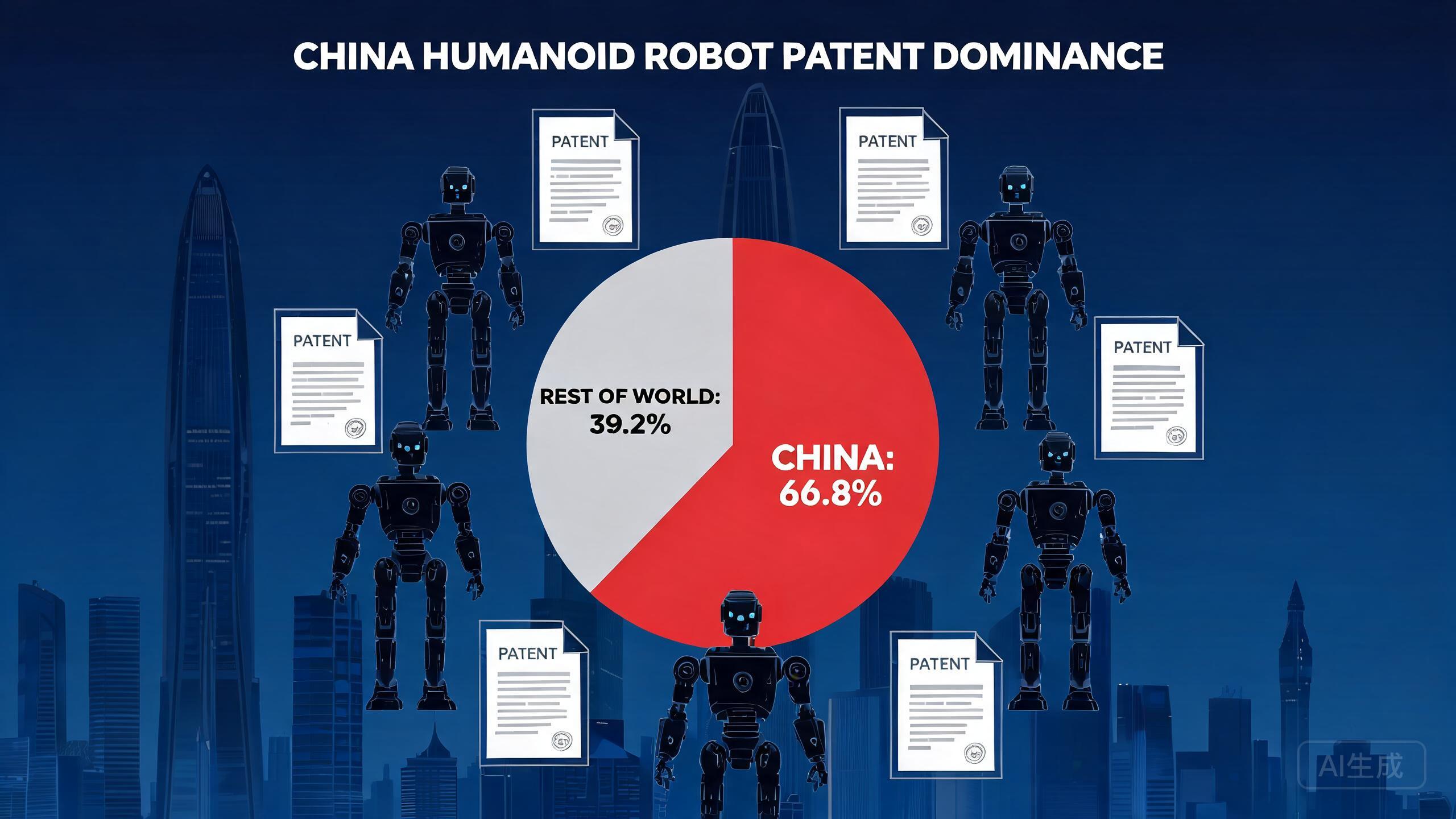
China Expands Humanoid Robot Patent Share to 60.8% of Global Total
On September 28, 2026, data from China's Ministry of Industry and Information Technology showed that Chinese institutions hold 60.8% of all global humanoid robot patents, up from 52% a year earlier. The country filed over 34,000 humanoid-related patents in 2025 alone. Industry analysts caution that volume does not equal quality — many patents are incremental design registrations rather than core technology breakthroughs — but the gap is narrowing fastest in actuation, sensing, and AI control systems.
 中国经济网 / Techiexpert
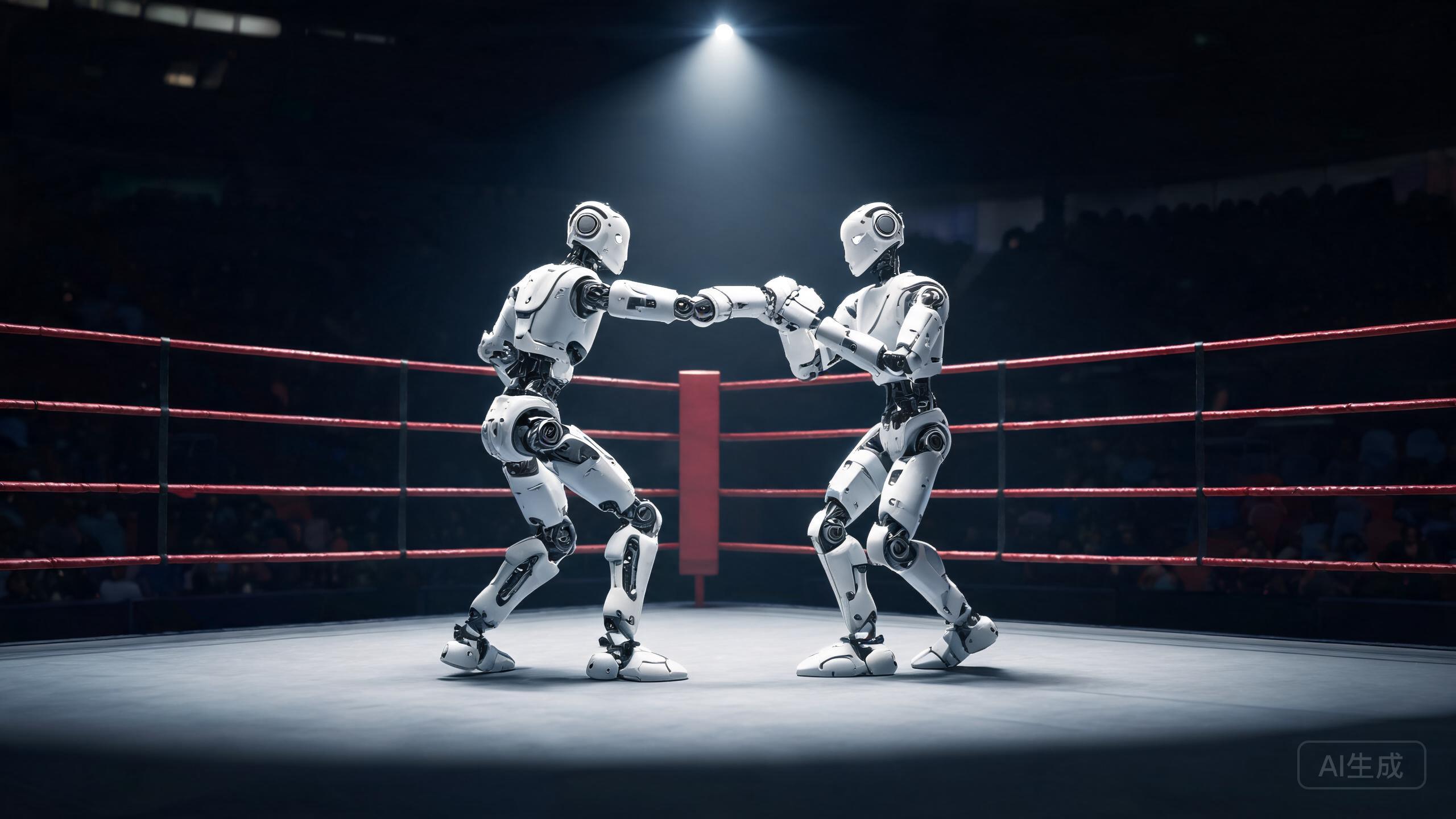
Unitree Achieves World's First Fully Autonomous Humanoid Combat with UnifoLM-X2
On September 7, 2026, Unitree Robotics demonstrated the world's first fully autonomous humanoid robot combat, powered by its UnifoLM-X2-1.0 world-action model. No human control, no teleoperation — the robot predicted opponent movements and planned counter-actions in real time. This marks a milestone in world-model-driven humanoid deployment, proving that real-time planning, decision-making, and dynamic interaction execution can work on physical hardware.