China's Double-11 Robot Price War: First Humanoids Under ¥10,000 Hit Shelves as Makers Target Mass Market
China's November 11 shopping festival saw three humanoid robots priced under ¥30,000 ($4,150) for the first time, including Songyan Power's 'Little Bumi' at ¥9,999 — the first humanoid robot ever priced below ¥10,000. Unitree and Acceleration Evolution both launched ¥29,000 models. The aggressive pricing signals Chinese humanoid makers have entered a mass-market phase, targeting consumer and small-business buyers rather than just research labs and enterprise procurement.

China's Double-11 shopping festival has always been a battlefield for price wars, but 2026 marked a historic first: three humanoid robots went on sale priced under ¥30,000 ($4,150), including one that broke the ¥10,000 barrier. Songyan Power's 'Little Bumi' (小布米) is listed at ¥9,999 — the first humanoid robot ever priced below ¥10,000. Unitree and Acceleration Evolution both launched models at ¥29,000.
The price points tell a story. A year ago, the cheapest humanoid on China's market was Unitree's G1 at around ¥60,000. Six months ago, Deep Robotics' Lynx wheel-legged robot dropped to ¥29,900. Now three makers are under ¥30K, and one is under ¥10K. The compression is unprecedented — and it signals that Chinese humanoid makers have fundamentally changed their target customer from research labs to consumers and small businesses.
Little Bumi's ¥9,999 price is the most striking. Songyan's CEO Jiang Zheyuan called it 'a bottom-breaking pricing strategy' designed to test whether humanoid robots can cross the consumer affordability threshold. At this price point, the target buyer is not a corporate procurement manager but a tech enthusiast, a small café owner, or a family considering a robot for companionship or simple service tasks. Songyan has not yet disclosed Little Bumi's specs — height, weight, degrees of freedom — suggesting it may be a stripped-down or wheeled model rather than a full bipedal humanoid.
Unitree's ¥29,000 model is more telling because Unitree is the market leader in affordable humanoids. Its G1 platform was the de facto research standard worldwide; a ¥29K variant means the company believes volume manufacturing has driven costs down enough to compete in a mass market. Acceleration Evolution, a newer entrant, is using aggressive pricing to gain share in the home and small-business segments.
The Double-11 price war has two immediate effects. First, it puts pressure on all Chinese makers — no one wants to be the most expensive option in a shrinking price band. Second, it accelerates the divergence between China's mass-market humanoid strategy and Western makers' premium enterprise strategy. Apptronik's Apollo, Agility's Digit 5, and Figure's Figure 03 all target $100K+ enterprise contracts; Chinese makers are now targeting $1,500 consumer buys. Whether the mass-market strategy can work depends on whether ¥10K robots can actually do something useful — but the fact that three makers are betting on it is itself a seismic shift.
No one wants to be the most expensive option in a shrinking price band — and that pressure is pushing Chinese humanoids to mass market faster than anyone expected.
— 行业评论 / 央视网
Related Robot
Unitree G1
Unitree Robotics
Related News
 Humanoid.Guide / 工信部
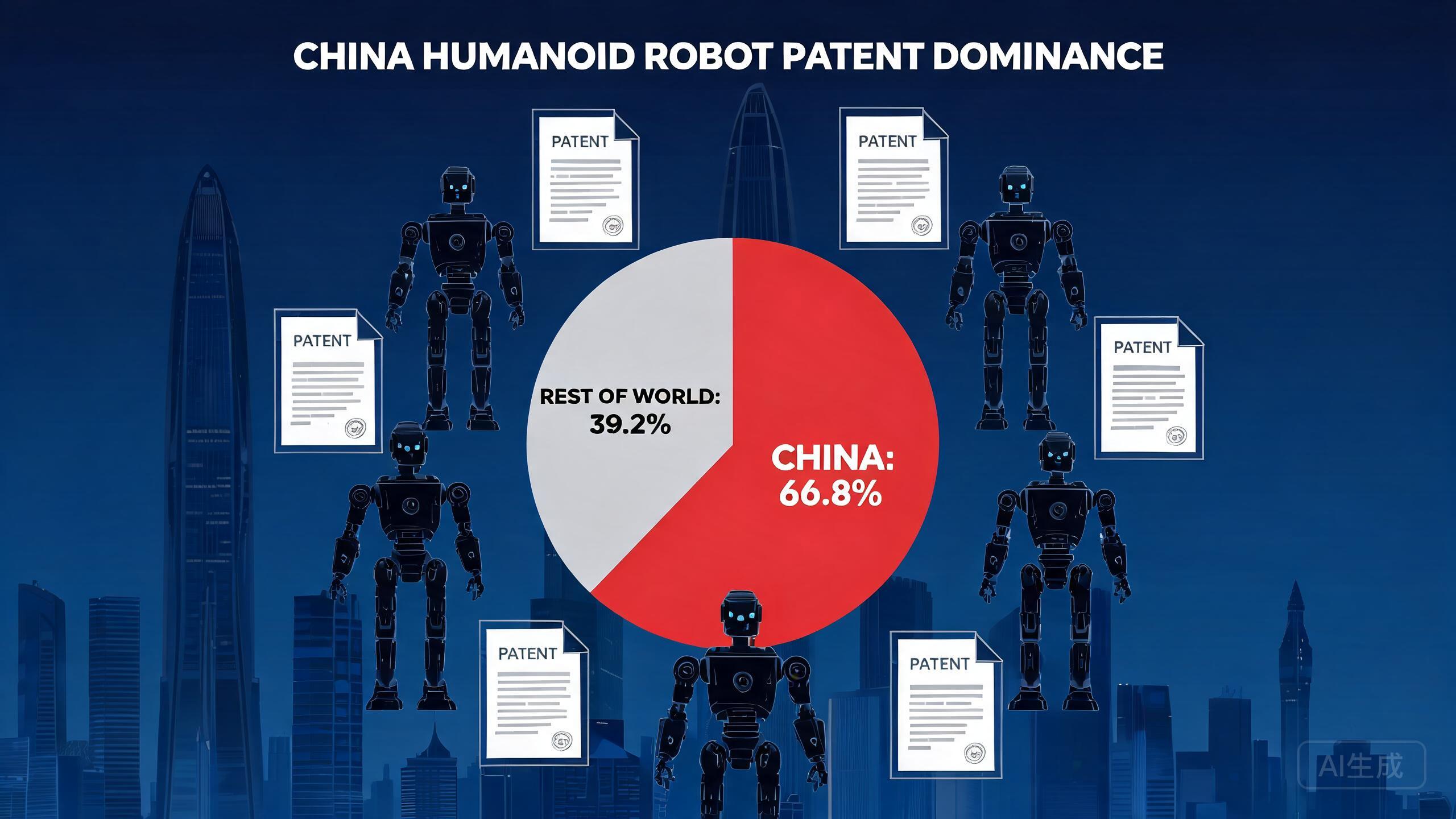
China Expands Humanoid Robot Patent Share to 60.8% of Global Total
On September 28, 2026, data from China's Ministry of Industry and Information Technology showed that Chinese institutions hold 60.8% of all global humanoid robot patents, up from 52% a year earlier. The country filed over 34,000 humanoid-related patents in 2025 alone. Industry analysts caution that volume does not equal quality — many patents are incremental design registrations rather than core technology breakthroughs — but the gap is narrowing fastest in actuation, sensing, and AI control systems.
 humanoid.guide
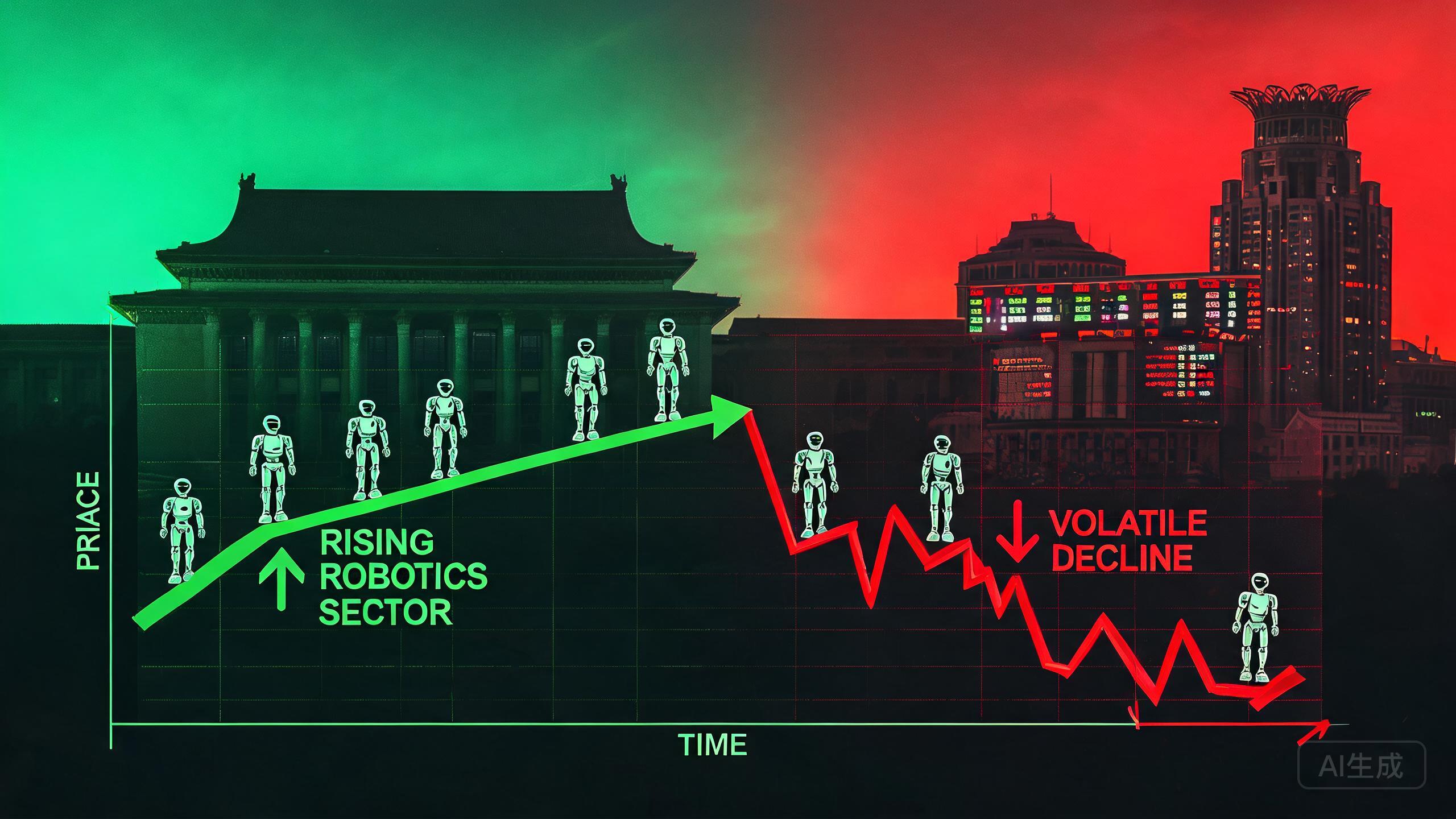
Chinese Regulators Slow Humanoid Robot IPOs After Unitree Stock Swing
In late September 2026, Chinese regulators began slowing the pace of humanoid robot company IPOs on the STAR Market after Unitree's stock experienced significant volatility following its record-breaking public debut. Regulators are scrutinizing valuations and revenue tied to local government-backed robotics projects. The move affects multiple humanoid startups in the IPO pipeline, potentially delaying their listing timelines.
 中国经济网 / Techiexpert
Unitree Achieves World's First Fully Autonomous Humanoid Combat with UnifoLM-X2
On September 7, 2026, Unitree Robotics demonstrated the world's first fully autonomous humanoid robot combat, powered by its UnifoLM-X2-1.0 world-action model. No human control, no teleoperation — the robot predicted opponent movements and planned counter-actions in real time. This marks a milestone in world-model-driven humanoid deployment, proving that real-time planning, decision-making, and dynamic interaction execution can work on physical hardware.