Unitree Achieves World's First Fully Autonomous Humanoid Combat with UnifoLM-X2
On September 7, 2026, Unitree Robotics demonstrated the world's first fully autonomous humanoid robot combat, powered by its UnifoLM-X2-1.0 world-action model. No human control, no teleoperation — the robot predicted opponent movements and planned counter-actions in real time. This marks a milestone in world-model-driven humanoid deployment, proving that real-time planning, decision-making, and dynamic interaction execution can work on physical hardware.

On September 7, 2026, Unitree Robotics published a video demonstrating what it claims is the world's first fully autonomous humanoid robot combat. Unlike previous robot fighting demonstrations that relied on remote control or pre-programmed routines, this bout was driven entirely by UnifoLM-X2-1.0, Unitree's new world-action foundation model.
UnifoLM-X2-1.0 breaks through key bottlenecks in instantaneous planning, decision-making, and dynamic interaction execution for world-action large models. The system enables the humanoid robot to predict opponent movements, plan counter-attacks, and execute dynamic interactions in real time — all without human intervention or teleoperation.
This is the first demonstration of a humanoid robot powered by a world model engaging in high-dynamic, strongly interactive combat. Unitree stated that the demo validates 'the fundamental feasibility of large-scale deployment of humanoid robots driven by world models.'
During the robot's IPO roadshow, Unitree had outlined its development roadmap from wheeled platforms to bipedal humanoids, and from remote-controlled to fully autonomous operation. The UnifoLM-X2-1.0 combat demo represents a critical proof point for that roadmap — showing that world-model-driven autonomy can handle even the most dynamic and unpredictable physical interactions.
The demonstration has drawn both excitement and concern. While technically impressive — real-time perception, prediction, and physical response in an adversarial setting — it also raises questions about the trajectory of autonomous combat capabilities in humanoid platforms. Unitree has framed the achievement as a general capability milestone rather than a military application, emphasizing its applicability to industrial and service scenarios where dynamic obstacle avoidance and real-time planning are equally critical.
This validates the fundamental feasibility of large-scale deployment of humanoid robots driven by world models.
— Unitree Robotics official statement
Related Robot
Unitree G1
Unitree Robotics
Related News
 央视网 / 双十一电商数据
China's Double-11 Robot Price War: First Humanoids Under ¥10,000 Hit Shelves as Makers Target Mass Market
China's November 11 shopping festival saw three humanoid robots priced under ¥30,000 ($4,150) for the first time, including Songyan Power's 'Little Bumi' at ¥9,999 — the first humanoid robot ever priced below ¥10,000. Unitree and Acceleration Evolution both launched ¥29,000 models. The aggressive pricing signals Chinese humanoid makers have entered a mass-market phase, targeting consumer and small-business buyers rather than just research labs and enterprise procurement.
 Humanoid.Guide / 工信部
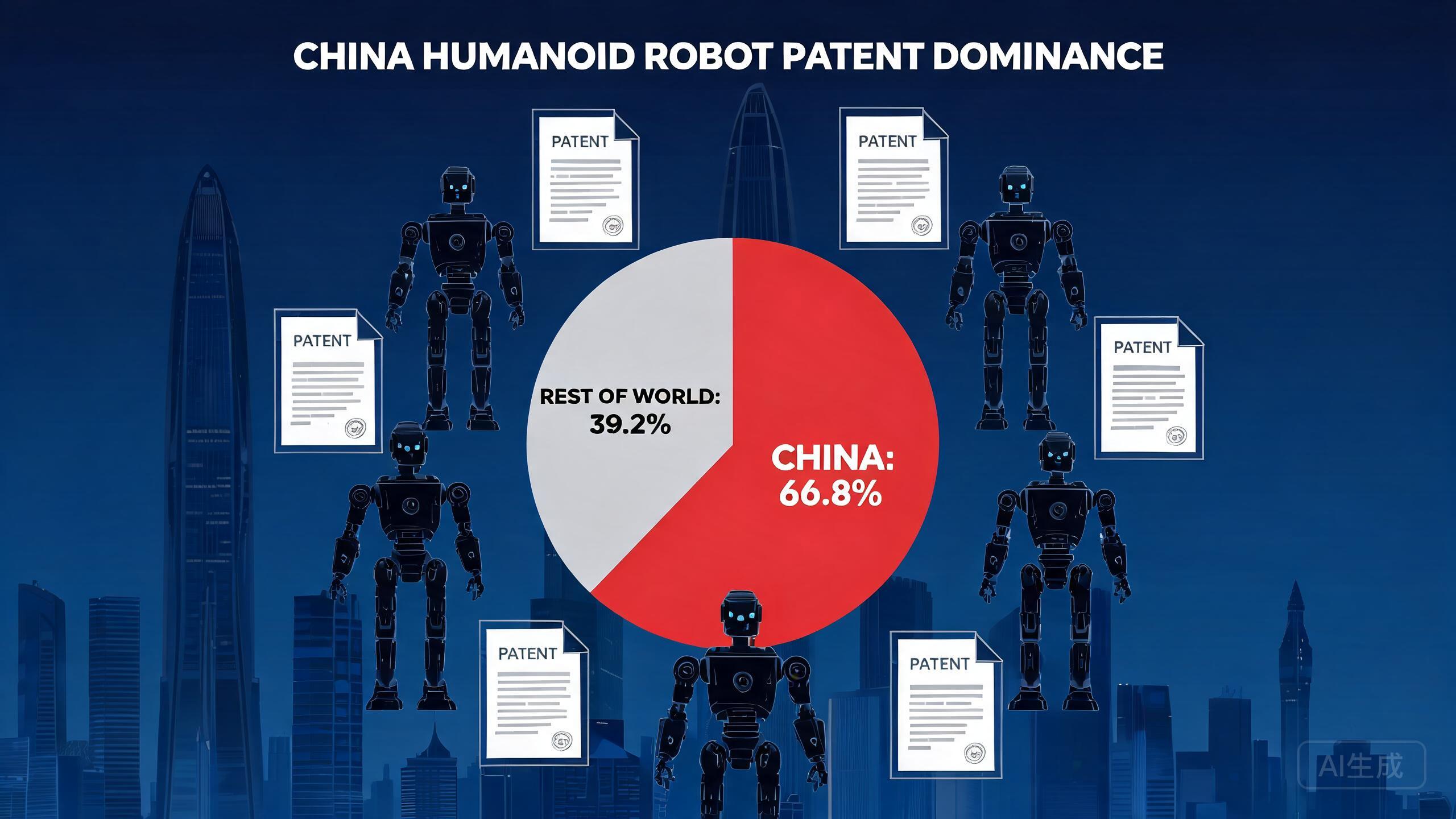
China Expands Humanoid Robot Patent Share to 60.8% of Global Total
On September 28, 2026, data from China's Ministry of Industry and Information Technology showed that Chinese institutions hold 60.8% of all global humanoid robot patents, up from 52% a year earlier. The country filed over 34,000 humanoid-related patents in 2025 alone. Industry analysts caution that volume does not equal quality — many patents are incremental design registrations rather than core technology breakthroughs — but the gap is narrowing fastest in actuation, sensing, and AI control systems.
 humanoid.guide
Chinese Regulators Slow Humanoid Robot IPOs After Unitree Stock Swing
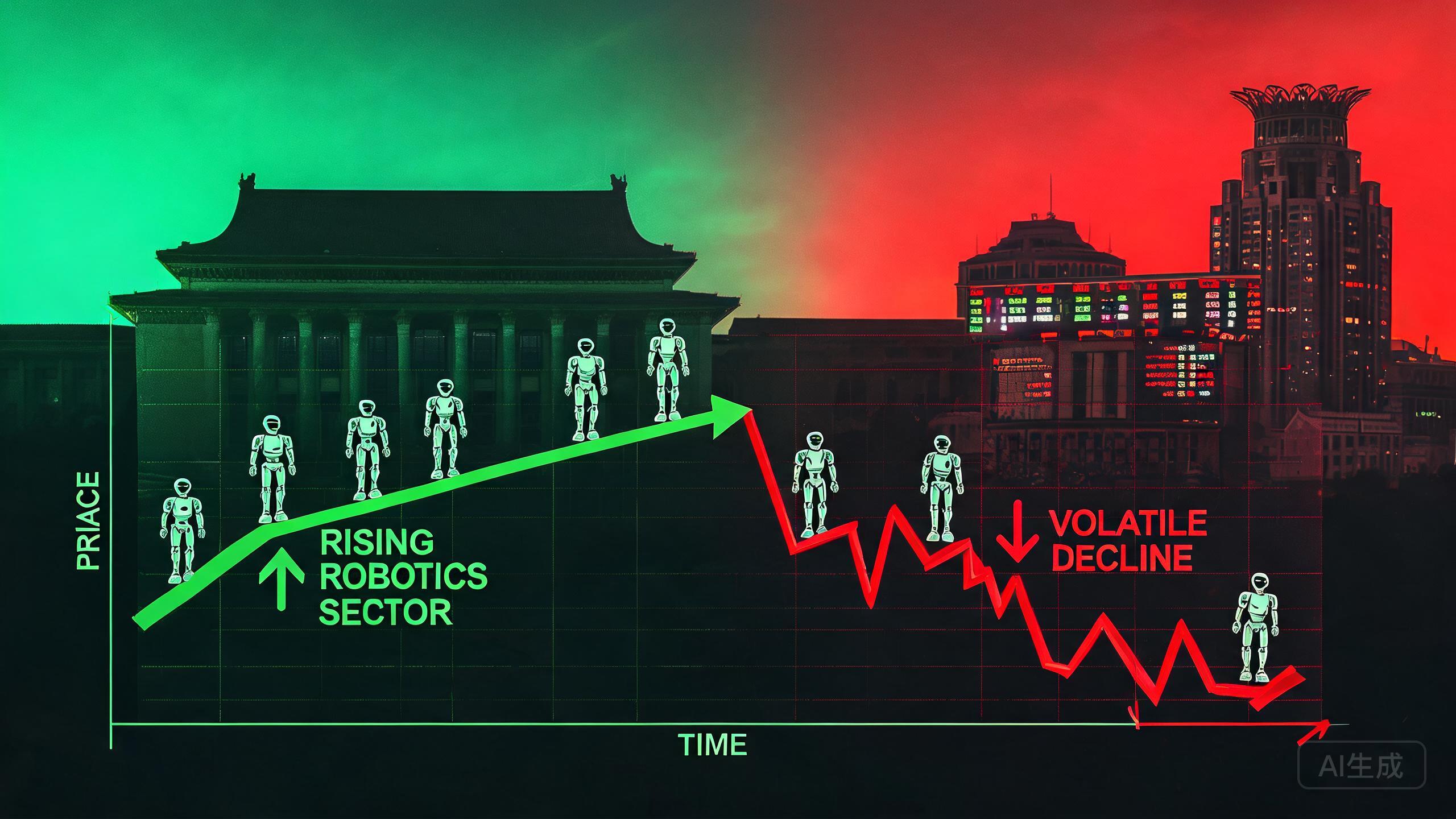
In late September 2026, Chinese regulators began slowing the pace of humanoid robot company IPOs on the STAR Market after Unitree's stock experienced significant volatility following its record-breaking public debut. Regulators are scrutinizing valuations and revenue tied to local government-backed robotics projects. The move affects multiple humanoid startups in the IPO pipeline, potentially delaying their listing timelines.