Singapore Trials Humanoid Robot 'Olly' at Little India MRT Station
Singapore's Land Transport Authority deployed a 1.27m humanoid robot named 'Olly' — developed by Unitree Robotics — at Little India MRT station for a two-week trial from August 31 to September 11, 2026. Olly answers passenger queries and guides commuters to exits, with mixed but encouraging results on direction accuracy and voice recognition in a noisy transit environment.
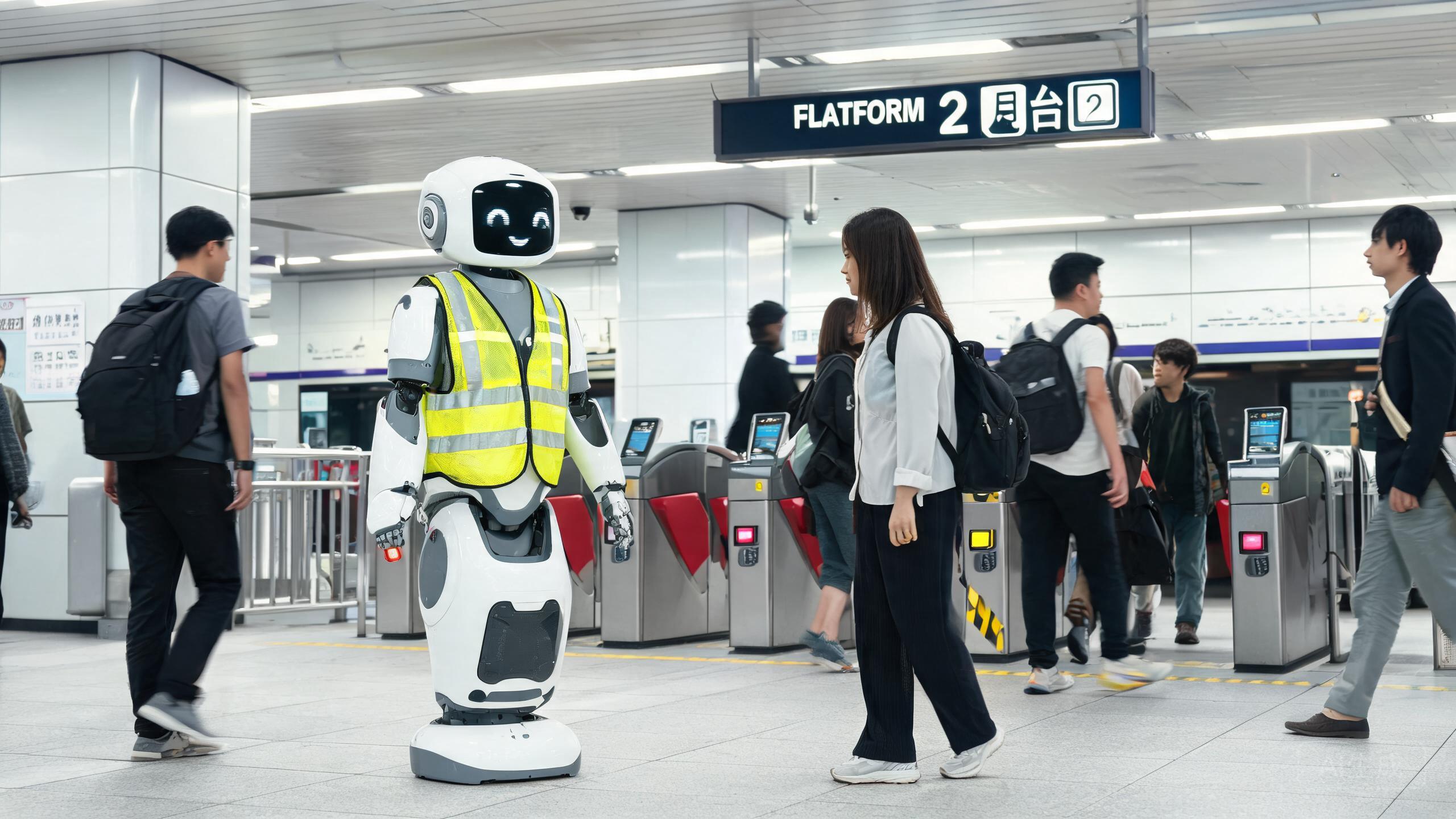
On August 31, 2026, Singapore's Land Transport Authority (LTA) deployed a humanoid robot named 'Olly' at Little India MRT station on the Downtown Line. Standing 1.27 meters tall in a high-visibility vest, Olly is being trialed as the authority's 'newest team member' to answer passenger queries and guide commuters to the correct exits.
The two-week trial runs from August 31 to September 11, on weekdays from 10 AM to noon — off-peak hours selected to evaluate how the robot performs in a live station and how the public reacts. Little India station was chosen for its proximity to LTA headquarters.
Olly was developed by Chinese robotics firm Unitree Robotics. It is supervised throughout the deployment by LTA staff. When a CNA journalist interacted with the robot, simple service questions like first and last train times were answered successfully. Harder queries yielded mixed results: asked for directions to Tekka Centre, the robot initially misheard it as 'Teacher's Centre' and gave wrong directions, but successfully guided the journalist to KK Women's and Children's Hospital via Exit F.
When asked to physically guide a passenger, Olly walked step by step at a leisurely pace toward the fare gates, announcing 'Please stand clear of the robot, thank you' when someone blocked its path. Unlike the humanoid robots that sprinted at blistering speeds during the World Humanoid Robot Games in China earlier in August, Olly's movement was deliberately gentle — a small crowd gathered and walked alongside it.
Retiree Steve Walker, 69, a visitor from the United States who had previously worked in robotics, made a special trip to see Olly. 'To be able to see a robot balance and walk in real time, with no wobbliness, I've been really impressed with that,' he said, though he noted the robot struggled to filter background noise. LTA stated there is no immediate plan for permanent deployment, describing the trial as exploratory.
To be able to see a robot balance and walk in real time, with no wobbliness, I've been really impressed with that.
— Steve Walker, US visitor and former robotics professional
Related Robot
Unitree G1
Unitree Robotics
Related News
 央视网 / 双十一电商数据
China's Double-11 Robot Price War: First Humanoids Under ¥10,000 Hit Shelves as Makers Target Mass Market
China's November 11 shopping festival saw three humanoid robots priced under ¥30,000 ($4,150) for the first time, including Songyan Power's 'Little Bumi' at ¥9,999 — the first humanoid robot ever priced below ¥10,000. Unitree and Acceleration Evolution both launched ¥29,000 models. The aggressive pricing signals Chinese humanoid makers have entered a mass-market phase, targeting consumer and small-business buyers rather than just research labs and enterprise procurement.
 Humanoid.Guide / 工信部
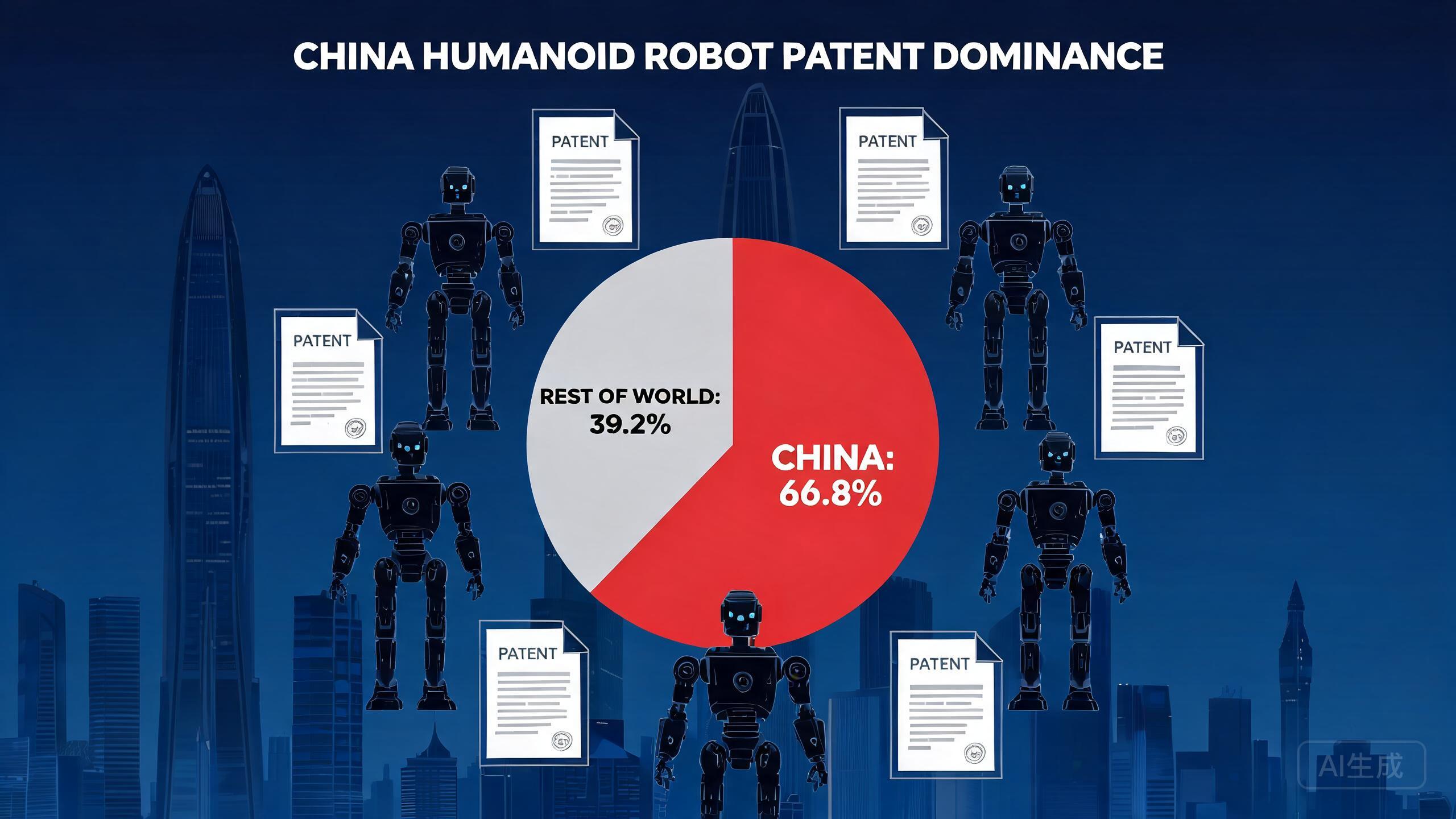
China Expands Humanoid Robot Patent Share to 60.8% of Global Total
On September 28, 2026, data from China's Ministry of Industry and Information Technology showed that Chinese institutions hold 60.8% of all global humanoid robot patents, up from 52% a year earlier. The country filed over 34,000 humanoid-related patents in 2025 alone. Industry analysts caution that volume does not equal quality — many patents are incremental design registrations rather than core technology breakthroughs — but the gap is narrowing fastest in actuation, sensing, and AI control systems.
 humanoid.guide
Chinese Regulators Slow Humanoid Robot IPOs After Unitree Stock Swing
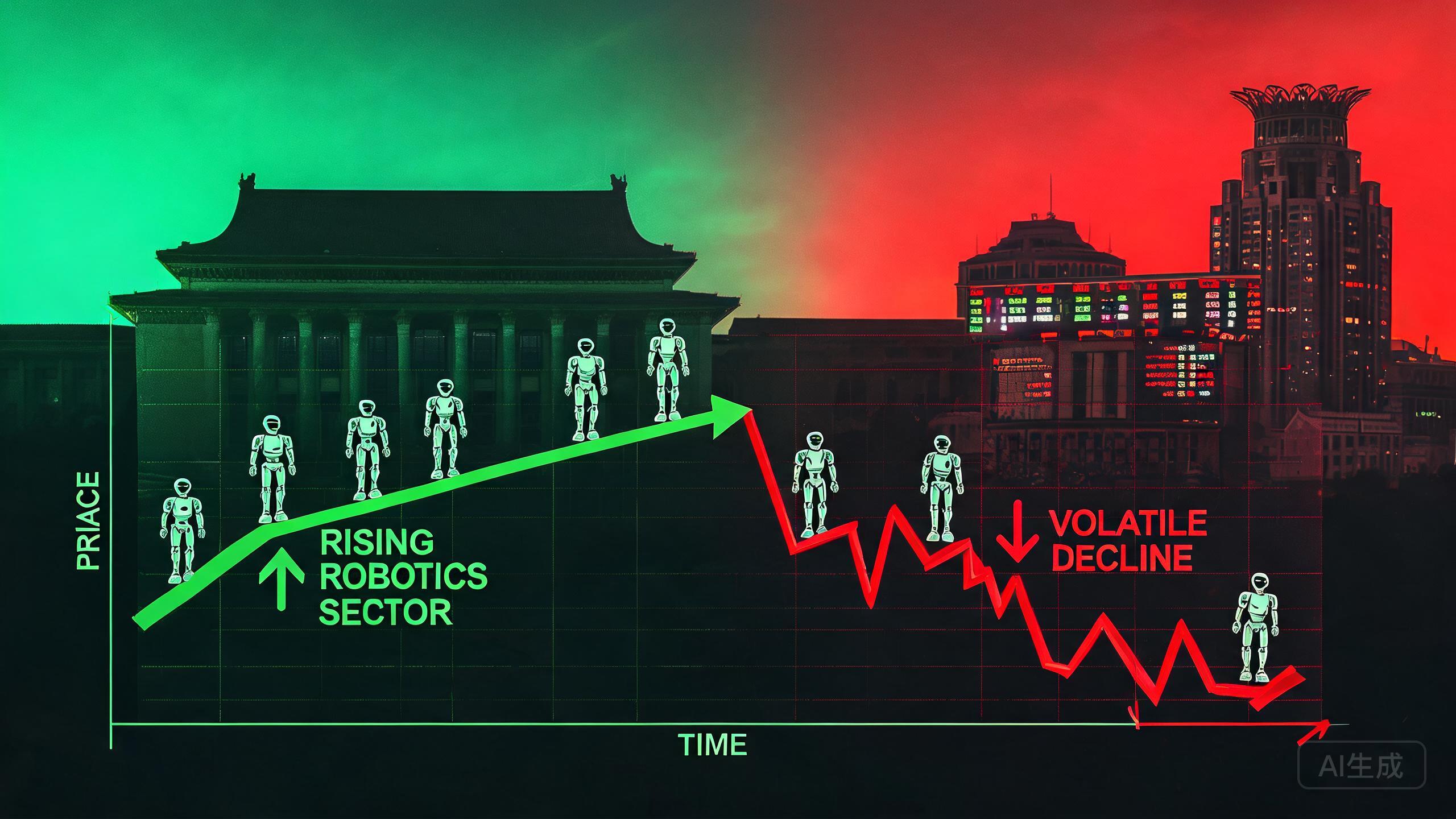
In late September 2026, Chinese regulators began slowing the pace of humanoid robot company IPOs on the STAR Market after Unitree's stock experienced significant volatility following its record-breaking public debut. Regulators are scrutinizing valuations and revenue tied to local government-backed robotics projects. The move affects multiple humanoid startups in the IPO pipeline, potentially delaying their listing timelines.