IFA Berlin Stages First Robot Catwalk in 102-Year History
On September 5, 2026, IFA Berlin staged 'Robots on the Runway' — the first robot fashion catwalk in the show's 102-year history. Eleven humanoid robotics exhibitors including Unitree, AgiBot, DEEP Robotics, EngineAI and AiMOGA walked a purpose-built T-stage at the Creator Stage. Chinese firms accounted for 932 of IFA's 1,900+ exhibiting brands, nearly half the show, marking physical AI as the headline act.
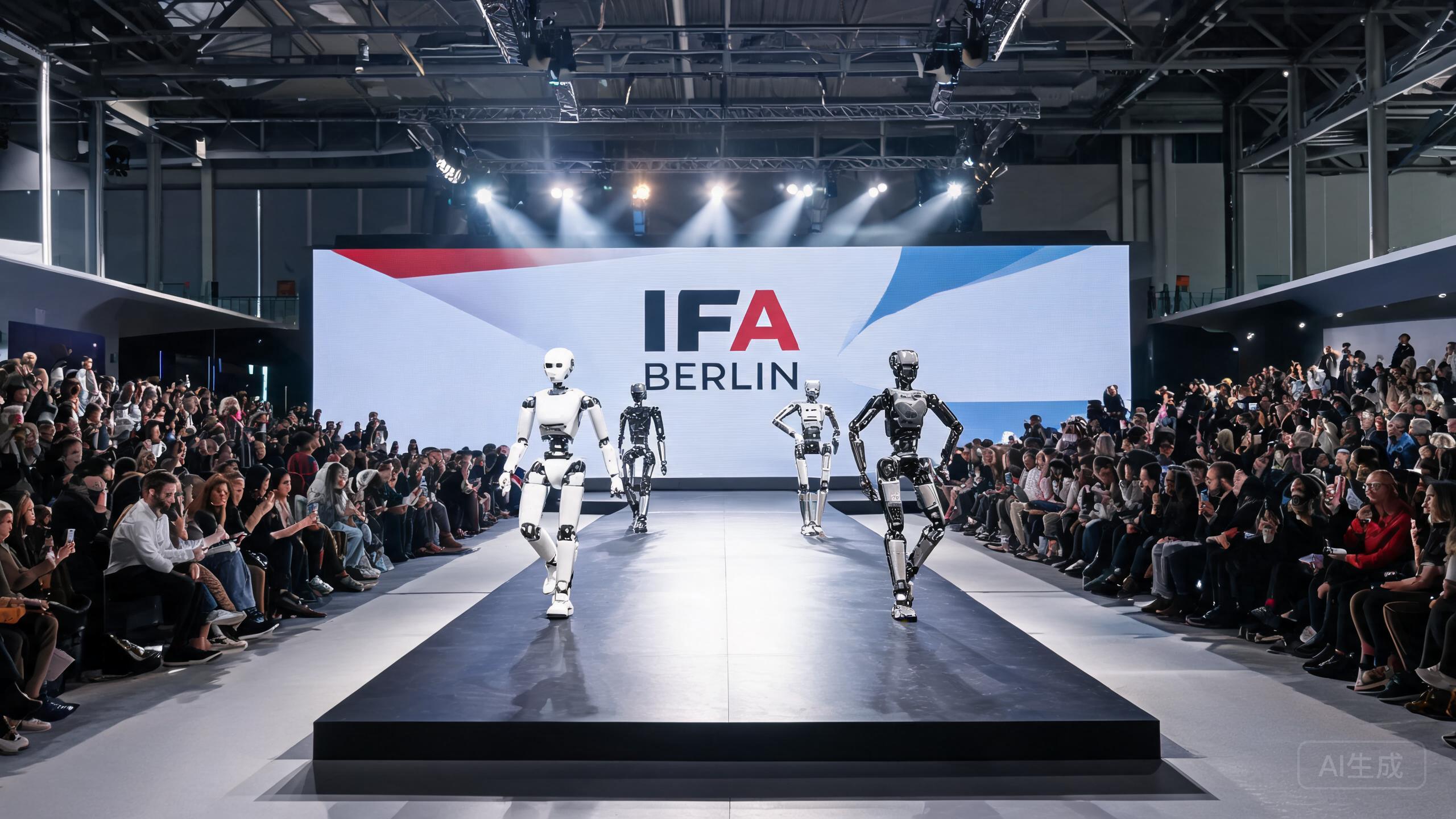
On September 5, 2026, at 12:45 PM, IFA Berlin staged 'Robots on the Runway' — the first robot fashion catwalk in the exhibition's 102-year history. On a purpose-built T-stage at the Creator Stage in Messe Berlin's Palais am Funkturm, humanoid robots walked, posed, danced, and turned backflips in front of a live public audience. No human models were involved.
Eleven robotics exhibitors were on the bill: Primebot Robots, EngineAI, Cozio Robotics, Dobot Robot, DEEP Robotics, AgiBot, Unitree, ZBy – Mind with Heart, Ollobot, Astrall Dynamics and AiMOGA. Nine of the eleven names on the runway were Chinese, reflecting a structural shift in the industry's center of gravity.
The scale of the Chinese contingent was the story underneath the choreography. Chinese firms accounted for 932 of IFA 2026's 1,900-plus exhibiting brands — close to half the show and roughly 200 more than a year ago. IFA Management CEO Leif Lindner attributed this to supply chain integration: 'When design, engineering, production and testing are all happening within the same ecosystem, ideas naturally move from prototype to product much faster.'
Morgan Stanley twice raised its 2026 China humanoid shipment forecast — from 14,000 units in January to 50,000 in June — and projects 446,000 annual units by 2030. Bank of America projected 90,000 global shipments in 2026. Goldman Sachs put the 2035 humanoid TAM at $38 billion on 1.4 million units, a sixfold upward revision of an earlier estimate.
NEURA Robotics, which announced a Series C of up to $1.4 billion in June 2026, keynoted the Innovation Stage two doors down. The governance gap between the US and EU was stark: the FCC placed Unitree on its Covered List in July 2026, while Europe has no equivalent import restriction, meaning the same hardware can be procured freely inside the EU.
When design, engineering, production and testing are all happening within the same ecosystem, ideas naturally move from prototype to product much faster.
— Leif Lindner, CEO, IFA Management
Related Robot
Unitree G1
Unitree Robotics
Related News
 央视网 / 双十一电商数据
China's Double-11 Robot Price War: First Humanoids Under ¥10,000 Hit Shelves as Makers Target Mass Market
China's November 11 shopping festival saw three humanoid robots priced under ¥30,000 ($4,150) for the first time, including Songyan Power's 'Little Bumi' at ¥9,999 — the first humanoid robot ever priced below ¥10,000. Unitree and Acceleration Evolution both launched ¥29,000 models. The aggressive pricing signals Chinese humanoid makers have entered a mass-market phase, targeting consumer and small-business buyers rather than just research labs and enterprise procurement.
 Humanoid.Guide / 工信部
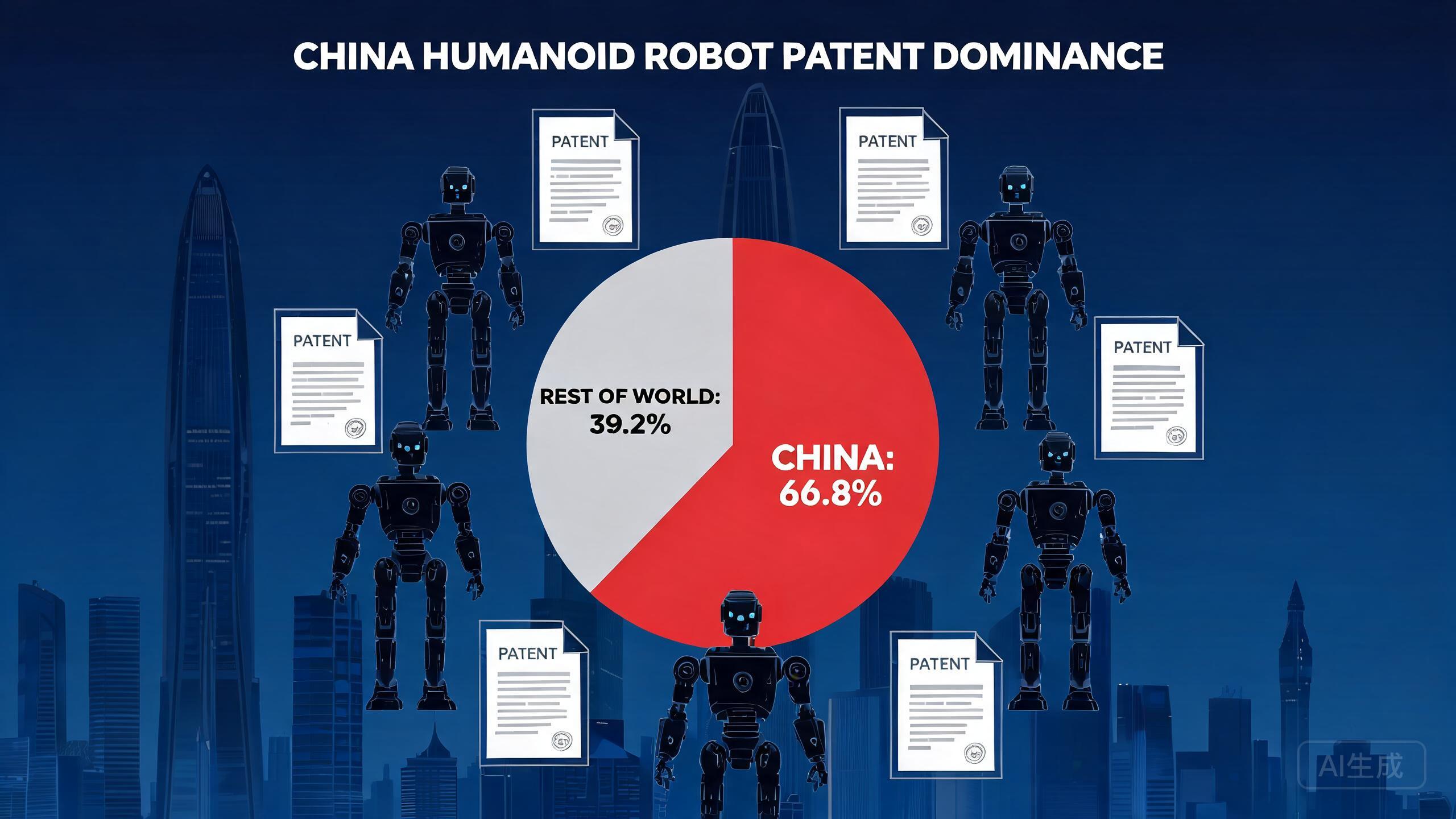
China Expands Humanoid Robot Patent Share to 60.8% of Global Total
On September 28, 2026, data from China's Ministry of Industry and Information Technology showed that Chinese institutions hold 60.8% of all global humanoid robot patents, up from 52% a year earlier. The country filed over 34,000 humanoid-related patents in 2025 alone. Industry analysts caution that volume does not equal quality — many patents are incremental design registrations rather than core technology breakthroughs — but the gap is narrowing fastest in actuation, sensing, and AI control systems.
 humanoid.guide
Chinese Regulators Slow Humanoid Robot IPOs After Unitree Stock Swing
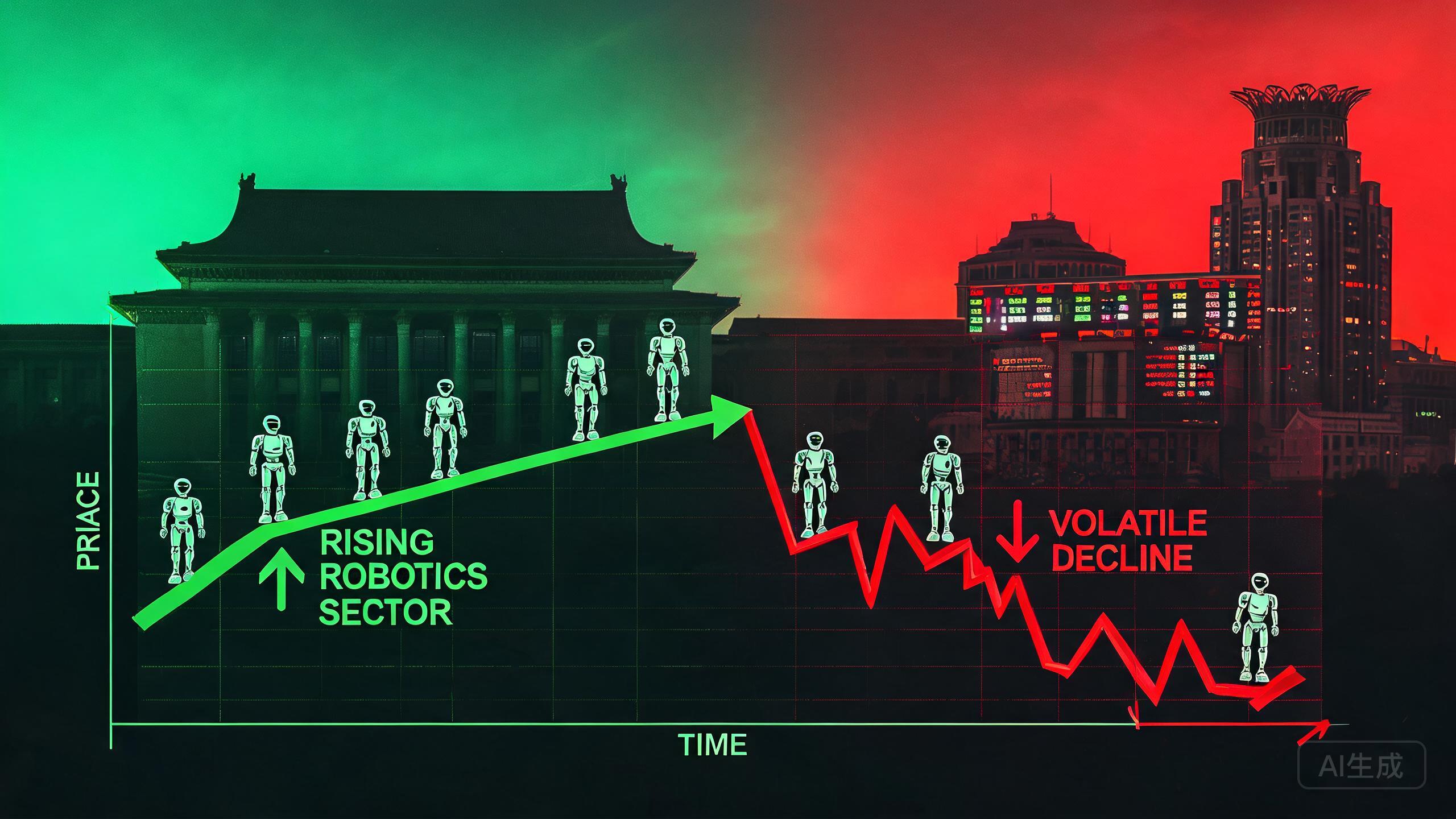
In late September 2026, Chinese regulators began slowing the pace of humanoid robot company IPOs on the STAR Market after Unitree's stock experienced significant volatility following its record-breaking public debut. Regulators are scrutinizing valuations and revenue tied to local government-backed robotics projects. The move affects multiple humanoid startups in the IPO pipeline, potentially delaying their listing timelines.