Tesla Launches Optimus Production Lines: V3 in Fremont, V4 Target 10M Units in Texas
Tesla officially launched Optimus humanoid robot production line deployment in August 2026. The Fremont factory's V3 line — converted from a former Model S/X line in 46 days — will produce robots working alongside humans on Model 3/Y assembly. A dedicated V4 factory in Texas targets 10 million units annual capacity, with a $20,000 target price point.
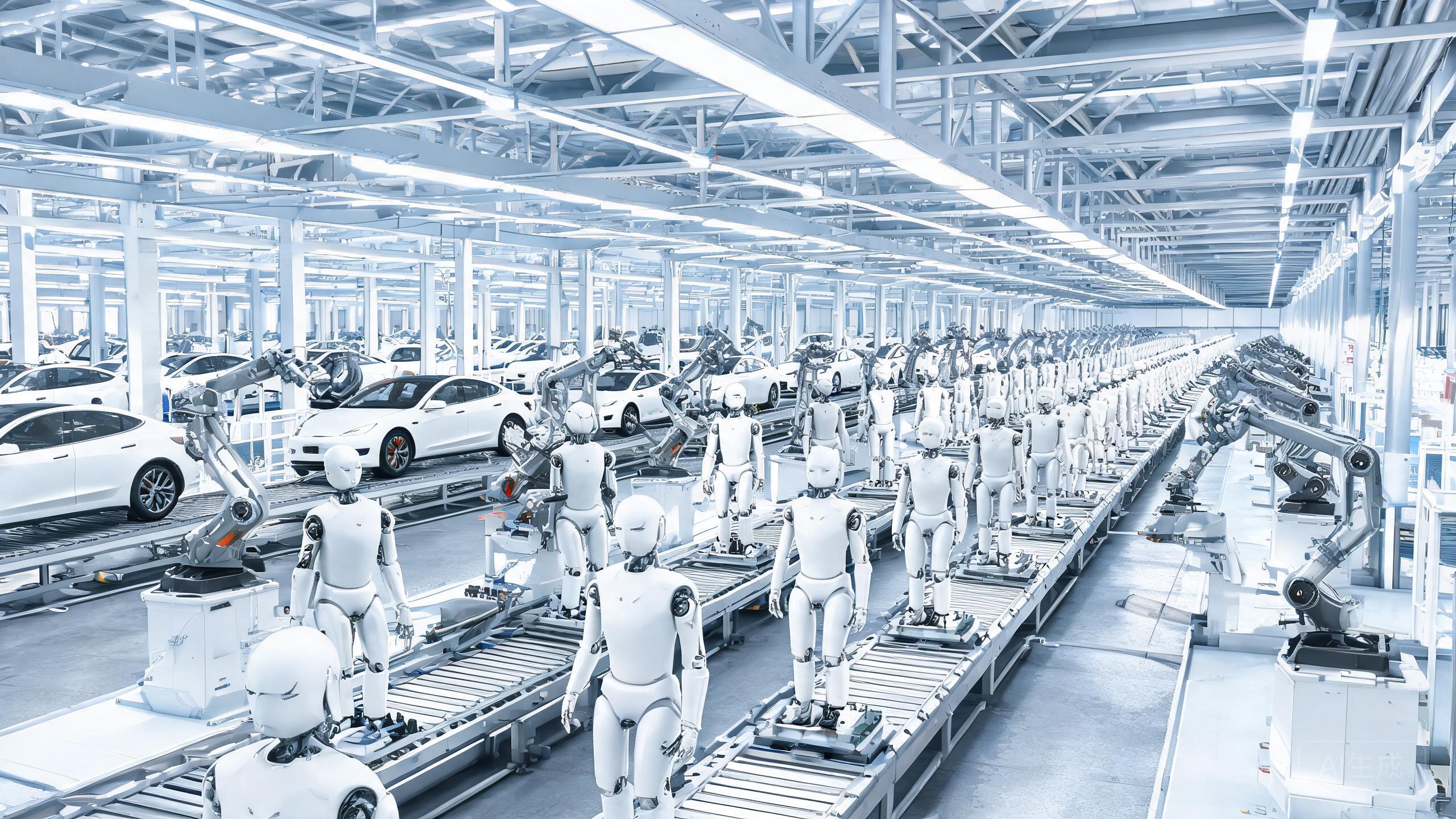
Tesla officially commenced Optimus humanoid robot production line deployment in August 2026, executing a dual-line strategy: V3 production at the Fremont factory and V4 preparation at the Texas Gigafactory.
At Fremont, the former Model S/X assembly line was dismantled and rebuilt as a dedicated Optimus V3 production line in just 46 days. Q3 2026 marks the start of V3 production, with robots being gradually assigned to the still-operational Model 3/Y assembly lines to replace human workers in assembly, material handling, and quality inspection tasks. The Fremont line targets an annual capacity of 1 million units.
The V3 production cost is approximately 50% lower than the previous generation, with a target retail price of about $20,000. This price point is considered transformative: at $20,000, the purchasing decision for factories shifts from 'should we try it?' to 'how much money does this save?'
At the Texas Gigafactory, Tesla is constructing a purpose-built V4 factory — not a converted auto line but a facility designed from the ground up for robot manufacturing. Ground was broken in May 2026, adding over 5.2 million square feet of industrial space. The long-term annual capacity target is 10 million units, with V4 mass production expected to begin in summer 2027.
The dual-line strategy creates a closed loop: V3 robots working on Fremont's auto assembly lines generate real-world operational data that feeds directly into V4 production line design. When V4 capacity comes online, more robots enter more production lines, generating more data. Tesla is applying automotive manufacturing logic to robots — using cars to build robots, then using robots to build more robots.
Tesla is not just building robots — it is applying automotive manufacturing logic to robotics.
— IT BOLTWISE Analysis
Related Robot
Optimus
Tesla
Related News
 Tesla
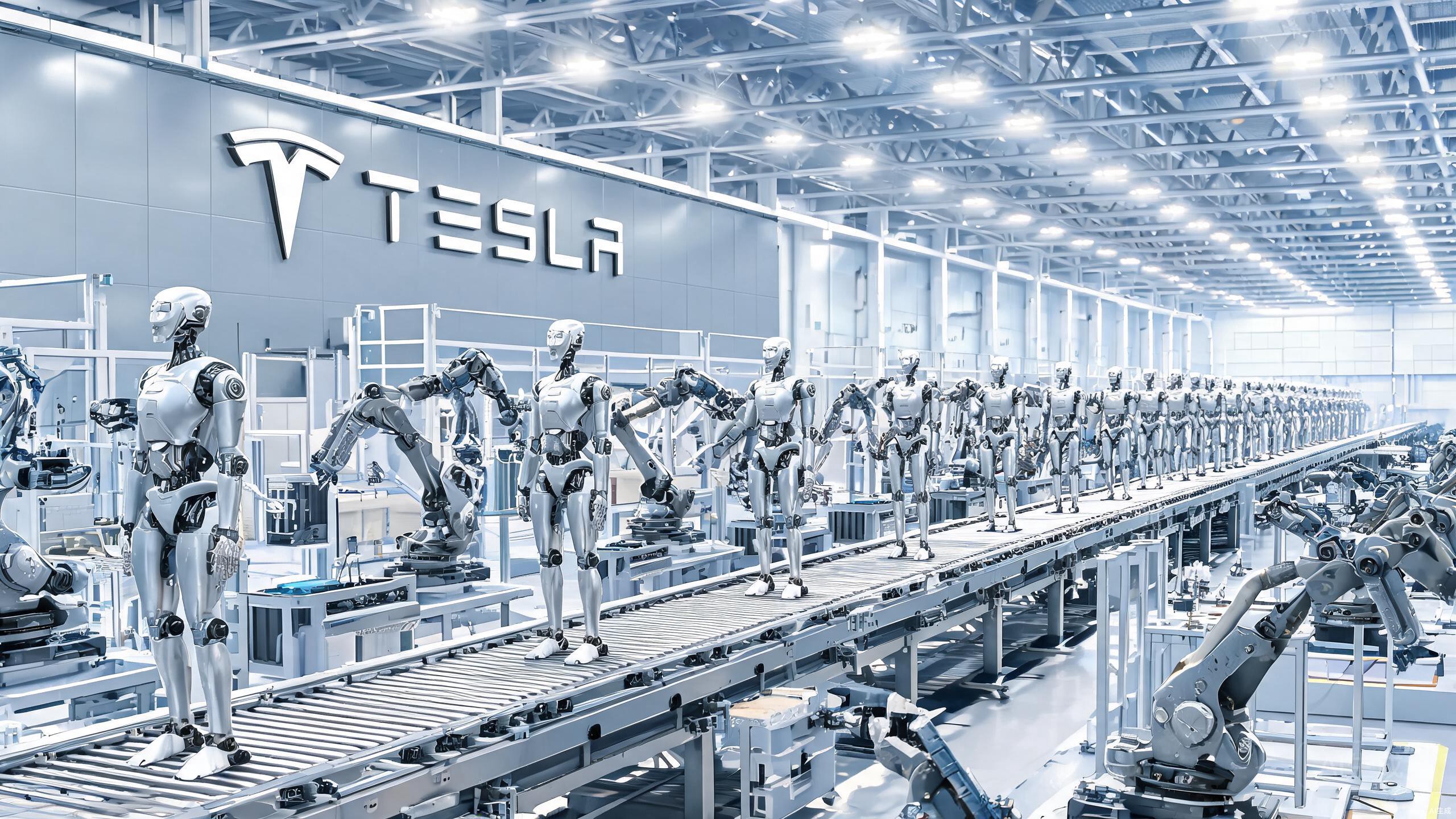
TeslaTesla Activates Optimus Gen-3 Production Line, Targets 1 Million Units Annually
Tesla has officially activated its Optimus Gen-3 mass production line at Gigafactory Texas, with Elon Musk announcing an ambitious target of 1 million units per year by 2028 — a scale that would fundamentally transform the economics of humanoid robotics if achieved.
 36Kr / AI-Damn
Sam Altman Confirms OpenAI Will Build Its Own Humanoid Robots
On September 2, 2026, OpenAI CEO Sam Altman confirmed in the 'Sources' podcast that OpenAI will develop humanoid robots and other robotic forms using a full-stack, in-house approach. The OpenAI Robotics team, led by Aditya Ramesh, is hiring actuator engineers for custom hardware. A separate hardware device designed by Jony Ive is expected in 2027, while Apple has sued OpenAI over alleged trade secret theft.
 Elon Musk / X
Tesla Optimus Demonstrates AI-Driven Kung Fu Combat in Musk Video
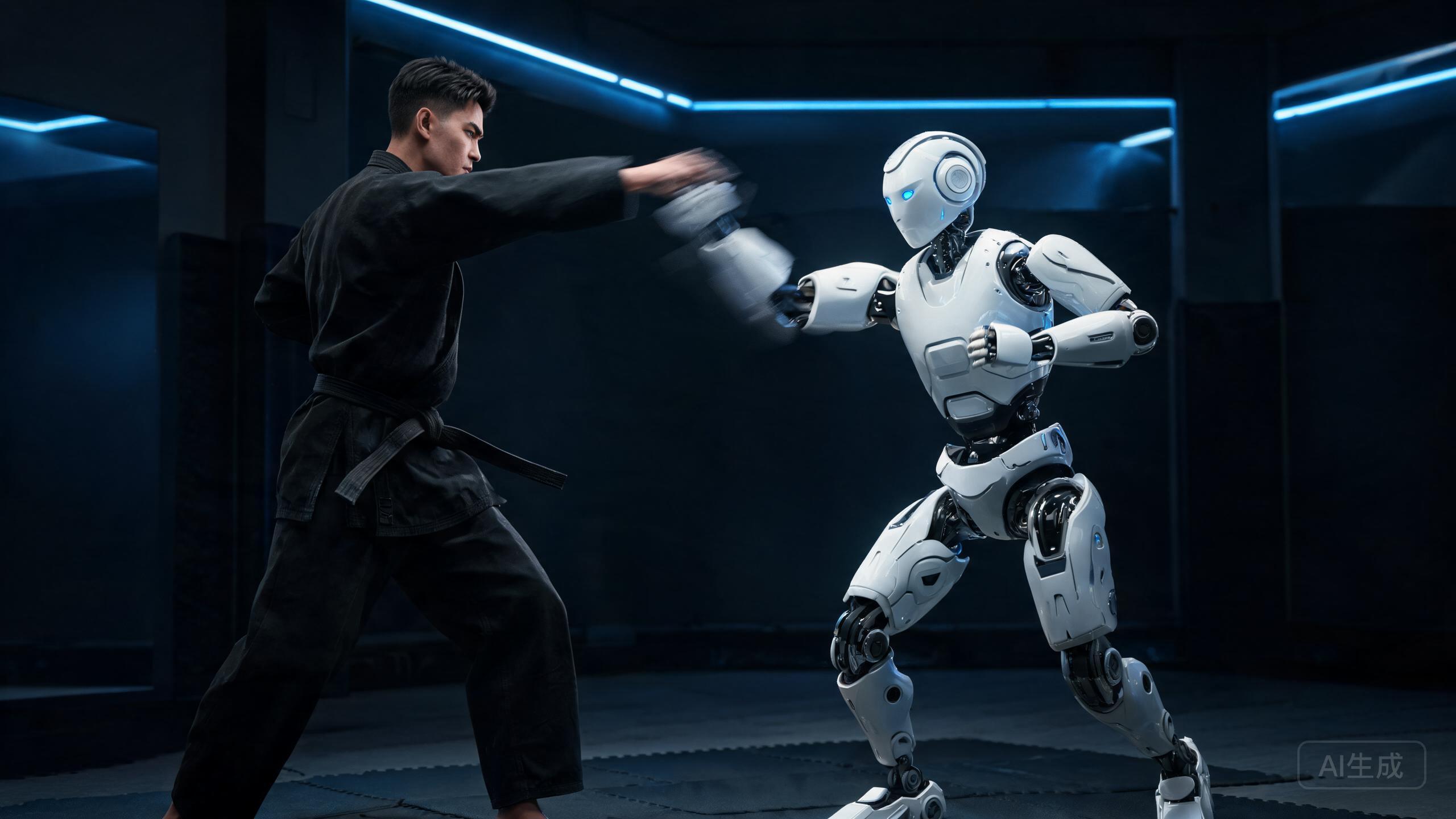
Elon Musk posted a video on X showing Tesla's Optimus humanoid robot performing martial arts exchanges with a human coach — dodging, blocking, and counterattacking with fluid limb coordination. Musk confirmed the movements were entirely AI-autonomous, not remote-controlled, signaling a leap in real-time reactive motion intelligence.