Tesla Activates Optimus Gen-3 Production Line, Targets 1 Million Units Annually
Tesla has officially activated its Optimus Gen-3 mass production line at Gigafactory Texas, with Elon Musk announcing an ambitious target of 1 million units per year by 2028 — a scale that would fundamentally transform the economics of humanoid robotics if achieved.
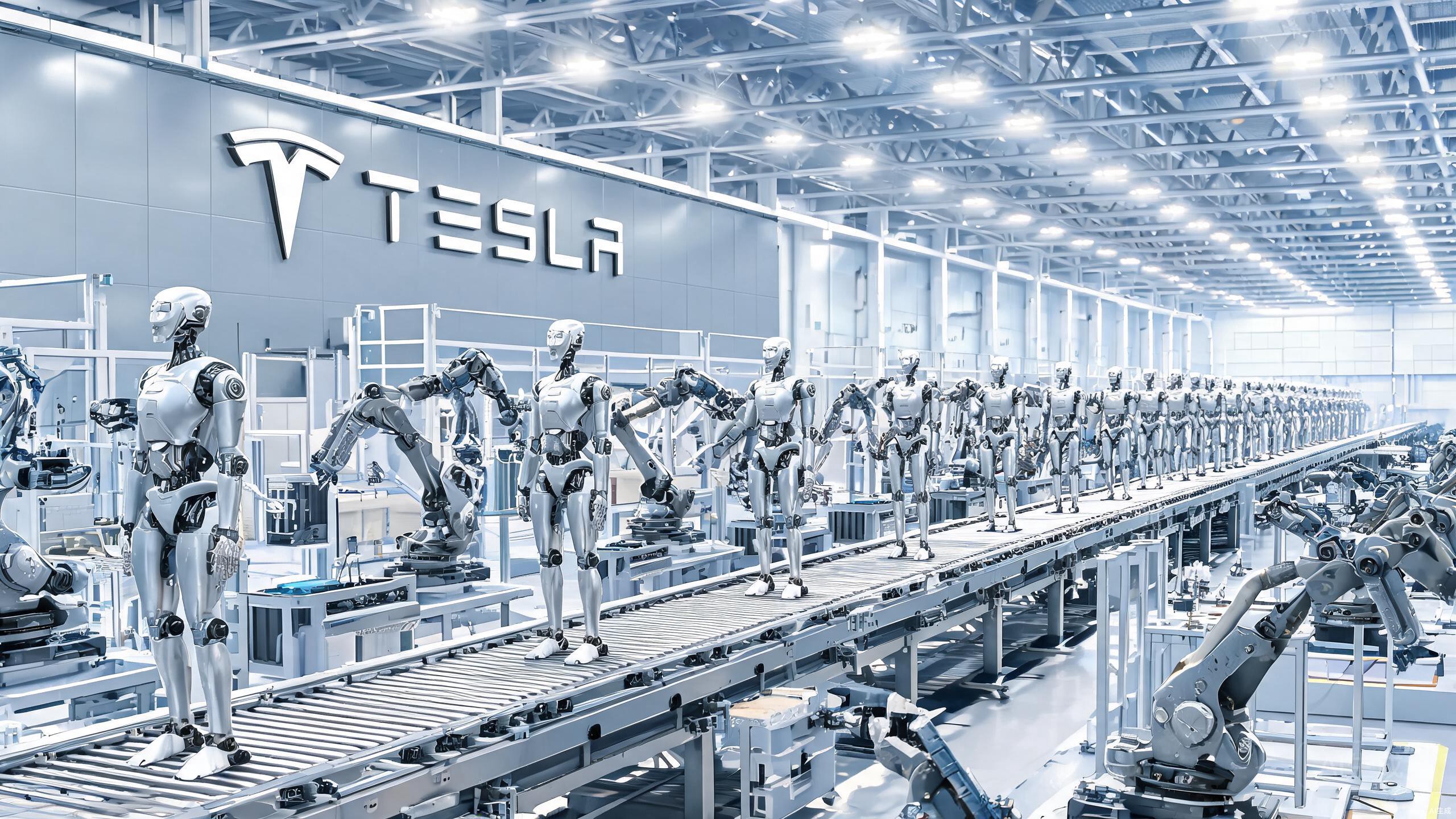
Tesla has officially activated the Optimus Gen-3 mass production line at its Gigafactory Texas facility, Elon Musk announced at a factory tour event on September 15, 2026. The production line — which Tesla has been quietly building for over 18 months — is designed with an initial capacity of 100,000 units per year, scaling to 500,000 by 2027 and an ambitious 1 million units annually by 2028, a target Musk described as 'hard but achievable.'
The Optimus Gen-3 represents a significant redesign over the Gen-2 that was demonstrated in 2024. Key upgrades include: custom-designed 'Tesla Drive' actuators that reduce cost by 40% compared to Gen-2 while increasing torque density; a redesigned hand with 22 degrees of freedom and integrated tactile sensors across all fingertips; an upgraded onboard AI compute system based on Tesla's FSD HW5 chip delivering 72 TOPS of AI inference; and a structural battery pack integrated into the robot's torso that extends runtime to 8 hours of continuous operation.
Musk revealed that the Gen-3's target manufacturing cost has dropped to approximately $20,000 per unit at full scale — a figure that would make the Optimus cheaper than many industrial robot arms while offering general-purpose manipulation. At that price point, Musk projected, a robot performing warehouse or factory work could generate $50,000-$100,000 in annual labor-value, yielding a payback period of under 6 months. Tesla plans to sell Optimus to external customers starting in 2027 at a retail price of $30,000.
The first batch of Gen-3 robots — approximately 500 units — will be deployed internally across Tesla's own operations, including battery cell handling at the 4680 cell production line, general material transport, and quality inspection tasks. Musk shared internal data showing that Gen-2 Optimus units deployed in pilot mode at Gigafactory Texas had achieved a 98.7% task success rate for repetitive material handling over a 3-month evaluation period, meeting Tesla's threshold for production-line deployment.
Industry analysts remain divided on the feasibility of the 1-million-unit target. Critics note that Tesla has a history of aggressive timelines — the Cybertruck was delayed by over two years — and that scaling humanoid robot production involves challenges far beyond automotive manufacturing, particularly in actuator yield, dexterous hand reliability, and AI software robustness. Supporters counter that Tesla's vertical integration, manufacturing expertise, and existing gigafactory infrastructure give it structural advantages no other humanoid robotics company can match. Musk closed by stating: 'People who doubt this are making the same mistake as those who doubted Model 3 production in 2018. We've done this before.'
People who doubt this are making the same mistake as those who doubted Model 3 production in 2018. We've done this before.
— Elon Musk, CEO of Tesla
Related Robot
Optimus
Tesla
Related News
 36Kr / AI-Damn
Sam Altman Confirms OpenAI Will Build Its Own Humanoid Robots
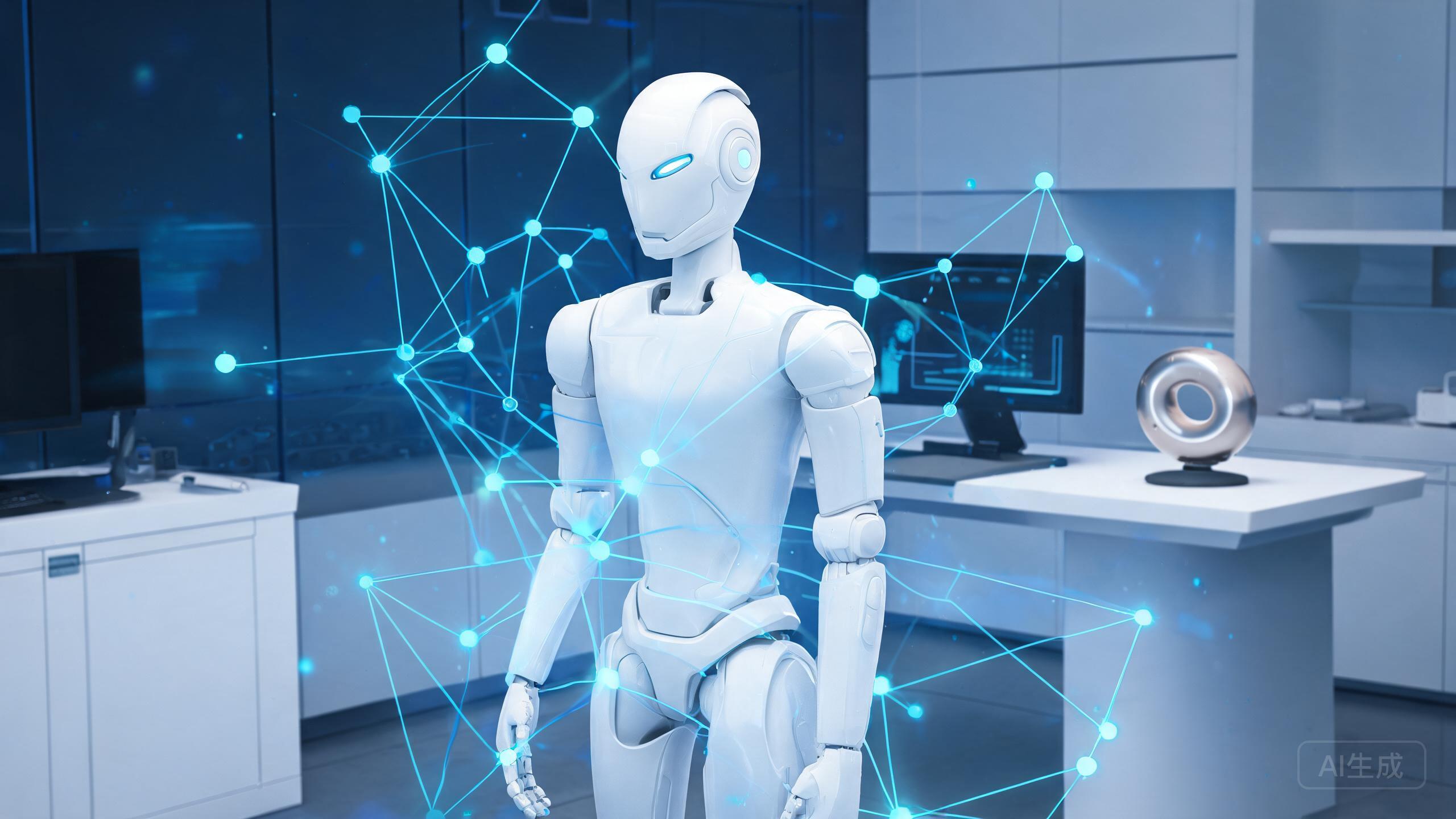
On September 2, 2026, OpenAI CEO Sam Altman confirmed in the 'Sources' podcast that OpenAI will develop humanoid robots and other robotic forms using a full-stack, in-house approach. The OpenAI Robotics team, led by Aditya Ramesh, is hiring actuator engineers for custom hardware. A separate hardware device designed by Jony Ive is expected in 2027, while Apple has sued OpenAI over alleged trade secret theft.
 Elon Musk / X
Tesla Optimus Demonstrates AI-Driven Kung Fu Combat in Musk Video
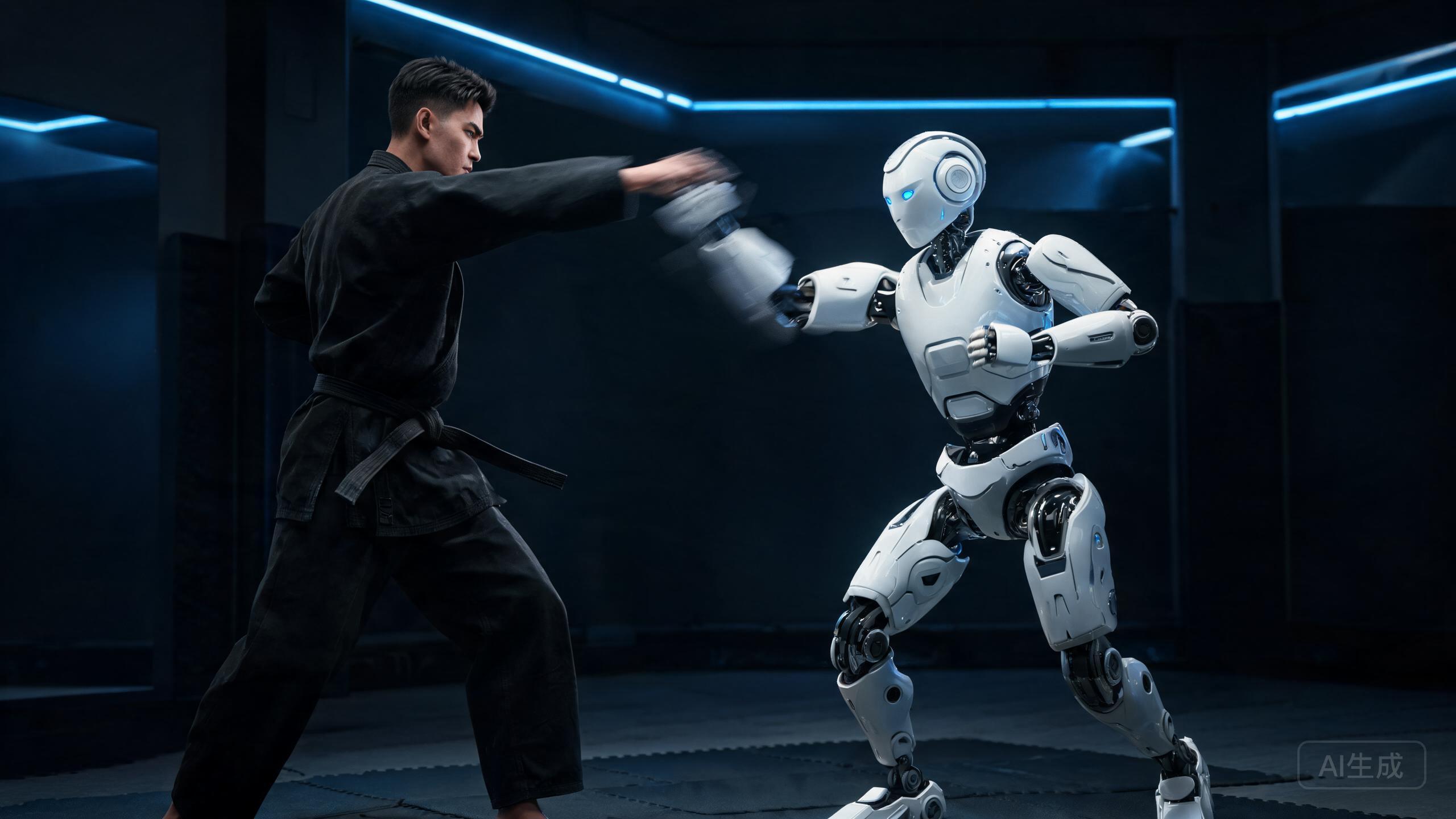
Elon Musk posted a video on X showing Tesla's Optimus humanoid robot performing martial arts exchanges with a human coach — dodging, blocking, and counterattacking with fluid limb coordination. Musk confirmed the movements were entirely AI-autonomous, not remote-controlled, signaling a leap in real-time reactive motion intelligence.
 IT BOLTWISE / Tesla
Tesla Launches Optimus Production Lines: V3 in Fremont, V4 Target 10M Units in Texas
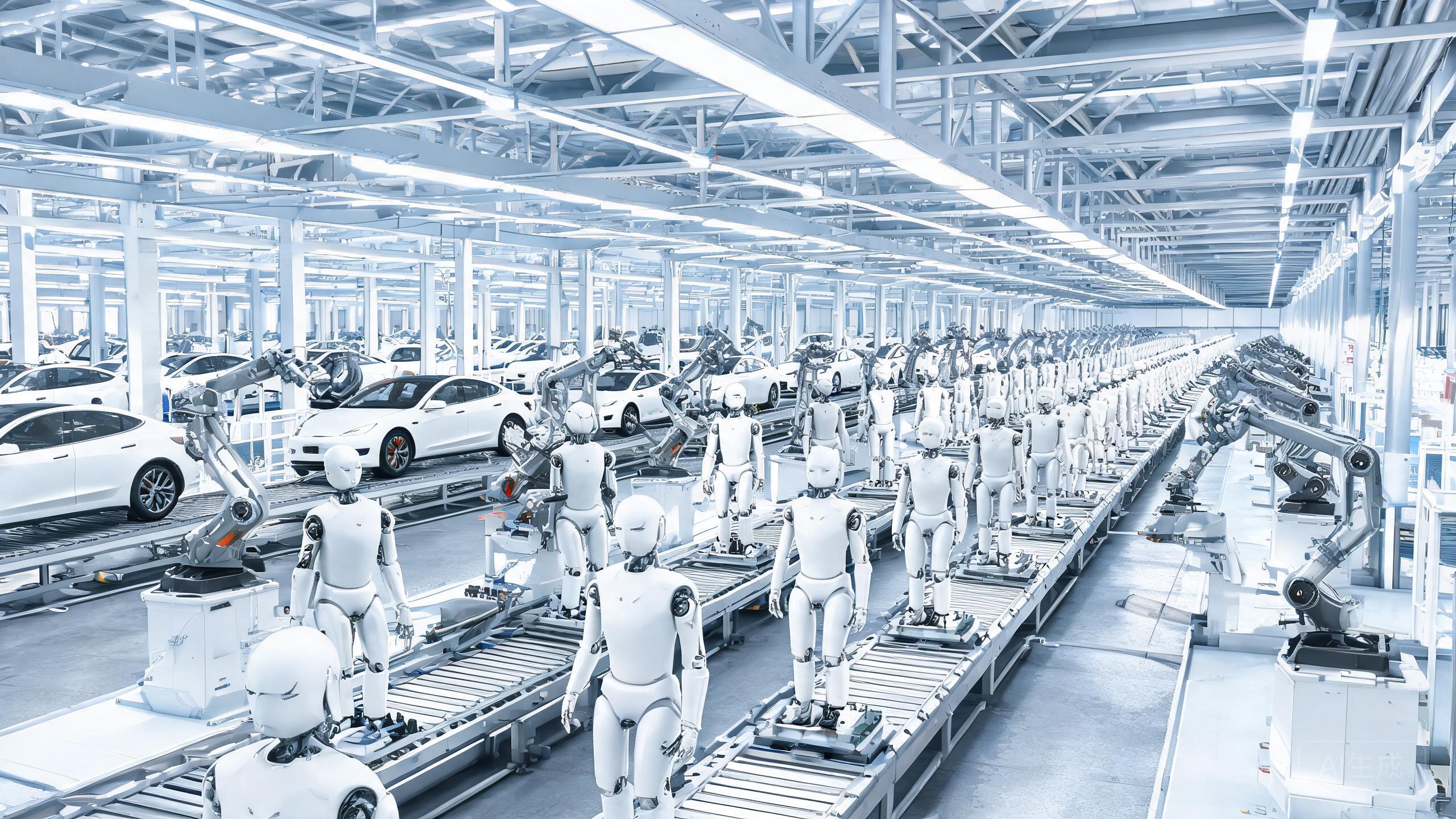
Tesla officially launched Optimus humanoid robot production line deployment in August 2026. The Fremont factory's V3 line — converted from a former Model S/X line in 46 days — will produce robots working alongside humans on Model 3/Y assembly. A dedicated V4 factory in Texas targets 10 million units annual capacity, with a $20,000 target price point.