Sam Altman Confirms OpenAI Will Build Its Own Humanoid Robots
On September 2, 2026, OpenAI CEO Sam Altman confirmed in the 'Sources' podcast that OpenAI will develop humanoid robots and other robotic forms using a full-stack, in-house approach. The OpenAI Robotics team, led by Aditya Ramesh, is hiring actuator engineers for custom hardware. A separate hardware device designed by Jony Ive is expected in 2027, while Apple has sued OpenAI over alleged trade secret theft.
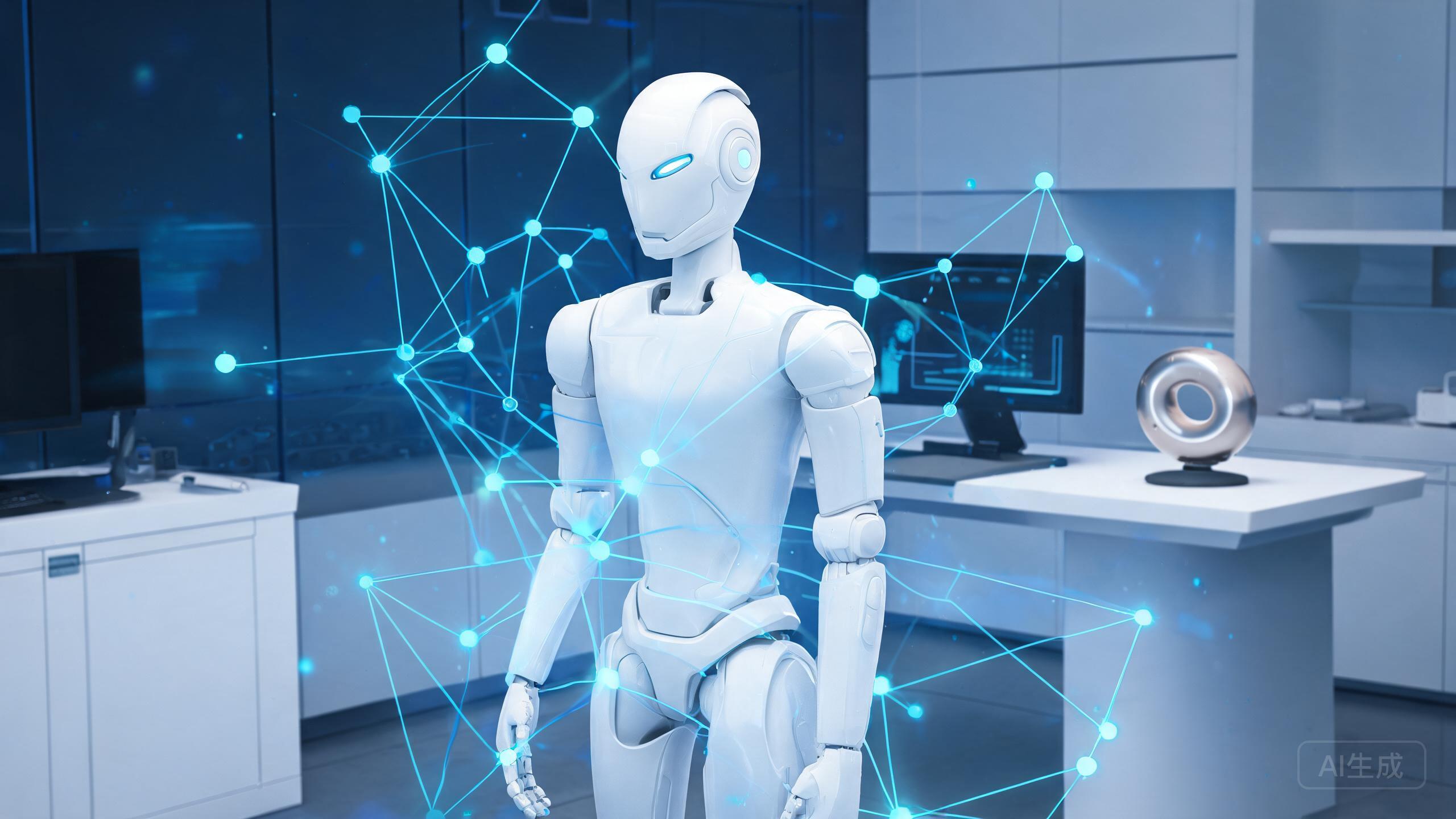
On September 2, 2026, OpenAI CEO Sam Altman confirmed in the 'Sources' podcast that OpenAI will develop its own humanoid robots, ending months of ambiguity about whether the AI laboratory's robotics division would develop its own physical hardware or license a third-party chassis. 'We will definitely do a humanoid. We will do other form factors as well,' Altman said.
The initiative, now part of the OpenAI Robotics team led by Aditya Ramesh, includes specialized robots for data center scenarios in addition to humanoids. The short-term goal is to assist skilled workers in building infrastructure, while the long-term vision is bringing affordable, all-around personal assistants into everyday life. OpenAI is pursuing a full-stack, vertically integrated approach — designing both the AI 'brain' and the physical hardware.
OpenAI's robotics job listings point to custom actuator development, suggesting the company is not merely wrapping an AI model around an off-the-shelf humanoid frame but is engineering proprietary hardware components. This vertically integrated strategy would give OpenAI more control over training data — a key consideration as the company pushes toward AGI.
A separate hardware device from a collaboration with Jony Ive, the former chief design officer at Apple, is expected to launch in 2027. Codenamed 'Gumdrop,' the device is a screenless, portable AI computer shaped like a donut, roughly the size of an ice hockey puck, with movable parts to make interactions feel more human. The hardware team is working on about five products, with Foxconn involved in prototype production.
The road ahead includes legal challenges. Apple filed lawsuits and sought preliminary injunctions in July and August 2026, accusing OpenAI of stealing trade secrets by poaching employees. OpenAI denies these claims. Despite impressive revenue — annualized revenue surpassed $20 billion in 2025, and Q2 2026 revenue hit $6.7 billion — growth is slowing and operating losses are widening. Competitor Anthropic posted quarterly revenue above $11.5 billion and achieved operational profitability, adding pressure.
We will definitely do a humanoid. We will do other form factors as well.
— Sam Altman, CEO of OpenAI
Related Robot
Optimus
Tesla
Related News
 Tesla
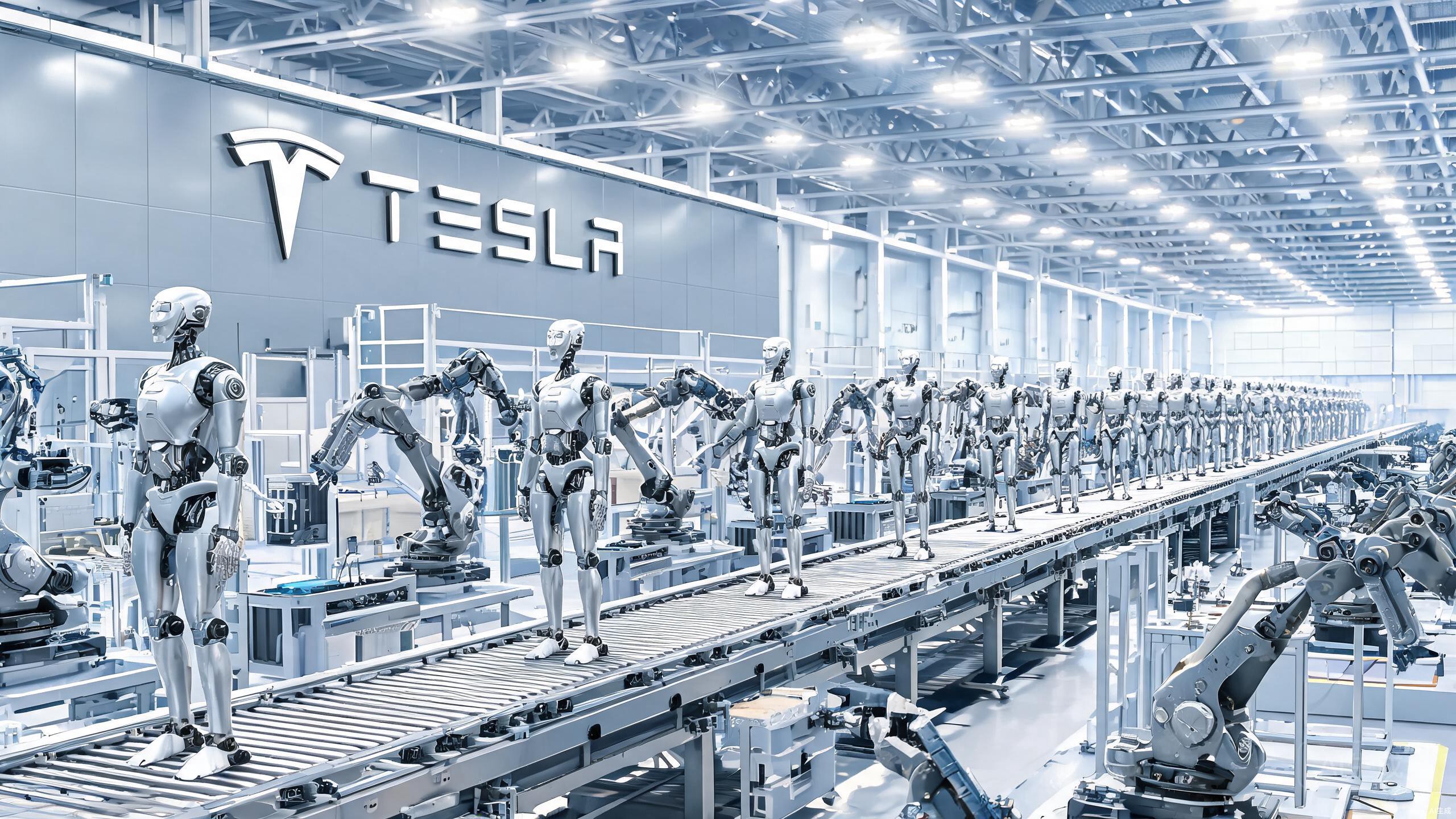
TeslaTesla Activates Optimus Gen-3 Production Line, Targets 1 Million Units Annually
Tesla has officially activated its Optimus Gen-3 mass production line at Gigafactory Texas, with Elon Musk announcing an ambitious target of 1 million units per year by 2028 — a scale that would fundamentally transform the economics of humanoid robotics if achieved.
 Elon Musk / X
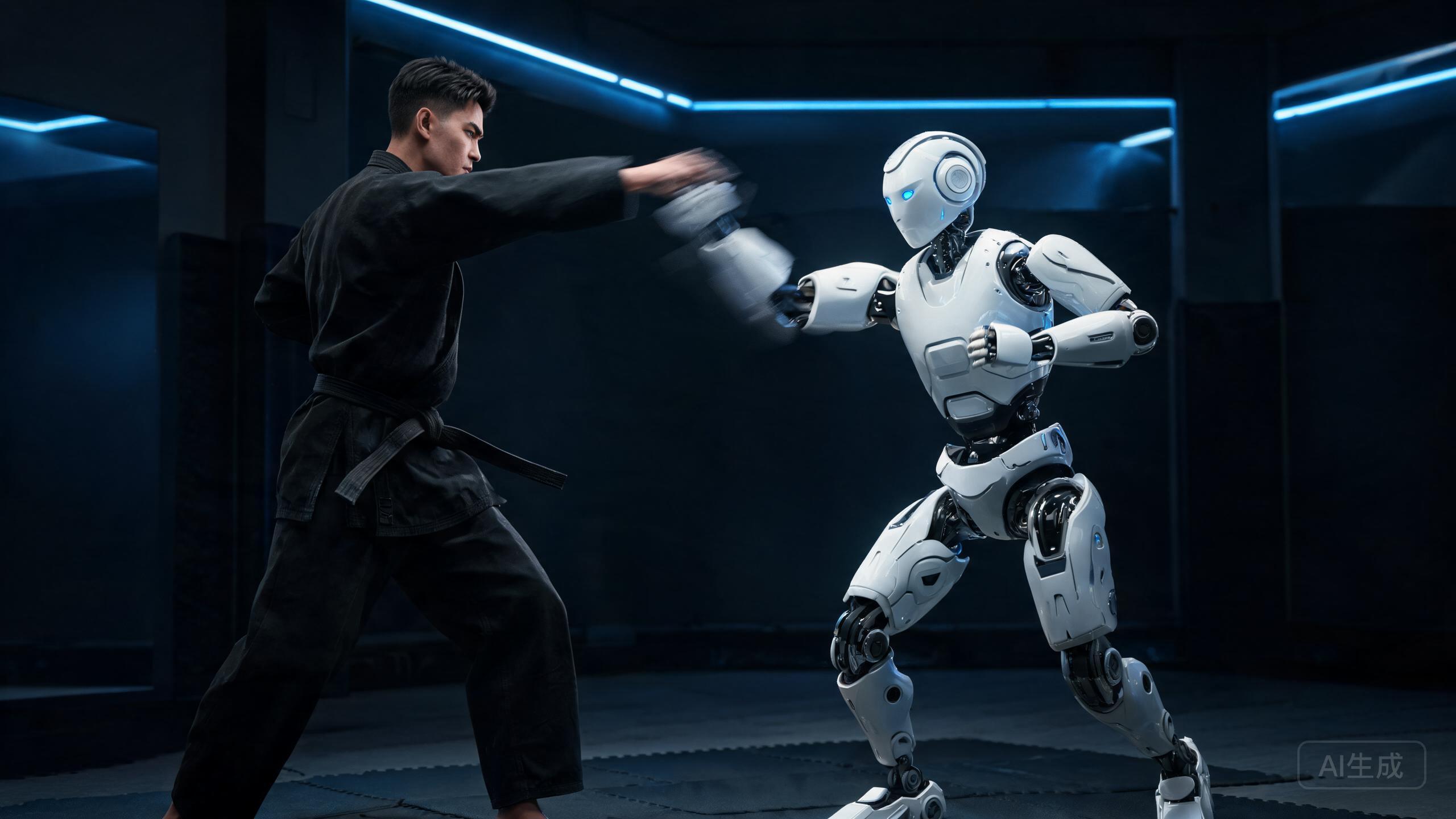
Tesla Optimus Demonstrates AI-Driven Kung Fu Combat in Musk Video
Elon Musk posted a video on X showing Tesla's Optimus humanoid robot performing martial arts exchanges with a human coach — dodging, blocking, and counterattacking with fluid limb coordination. Musk confirmed the movements were entirely AI-autonomous, not remote-controlled, signaling a leap in real-time reactive motion intelligence.
 IT BOLTWISE / Tesla
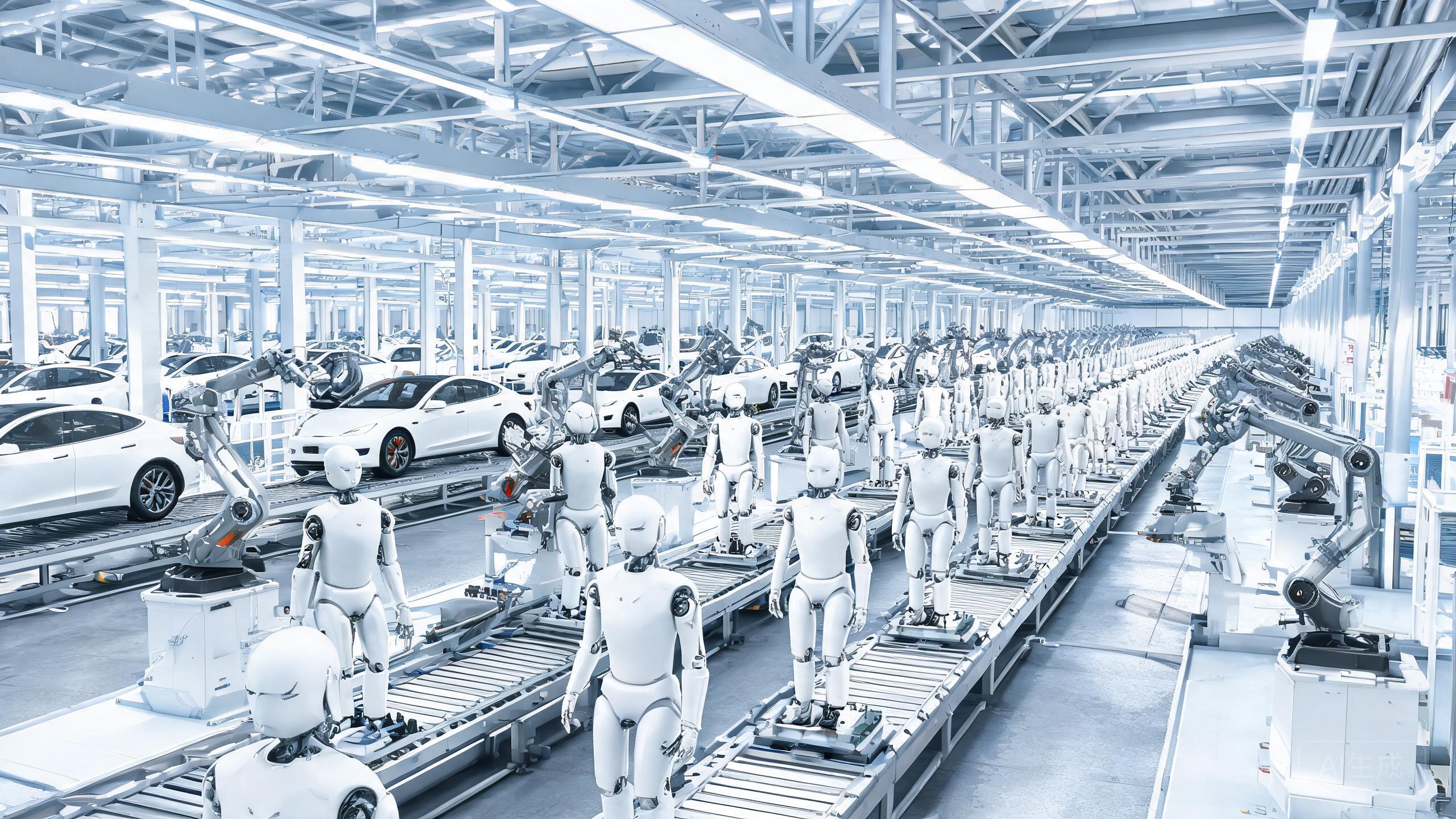
Tesla Launches Optimus Production Lines: V3 in Fremont, V4 Target 10M Units in Texas
Tesla officially launched Optimus humanoid robot production line deployment in August 2026. The Fremont factory's V3 line — converted from a former Model S/X line in 46 days — will produce robots working alongside humans on Model 3/Y assembly. A dedicated V4 factory in Texas targets 10 million units annual capacity, with a $20,000 target price point.