Meta Builds 'Max' Humanoid Prototype in Three Months with China's Fourier — Plans to Ship Second Gen by Year-End
On November 1, 2026, reports confirmed Meta collaborated with China's Fourier Robotics to build a humanoid prototype codenamed 'Max' in approximately three months. Weighing 48 kg, 1.5 m tall, and powered by NVIDIA Jetson Thor, the machine is Meta's first physical embodiment of its Muse AI agent, with voice recognition up to five meters and built-in speakers for natural communication. A second-generation prototype (Max 2) entered development in September 2026. Meta's robotics VP Li-Chen Miller reportedly spent two months on-site at Fourier's Shanghai factory.

Meta has built its first humanoid robot — and it did it with a Chinese partner, in three months. On November 1, 2026, reports confirmed that Meta and Shanghai-based Fourier Robotics collaborated to create a prototype codenamed 'Max': 48 kg, 1.5 m tall, powered by NVIDIA Jetson Thor, with voice recognition up to five meters and built-in speakers for natural conversation. A second-generation unit, Max 2, entered development in September.
The significance is threefold. First, this is Meta's first physical embodiment of Muse, the AI agent the company launched in 2025. Meta CTO Andrew Bosworth has framed humanoids as the 'physical incarnation' of Muse — the strategy being to push social AI out of phones and into living rooms. Second, the three-month timeline on a working prototype is blistering fast, made possible by Fourier's existing hardware platforms and manufacturing capacity. And third, the choice of a Chinese partner over a US bipedal maker signals that Meta's priorities are speed and manufacturing, not pedigree.
Meta's robotics VP Li-Chen Miller spent roughly two months on-site at Fourier's Shanghai factory, iterating directly on hardware. Fourier's CEO Gu Jie responded to the reports with characteristic restraint: 'We temporarily can't share details.' The joint design suggests a division of labor: Meta contributed the Muse software architecture, AI interaction models, and product vision; Fourier contributed the hardware, motion control, and rapid prototyping. The result is a machine that can already walk, recognize voice commands at distance, and hold natural dialogue — capabilities that took most Chinese makers a year or longer to reach.
The collaboration lands amid growing concerns in Washington that US AI companies are falling behind China in embodied robotics. A three-month joint prototype with a Chinese maker — for what Meta presumably hopes will become a consumer-facing home robot — will accelerate those worries. Yet it is also a pragmatic admission: no US humanoid maker, not Figure, not Agility, not even Tesla, could deliver a full working prototype that fast.
Fourier itself is now the center of two competing narratives. One camp sees the Meta deal as proof that Chinese hardware is best-in-class globally. The other wonders whether Fourier's relationship with a US mega-corporation will complicate its domestic position. Either way, the collaboration marks a new era: Chinese hardware makers are no longer just suppliers — they are co-creators of the world's most ambitious AI projects, and they are winning by being faster.
Three months from blank sheet to working prototype — no US humanoid maker could have pulled that off.
— 行业评论 / 36氪
Related Robot
GR-3
Fourier
Related News
 上海市民政局 / 傅利叶智能
Shanghai Deploys 600 Care Humanoids Across 30 Nursing Homes in Largest Elderly-Care Rollout
Shanghai's civil affairs bureau began rolling out 600 care-focused humanoid robots to 30 nursing homes on November 23, 2026, using Fourier GR-3 and UBTech U1 units. The robots handle night patrols, repositioning assistance, medication reminders and fall detection. The government subsidizes 60% of the cost, and all units are insured under the new humanoid liability policy.
 平安产险 / 中国人保 / 中国保险行业协会
China's First Humanoid Robot Liability Insurance Launches, Covering Up to ¥50 Million
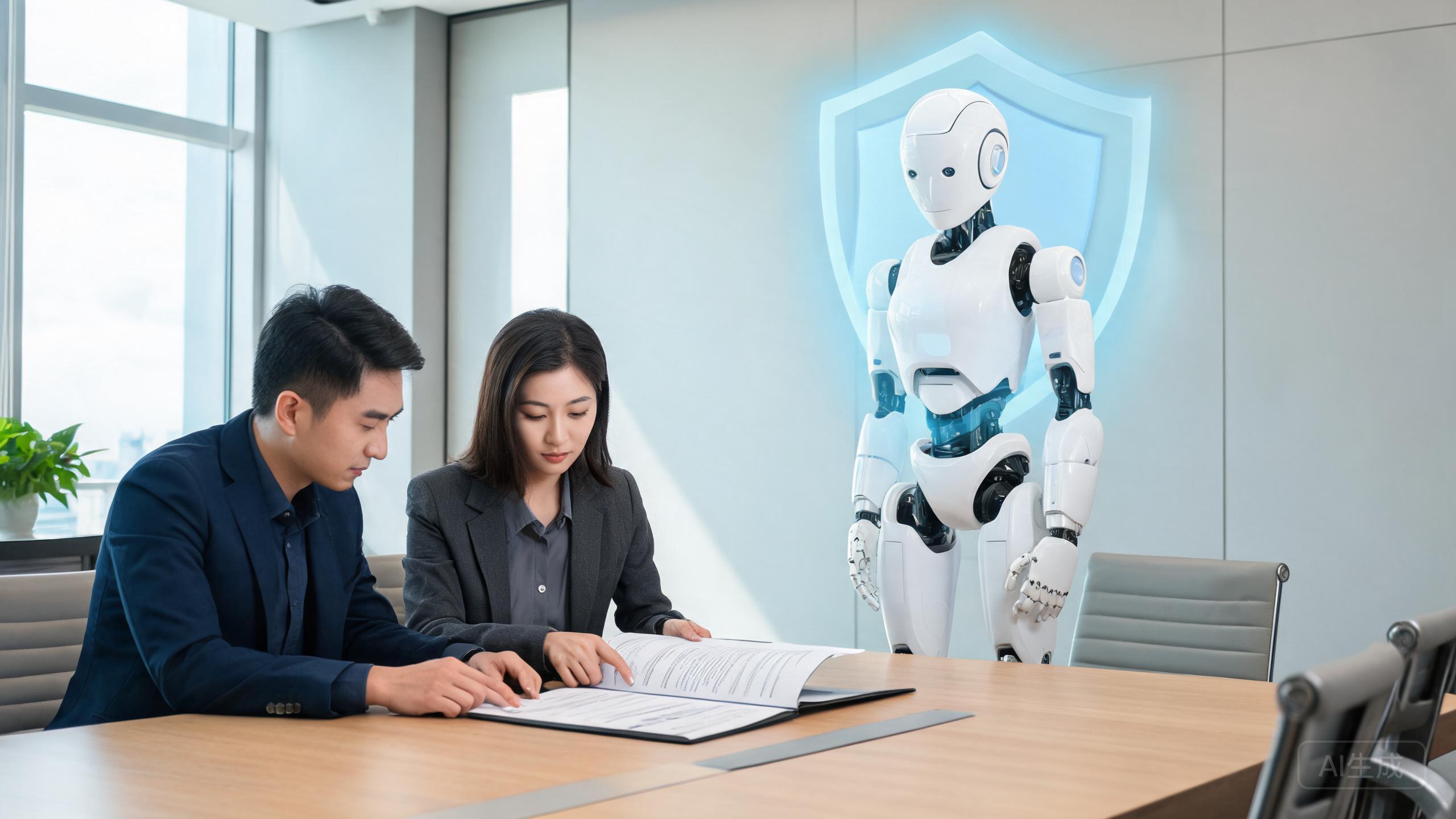
Ping An Property & Casualty and PICC jointly launched China's first comprehensive liability insurance product for humanoid robots on November 22, 2026, with coverage up to ¥50 million per incident and annual premiums of roughly ¥4,000–9,000 per unit. A dozen companies insured about 8,000 robots on the first day. Certification under the new national standards and continuous safety-log access are required.
 中国质量认证中心 CQC / 中国机器人产业联盟
China Unveils First Humanoid National-Standard Certification List: 12 Companies, 23 Models Pass
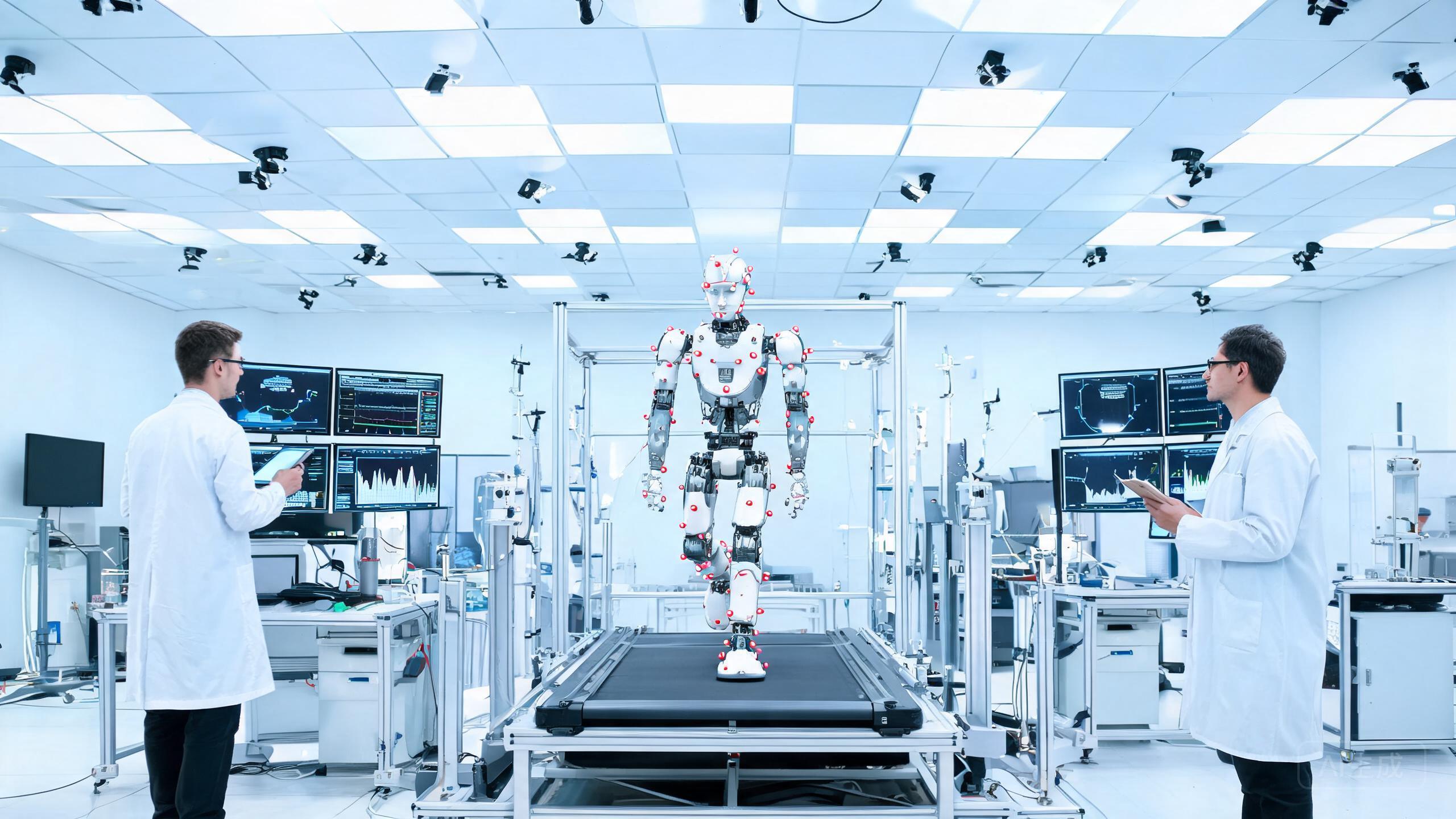
China Quality Certification Centre and the China Robot Industry Alliance published the first national-standard conformity certification list for humanoid robots on November 19, 2026. Twelve companies and 23 models passed out of 37 applicants, covering Unitree, AgiBot, UBTech, XPeng, Fourier and Galbot. Certification is voluntary for now but is expected to become a prerequisite for government and state-owned enterprise procurement.