China's First Humanoid Robot Liability Insurance Launches, Covering Up to ¥50 Million
Ping An Property & Casualty and PICC jointly launched China's first comprehensive liability insurance product for humanoid robots on November 22, 2026, with coverage up to ¥50 million per incident and annual premiums of roughly ¥4,000–9,000 per unit. A dozen companies insured about 8,000 robots on the first day. Certification under the new national standards and continuous safety-log access are required.
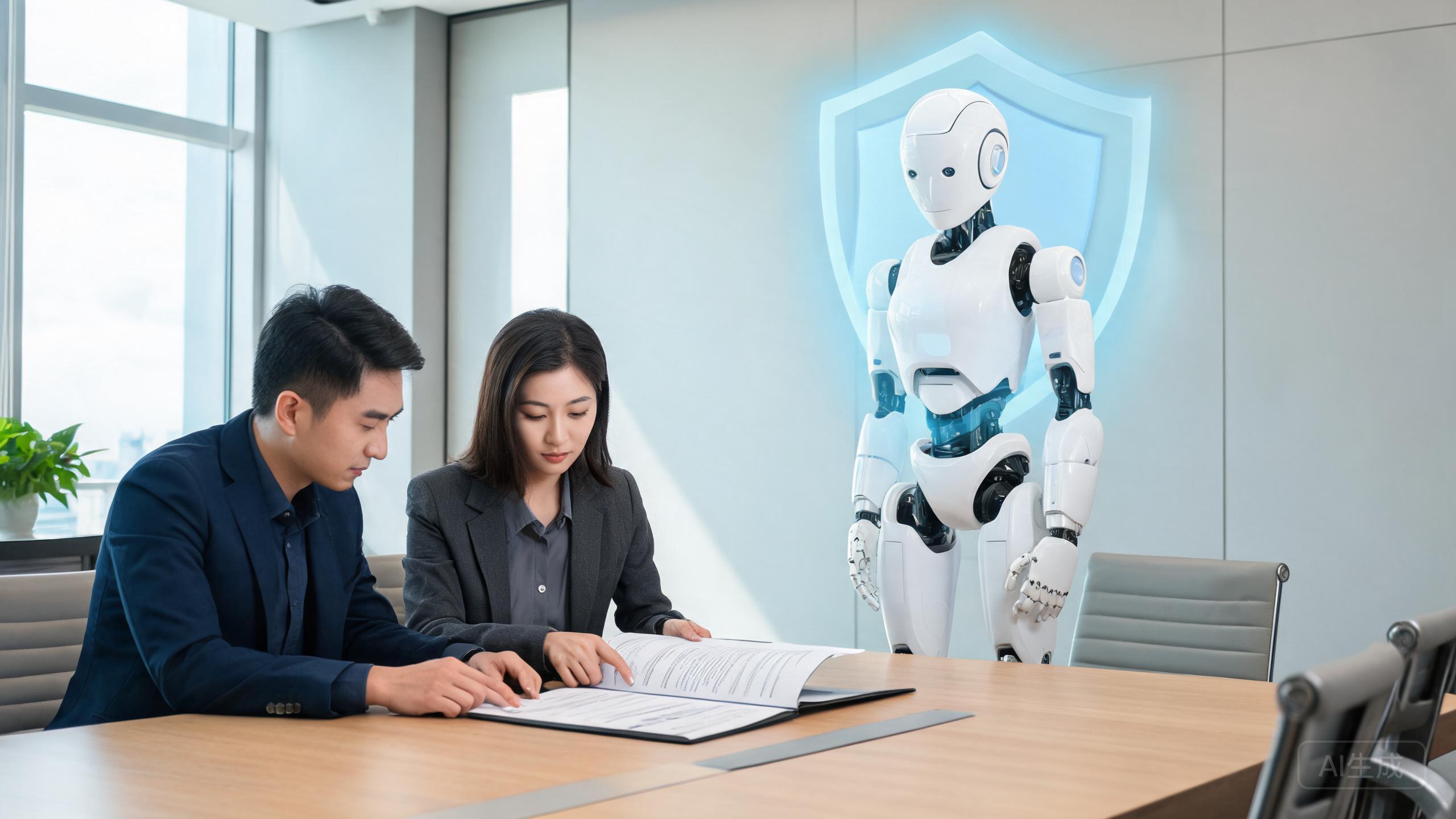
Ping An Property & Casualty and PICC jointly introduced China's first comprehensive liability insurance product for humanoid robots on November 22, 2026. The policy covers third-party bodily injury and property damage, product liability, operator error, and losses from network intrusion, with a maximum coverage of ¥50 million per incident and annual premiums of about ¥4,000 to ¥9,000 per robot depending on deployment scenario.
Underwriting is unusually data-driven for a Chinese insurance product. To qualify, a robot must hold conformity certification under the six national standards published in October, transmit safety logs continuously to the insurer's platform, and maintain emergency-stop response times within the certified limit. Hospitals, elderly-care facilities and schools are priced at the high end; factories and warehouses at the low end. The policy excludes unauthorized modification, operation outside mapped environments, and use of unregistered remote operators.
Demand on day one came from the segments where deployment has stalled on liability questions rather than capability. A dozen companies insured roughly 8,000 robots, including care-home operators in Shanghai and Guangzhou, hospital logistics providers, and two retail chains. Several buyers said insurance was the missing document that internal legal and risk committees had been waiting for; without it, procurement could not clear even when the robot had passed technical trials.
Insurers are being cautious. With little claims history, pricing was set conservatively and reinsurance capacity is limited — the two companies are ceding a large share to reinsurers and have capped the total number of policies available in the first year. Industry executives expect premiums to fall as incident data accumulates, but also expect the first serious injury claim to reset pricing sharply. Regulators in Shanghai and Shenzhen have indicated that insurance will become a requirement for publicly funded deployments in care and education.
The product is a small but telling sign of the industry maturing. For three years, humanoid progress was measured in degrees of freedom, walking speed and demo videos; now the binding constraints are certification, runtime and liability — the unglamorous infrastructure that determines whether a robot can stay on site after the pilot ends. Insurance does not make a robot safer by itself, but it forces the safety data to exist, and that is a prerequisite for scale.
Insurance does not make a robot safe — it makes safety measurable, and that is what procurement actually needs.
— 行业评论 / 中国保险行业协会
Related Robot
GR-3
Fourier
Related News
 上海市民政局 / 傅利叶智能
Shanghai Deploys 600 Care Humanoids Across 30 Nursing Homes in Largest Elderly-Care Rollout
Shanghai's civil affairs bureau began rolling out 600 care-focused humanoid robots to 30 nursing homes on November 23, 2026, using Fourier GR-3 and UBTech U1 units. The robots handle night patrols, repositioning assistance, medication reminders and fall detection. The government subsidizes 60% of the cost, and all units are insured under the new humanoid liability policy.
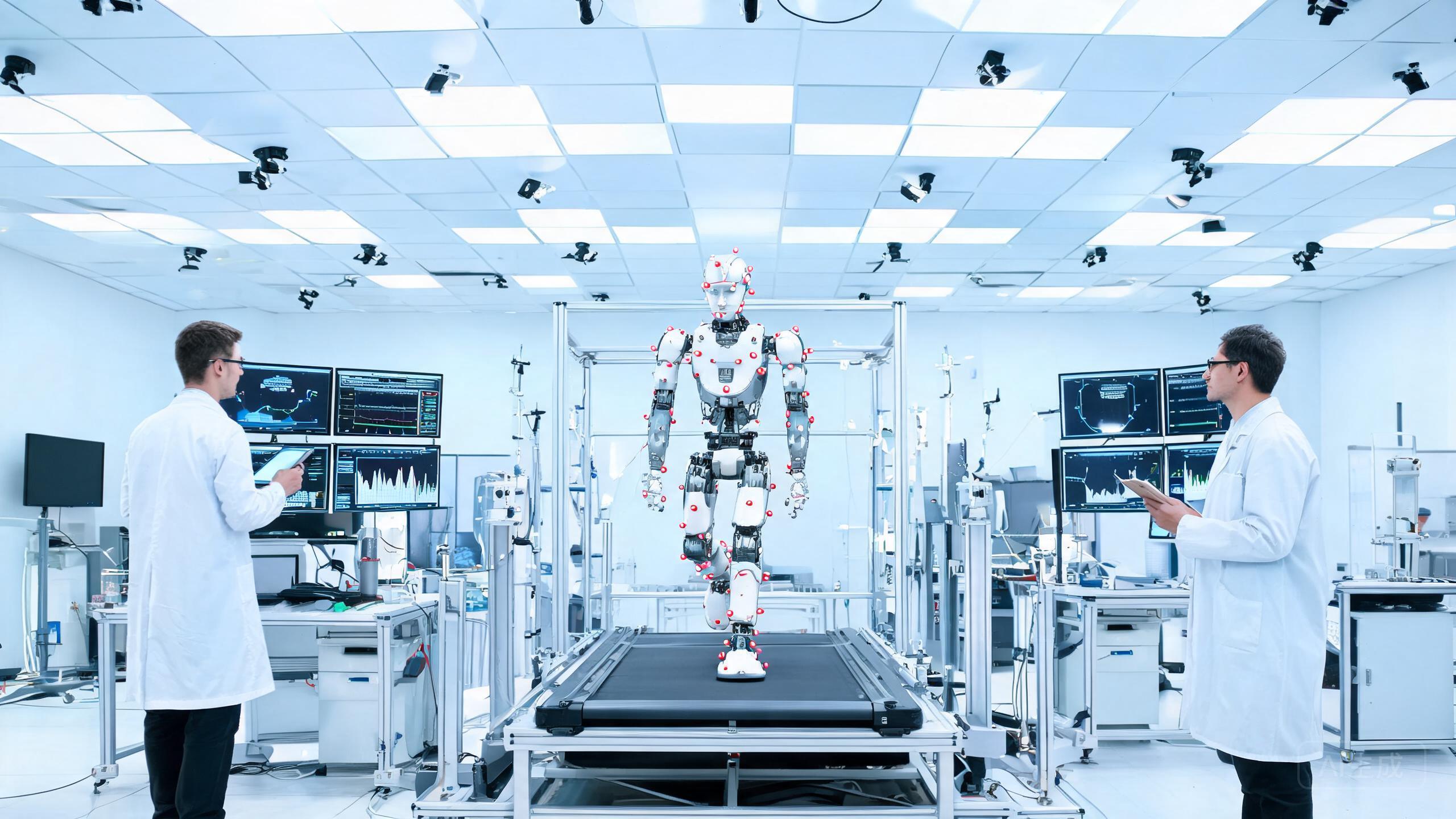 中国质量认证中心 CQC / 中国机器人产业联盟
China Unveils First Humanoid National-Standard Certification List: 12 Companies, 23 Models Pass
China Quality Certification Centre and the China Robot Industry Alliance published the first national-standard conformity certification list for humanoid robots on November 19, 2026. Twelve companies and 23 models passed out of 37 applicants, covering Unitree, AgiBot, UBTech, XPeng, Fourier and Galbot. Certification is voluntary for now but is expected to become a prerequisite for government and state-owned enterprise procurement.
 财联社 / 36氪 / The Information
Meta Builds 'Max' Humanoid Prototype in Three Months with China's Fourier — Plans to Ship Second Gen by Year-End
On November 1, 2026, reports confirmed Meta collaborated with China's Fourier Robotics to build a humanoid prototype codenamed 'Max' in approximately three months. Weighing 48 kg, 1.5 m tall, and powered by NVIDIA Jetson Thor, the machine is Meta's first physical embodiment of its Muse AI agent, with voice recognition up to five meters and built-in speakers for natural communication. A second-generation prototype (Max 2) entered development in September 2026. Meta's robotics VP Li-Chen Miller reportedly spent two months on-site at Fourier's Shanghai factory.