Bund Conference 2026: Ant Group's Robot Brain Goes 'Real Work' in Pharmacy
At the 2026 Bund Conference in Shanghai, Ant Group's Lingbo universal brain-powered humanoid robot demonstrated 'real work' — walking into an unmodified pharmacy, working alongside pharmacists to handle high-frequency nighttime medication retrieval. No shelf modifications, no rewiring: the robot entered a human workspace and started contributing. The conference's embodied AI zone showcased the full chain from brain, body, to application scenarios.
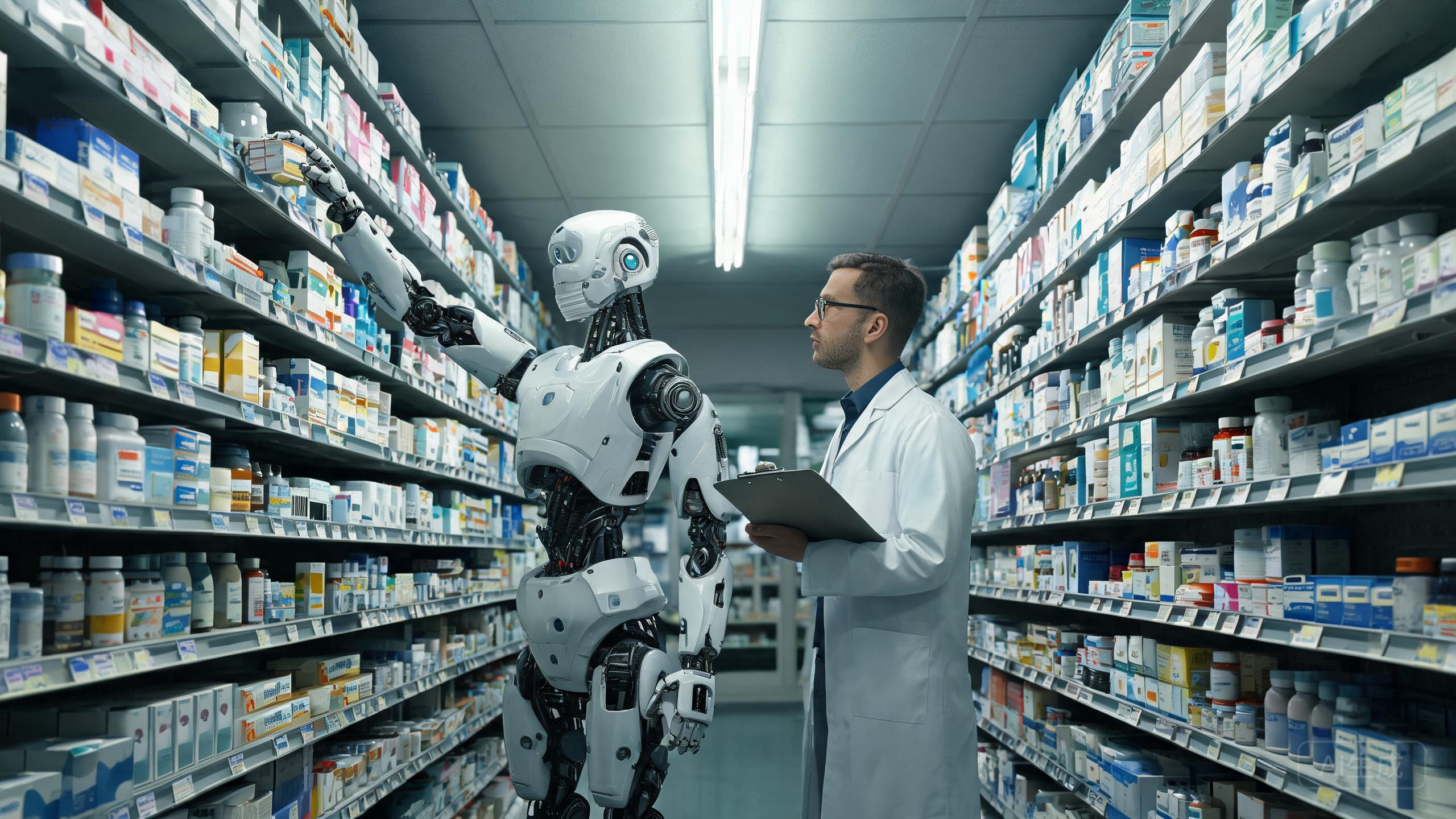
At the 2026 Bund Conference in Shanghai, the embodied AI exhibition zone showcased a scene that was deliberately unglamorous but profoundly significant: a humanoid robot, powered by Ant Group's Lingbo universal brain, walked directly into an unmodified pharmacy and started working alongside a human pharmacist to handle nighttime medication retrieval.
No shelves were modified. No wiring was reconfigured. The robot simply entered a human workspace — narrow aisles, fluorescent lighting, cluttered counters — and began contributing. This is what the conference called 'real work' (真干活): not backflips, not dance routines, but the high-frequency, repetitive tasks that fill the nighttime hours of a working pharmacist.
The Bund Conference embodied AI zone was organized around the full chain of the embodied intelligence industry: the 'brain' (AI models and perception), the 'cerebellum' (motor control), the 'body' (hardware and actuators), and 'application scenarios' (where robots create value). Nearly 10 leading companies including DEEP Robotics, Aixin Yuanzhi, Bordon Intelligence, and Paonike exhibited across these layers.
The conference reflected a broader industry shift in 2026: from spectacle to utility. After a year of humanoid robots performing choreographed dances and acrobatic stunts at trade shows, the conversation has moved to deployment metrics: hours of autonomous operation, task success rates, and cost-per-task. The pharmacy demo was a statement that the 'brain' layer — embodied AI that can understand unstructured environments and act autonomously — has reached a level where it can contribute real economic value.
Ant Group's Lingbo universal brain represents the software-only entry into the humanoid stack: rather than building its own hardware, it provides the cognitive layer that can be deployed on multiple robot bodies. This model mirrors the cloud computing paradigm — the intelligence lives in the network, the body is a commodity endpoint. If the pharmacy demo is any indication, the era of robots that 'truly work' may be closer than the era of robots that impress.
No shelf modifications, no rewiring — the robot simply entered a human workspace and started contributing. This is what we call 'real work.'
— 2026 Bund Conference exhibition description
Related Robot
Unitree H1
Unitree Robotics
Related News
 Unitree Technology / Shanghai Stock Exchange
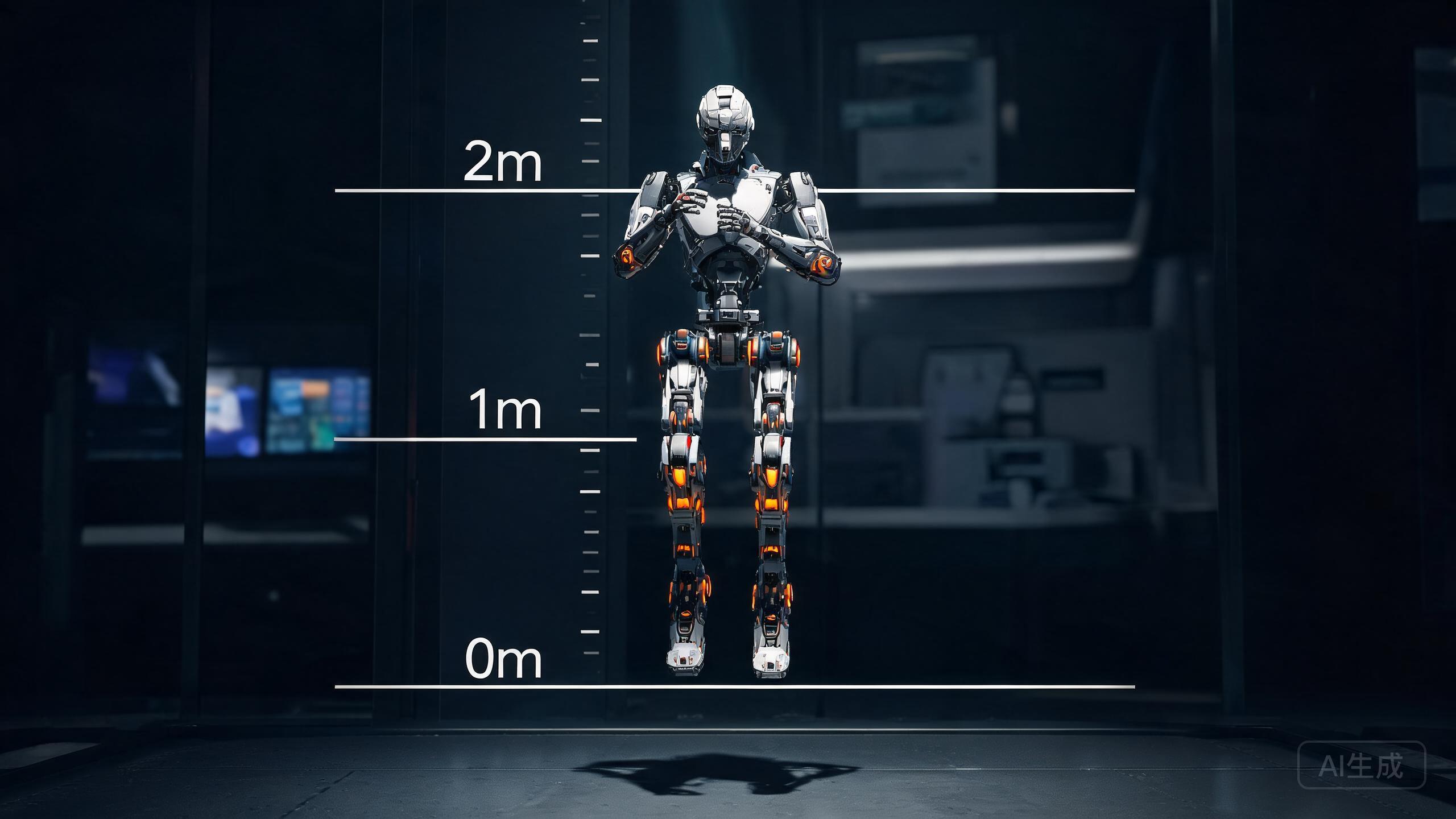
Unitree Lists on Shanghai STAR Market, Unveils 'Superman' Robot Jumping 2 Meters
Unitree Technology debuted on the Shanghai STAR Market on August 19, 2026, at 150.80 yuan per share with a market cap of approximately 61 billion yuan — becoming China's first publicly listed pure-play humanoid robot company. On the eve of listing, Unitree released a video of its 'Superman' robot achieving a 2-meter standing high jump and 12.66 m/s running speed, surpassing human world records.
 人民邮电报
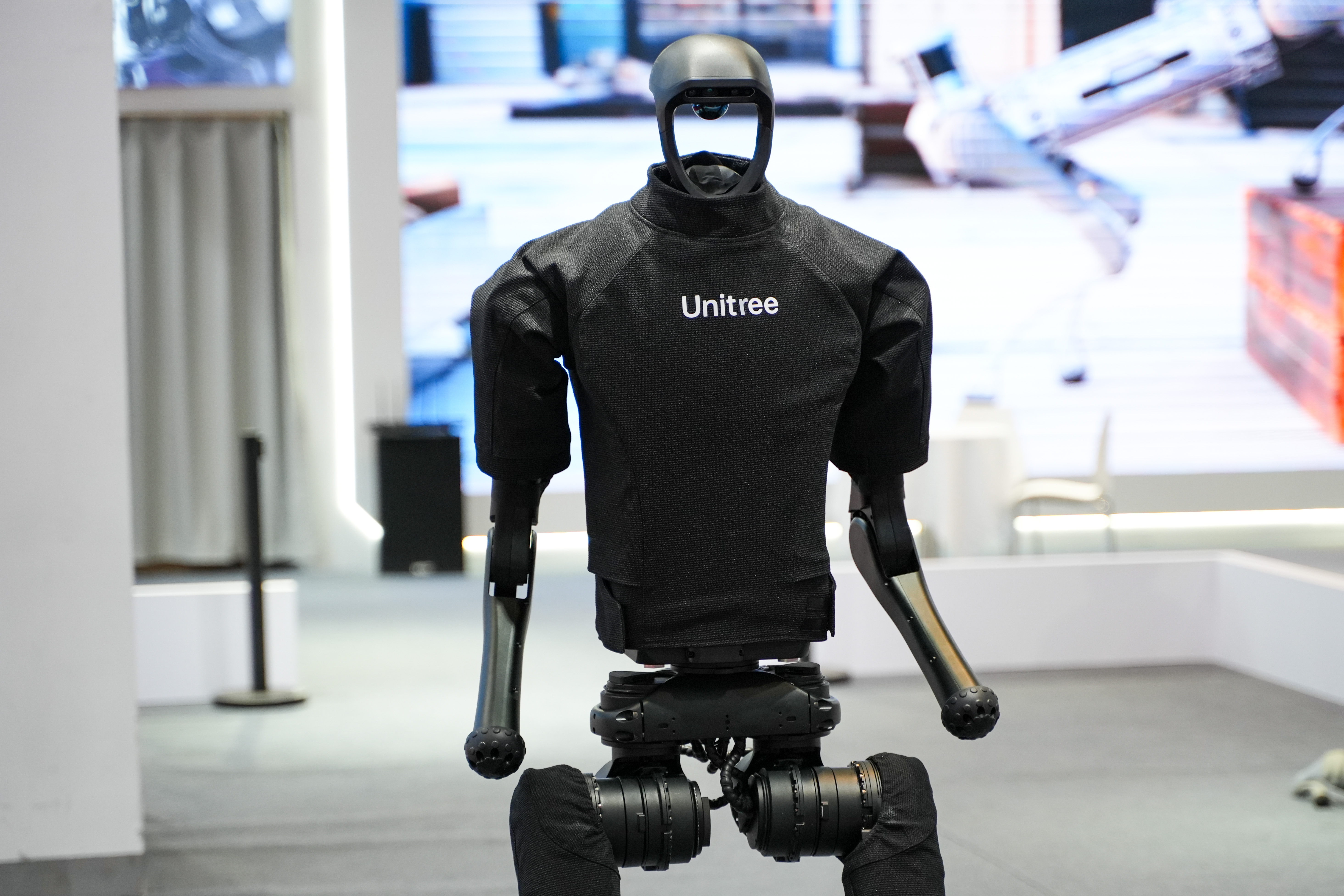
UBTECH Walker S1 Robots Deployed at BYD and Foxconn Production Lines
UBTECH's Walker S1 humanoid robots have been deployed at BYD and Foxconn factories, performing collaborative tasks alongside industrial intelligent equipment. The robots feature 41 servo joints and centimeter-level positioning accuracy, marking the transition from exhibition demos to real industrial production lines.
 NVIDIA
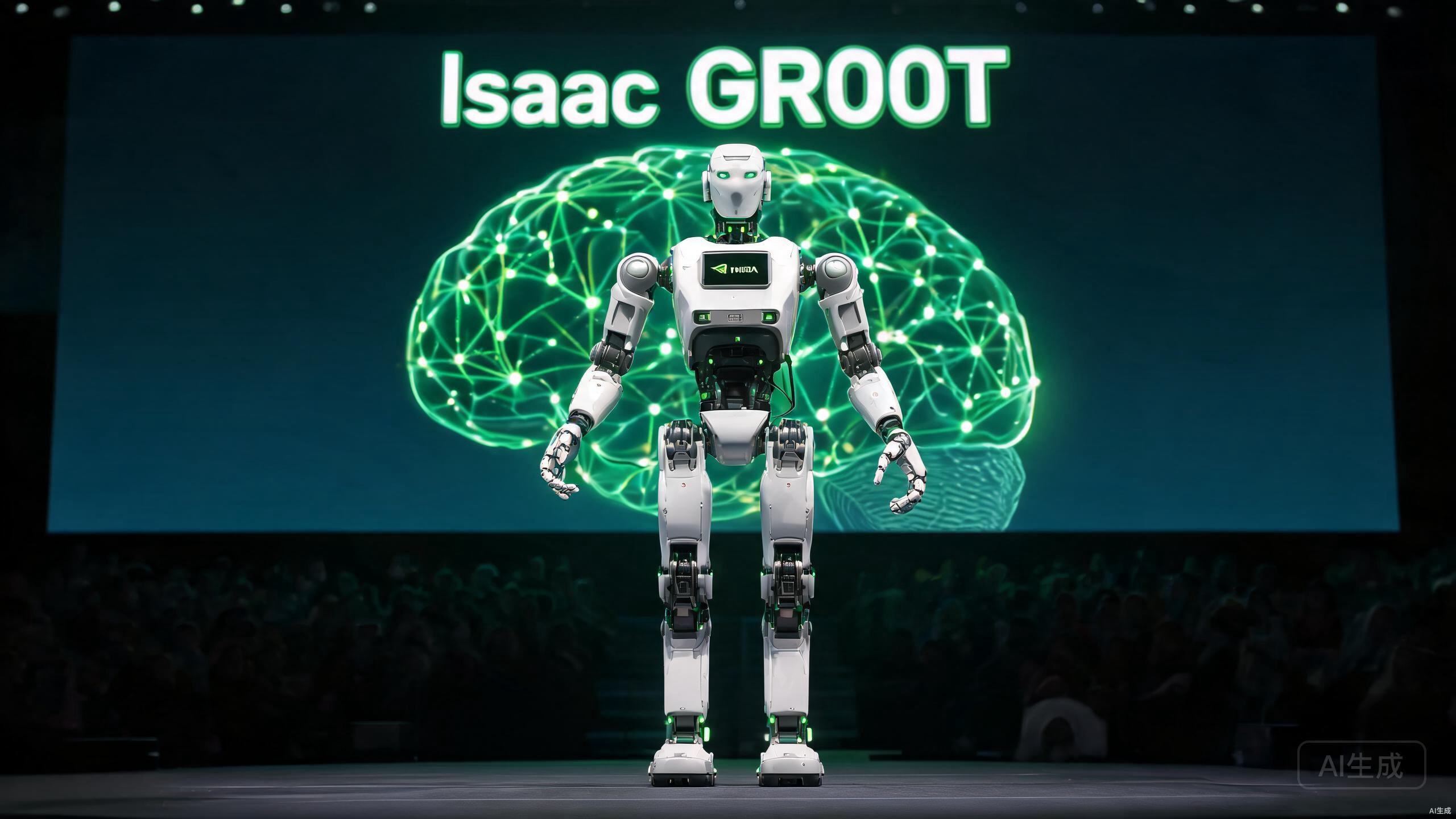
 Unveils Isaac GR00T Reference Humanoid Robot Built on Unitree H2
NVIDIA has launched the Isaac GR00T reference humanoid robot — a complete hardware-software blueprint combining a Unitree H2 body, Sharpa dexterous hands, and a Jetson Thor compute module — paired with the Halos safety system, aiming to become the 'Android of humanoid robots.'