Tesla Optimus Reaches Hundreds Per Week, But Hands Remain Production Bottleneck
According to a September 26, 2026 report by The Information, Tesla is now producing several hundred Optimus robots per week at its Fremont factory — about 10x more than Q2. However, the hand and forearm assembly remains the critical bottleneck: each unit contains 100+ screws and small parts still assembled by hand. Management targets 1,000+ units/week by year-end and 20,000/week ultimately, but tooling failures, parts shortages, and hand durability issues persist.
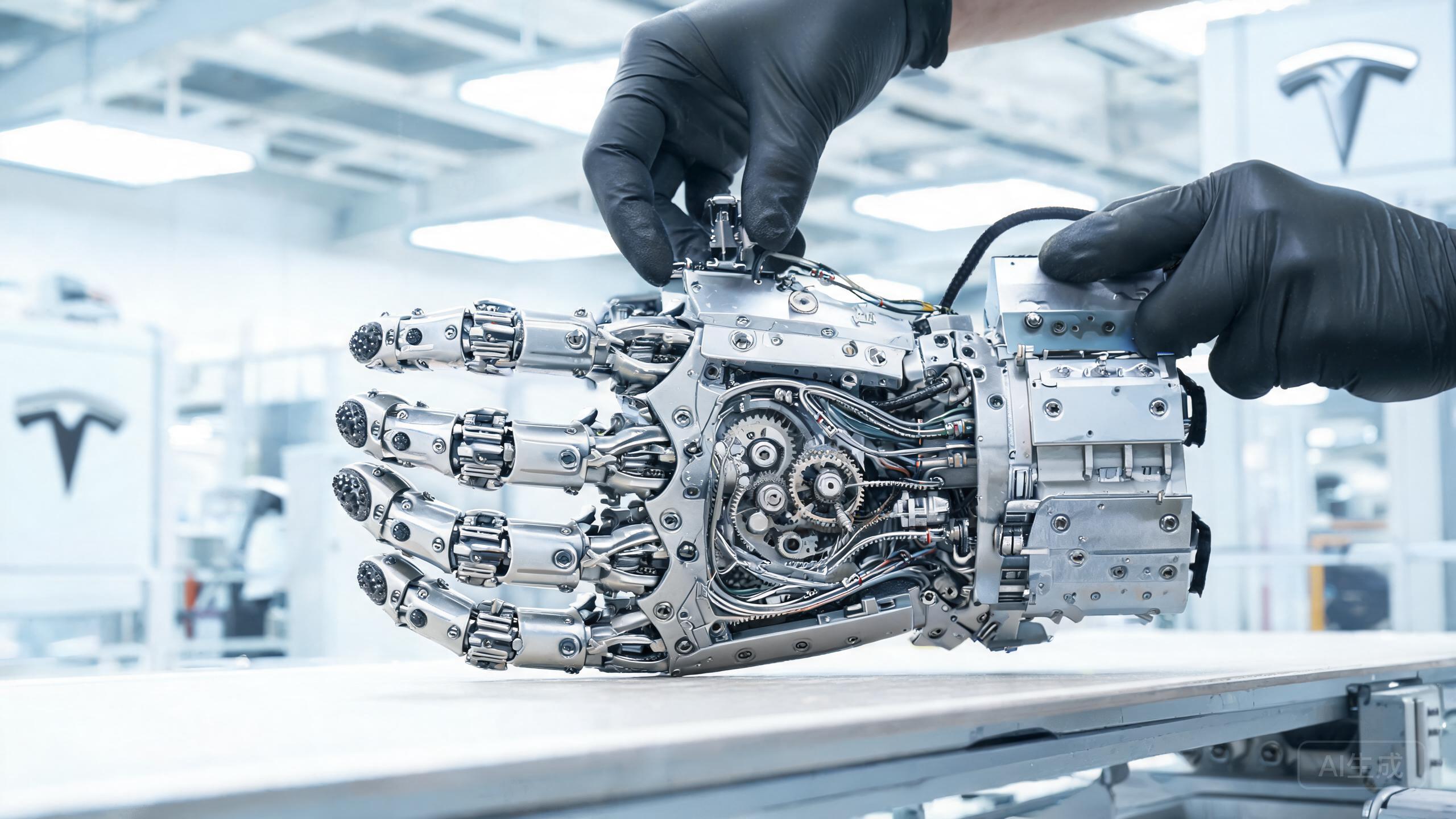
On September 26, 2026, The Information published an investigation revealing that Tesla is now producing several hundred Optimus humanoid robots per week at its Fremont factory — roughly ten times more than in the second quarter. The figures come from sources familiar with the matter and are not officially published by Tesla.
However, the ramp-up remains severely constrained by the robot's hands. The Optimus hand and forearm assembly contains over 100 screws and numerous small precision components, many of which still require manual assembly. The complexity of achieving Musk's vision of 'human-hand-level dexterity' has made the hand the single biggest production bottleneck.
Beyond hand assembly, multiple issues compound the challenge. Newly developed tooling and automated equipment don't always function correctly. Parts shortages persist across the supply chain. Some robots require rework after coming off the line. Hand durability remains an unsolved problem, and certain tactile sensors have shown reliability issues. Tesla has developed new processes to address these, but scaling them remains work in progress.
Management's internal targets are ambitious: a continuously running automated production line by end of 2026 with weekly capacity exceeding 1,000 units, scaling ultimately to 20,000 per week — Tesla's long-term plan envisions annual capacity of 1 million units. The Fremont line has been converted from Model S and Model X production, but Optimus components are smaller and require higher precision than automotive parts, creating manufacturing challenges that car-making experience only partially addresses.
The report also suggests that early Optimus units may be lease-only rather than sold outright, reflecting both the high per-unit cost and the need for Tesla to maintain control over maintenance and updates during the initial deployment phase. The production trajectory puts Tesla in a race with XPENG, which launched its own humanoid production line earlier in September, and 1X, which targets 50,000 NEO units in 2027.
The Optimus hand and forearm contains over 100 screws and small parts still assembled by hand. Hand durability remains an unsolved problem.
— The Information investigation
Related Robot
Optimus
Tesla
Related News
 特斯拉 / 工厂现场披露
Tesla Puts First 1,000 Optimus Units to Work in Its Own Factories
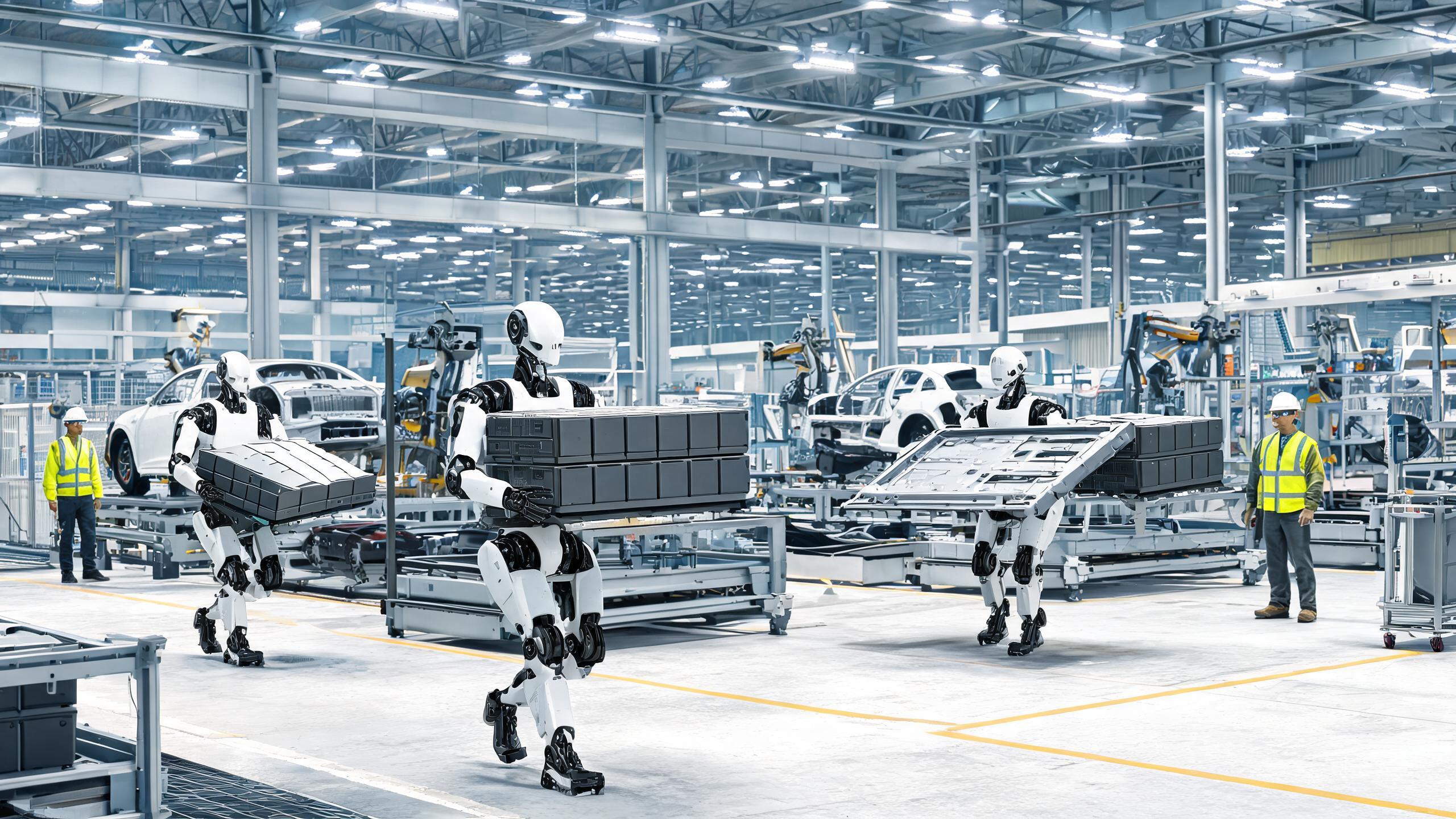
Tesla has deployed its first 1,000 production Optimus humanoids to internal logistics work at Fremont and Gigafactory Texas as of November 21, 2026, with weekly output climbing to about 400 units. The robots handle battery-pack movement, harness sorting and body-panel feeding across three shifts. Tesla reiterated that external customer deliveries remain targeted for the end of 2027.
 Tesla / Elon Musk 访谈
Musk Reveals Optimus Will Cost ~$30,000 Initially, $20,000 Later — First Deliveries in Late 2027, Lease Model Planned
Elon Musk revealed in a November 8, 2026 interview that the initial production cost of Tesla's Optimus humanoid robot will be approximately $30,000 — comparable to a Model 3 — dropping to about $20,000 once at scale. The first external deliveries are targeted for late 2027, with a 'lease not sell' model under consideration to lower the barrier for businesses. Before external sales, Optimus will be deployed in Tesla's own factories to complete millions of assembly tasks.
 特斯拉 Q3 财报电话会议 / 环球 Tech
Tesla Optimus Begins High-Volume Production on Retrofitted Fremont Line; Musk Predicts Robot Memory Demand Will Exceed All Other Use Cases
Tesla confirmed in its Q3 2026 earnings call that Optimus has begun high-volume production on a retrofitted Fremont plant line — the same line that built Model S/X before conversion, which took just 46 days. The line targets 1 million units annual capacity with weekly 20,000 units planned once fully ramped. Musk separately told investors that humanoid robot memory demand will exceed all other use cases combined by 2030, as robots stream continuous sensor data at kilobyte-per-second rates 24/7.