Hyundai Starts Atlas Production Line in Georgia, Targeting 30,000 Units a Year by 2028
Hyundai Motor Group started a dedicated Atlas humanoid production line at its Georgia Metaplant on November 24, 2026, with initial capacity of 5,000 units a year and plans to reach 30,000 by 2028. The first 300 units will work inside Hyundai's own plants, with third-party sales through Boston Dynamics expected from 2027. Hyundai is targeting a unit cost below $80,000 by 2028.
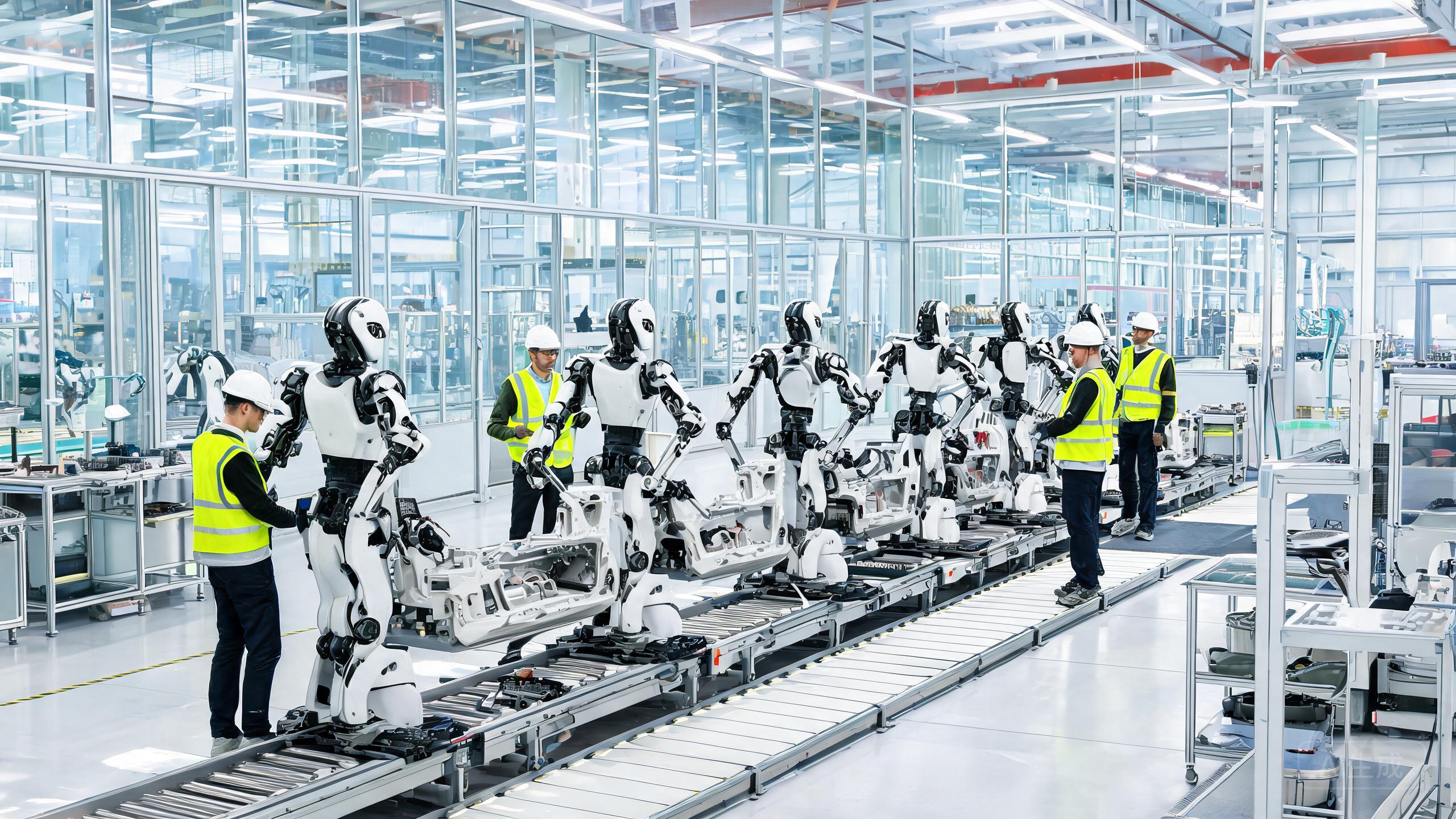
Hyundai Motor Group started a dedicated Atlas humanoid production line at its Metaplant in Ellabell, Georgia, on November 24, 2026. The line has an initial capacity of 5,000 units a year and is designed to expand to 30,000 by 2028. The first 300 Atlas robots have already been assigned to parts sequencing and body-shop tending inside the plant, where the company has been running a deployment center since September.
The facility represents about $2.1 billion of investment and 1,200 jobs, according to Hyundai, and is the first automotive-owned humanoid factory in the United States. Producing Atlas in Georgia rather than Korea or Massachusetts shortens the supply chain for US customers and avoids the tariff exposure that Chinese humanoids face. Hyundai says more than 60% of Atlas components will be sourced in North America by 2028.
Atlas is 1.9 meters tall, weighs about 90 kilograms and can lift 50 kilograms. The production version uses electric actuators, a departure from the hydraulic design of earlier generations, and Boston Dynamics says the mean time between failures has improved to more than 500 hours in factory conditions. Hyundai is targeting a unit cost below $80,000 by 2028, down from roughly $150,000 for early units, as volume and component localization improve.
The commercial model has two tracks. Hyundai's own plants and its US supplier network will absorb the early output, giving Atlas a captive customer base while reliability is proven. Third-party sales through Boston Dynamics are expected to begin in 2027, initially to automotive and logistics customers in North America. Unlike Tesla, which is deploying Optimus only internally, Hyundai plans to sell the same platform it uses on its own line — a strategy closer to that of Chinese manufacturers.
The line is a bet that manufacturing scale, not model intelligence, will decide the humanoid market. Chinese makers have a cost advantage of 30–40% and far higher volumes, but they face rising barriers in the US market. Hyundai is positioning Atlas as the domestic alternative for American industrial buyers, with local production, service and compliance. Whether that premium is worth paying will be tested when the first external Atlas invoices are issued in 2027.
The robot that builds the car and the robot that sells the car should come off the same line — that is the only way the unit economics close.
— 行业评论 / 现代汽车集团
Related Robot
Atlas
Boston Dynamics
Related News
 The Robotics Media / humanoid.guide
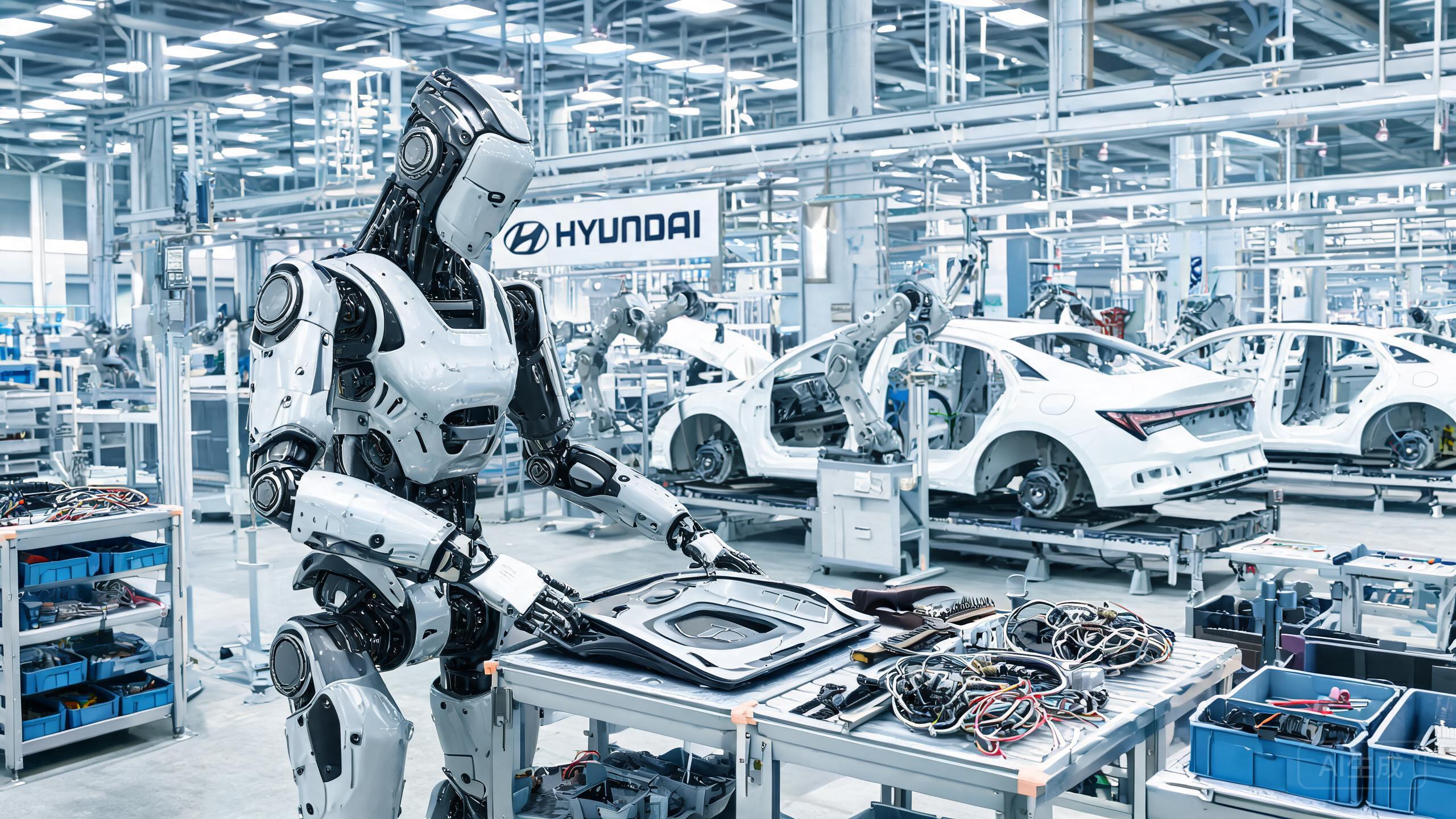
Boston Dynamics Opens Atlas Training Center at Hyundai's Georgia Metaplant
On September 22, 2026, Boston Dynamics opened the Robotics Metaplant Application Center at Hyundai Motor Group Metaplant America in Georgia, deploying electric Atlas robots for parts sequencing and logistics tasks. The facility represents a 10x leap in Atlas training scale, with a larger second site planned. This marks Boston Dynamics' first major commercial deployment of Atlas in an automotive manufacturing environment.
 Boston Dynamics
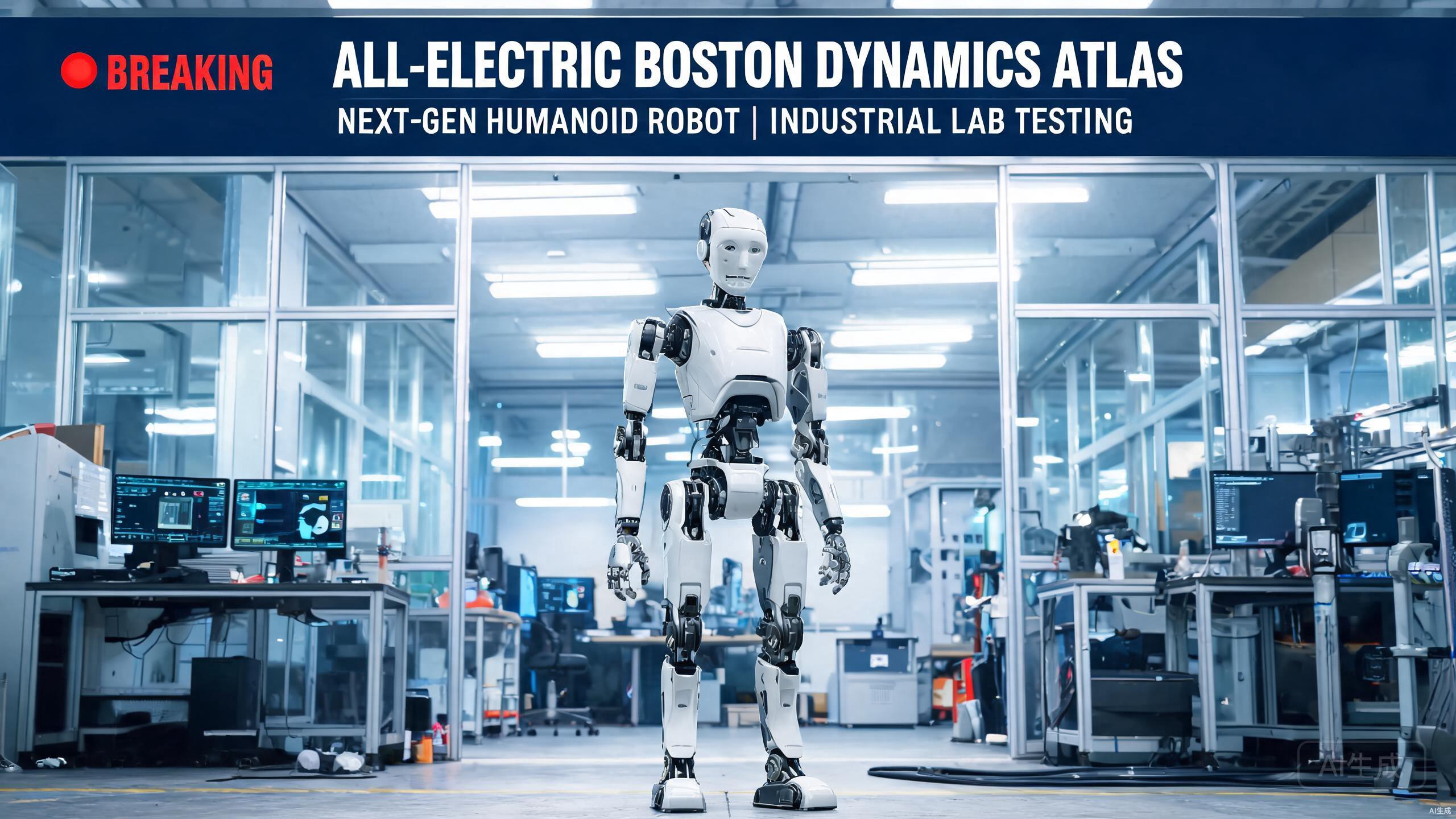
 Retires Hydraulic Atlas, Unveils Electric Successor
After a decade relying on hydraulic systems, Boston Dynamics has officially transitioned its iconic Atlas robot to a fully electric platform, dramatically improving operational range, quietness, and manipulative precision for commercial and industrial deployments.