First Embodied Robot Deploys in Shanghai Automotive Electronic Mass-Production Line — Trial Run Begins
In October 2026, the first embodied AI robot formally entered trial operation on an automotive electronic mass-production line in Shanghai. The robot still requires occasional human correction for placement deviation and its cycle efficiency has not yet reached skilled-worker levels, but the deployment marks a critical milestone: embodied robots are crossing from lab testing to real production floor. Industry observers identify three bottlenecks ahead: efficiency parity with skilled labor, cost competitiveness, and cross-scene generalization.

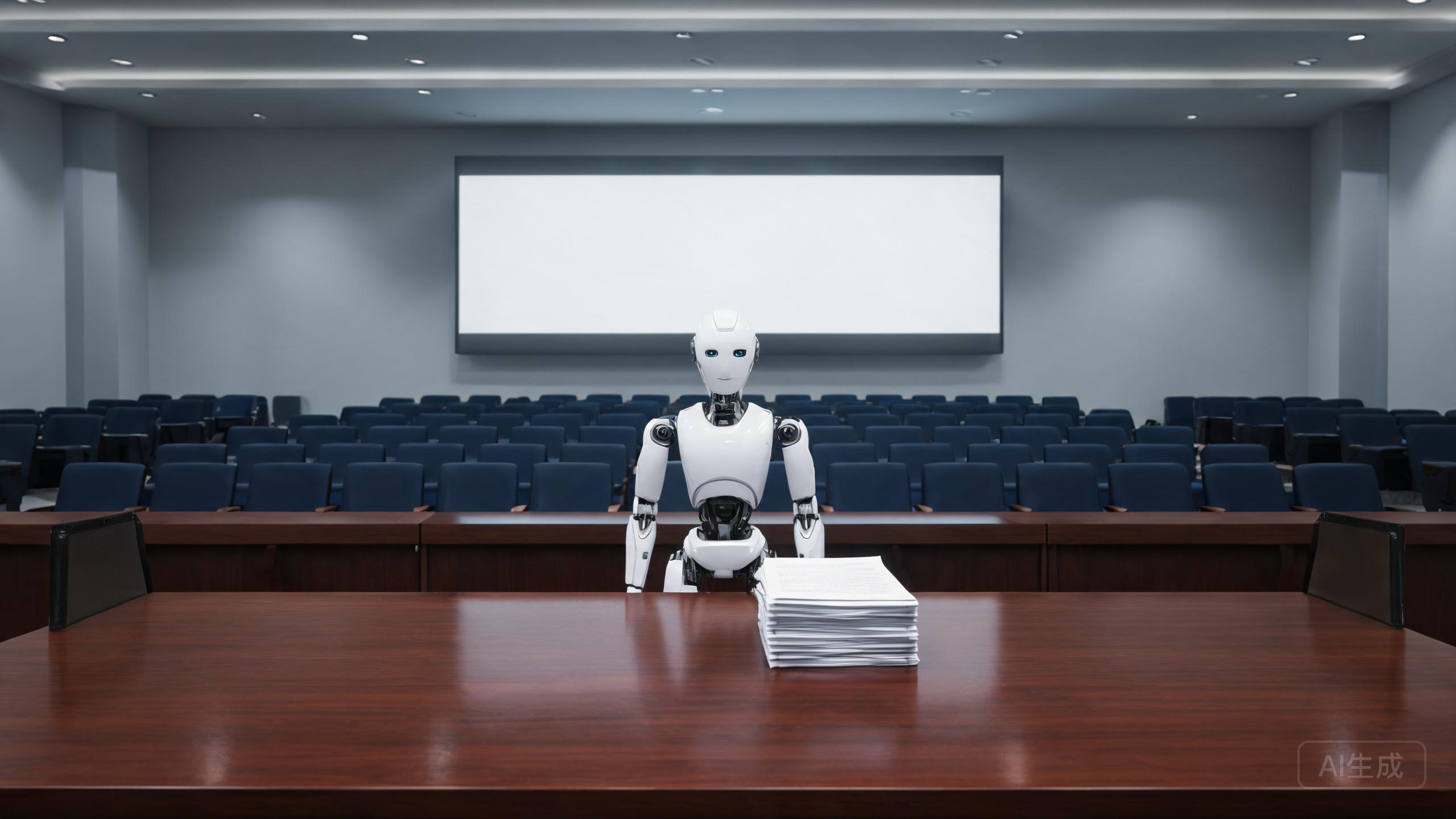
A quiet milestone landed in Shanghai's automotive electronics sector in October 2026: the first embodied AI robot formally entered trial operation on a mass-production assembly line. Unlike the hundreds of robots that have been demonstrated in factory settings — but never actually wired into daily production — this one is now counted on to shift parts and perform placement tasks that were previously done manually.
The details are revealing. The robot still needs occasional human correction when placement deviates, and its cycle efficiency has not yet reached skilled-worker levels. These are not trivial problems, but they are no longer fundamental showstoppers. A year ago, the same robot would have been lucky to complete a single shift without breaking something. Today it runs all day, with human supervision that is declining weekly.
Industry watchers frame the deployment as a three-stage bottleneck race. Stage one: efficiency parity — the robot's cycle time must match or beat a human worker. Stage two: cost competitiveness — the total cost of ownership (hardware, software, maintenance, labor) must be below the fully loaded cost of a human over a five-year horizon. Stage three: cross-scene generalization — the robot trained for placement on one line must be deployable on a different line without retraining, a requirement the current generation of embodied AI models cannot yet meet.
Shanghai's selection of automotive electronics — not automobile assembly itself — is strategic. Electronic parts are smaller, placement tolerances are tighter, and variation between tasks is lower than on a car body line. It is the gentlest possible real-production test bed. If the robot proves itself here, the next targets are battery module assembly and interior wiring, with full automobile assembly as the long game.
What makes this moment different from all previous 'factory deployments' is that nobody is calling it a demo. The robot is on the shift calendar; its uptime and error rate are measured against human targets; and its continued funding depends on hitting those metrics. For the Chinese embodied AI industry, the Shanghai trial is the moment when promise becomes accountability — and accountability is the one thing the sector has been missing.
This is the moment when promise becomes accountability — and accountability is the one thing Chinese embodied AI has been missing.
— 财联社 / 行业评论
Related Robot
Agibot A3
Agibot
Related News
 工业和信息化部
China's MIIT Issues 2027–2029 Humanoid Robot Action Plan, Targeting 500,000 Units a Year
The Ministry of Industry and Information Technology published a three-year action plan for humanoid robots on November 23, 2026, covering 2027–2029. Targets include annual output of 500,000 units, an industry scale of ¥300 billion, 85% localization of core components, three to five globally competitive platform companies, and at least 100 demonstration projects each in automotive, electronics, logistics and elderly care.
 香港交易所 / 智元机器人招股书
AgiBot Files for Hong Kong IPO to Raise $1.5 Billion, Targeting a ~HK$100 Billion Valuation
AgiBot submitted a listing application to the Hong Kong Stock Exchange on November 17, 2026, seeking to raise about $1.5 billion at a targeted valuation of roughly HK$100 billion. The filing discloses ¥4.7 billion in revenue for the first nine months of 2026, a net loss of ¥1.1 billion, and cumulative humanoid production of more than 20,000 units, making it the largest humanoid IPO attempt after Unitree and Agility.
 高工机器人 GGII / 产业调研
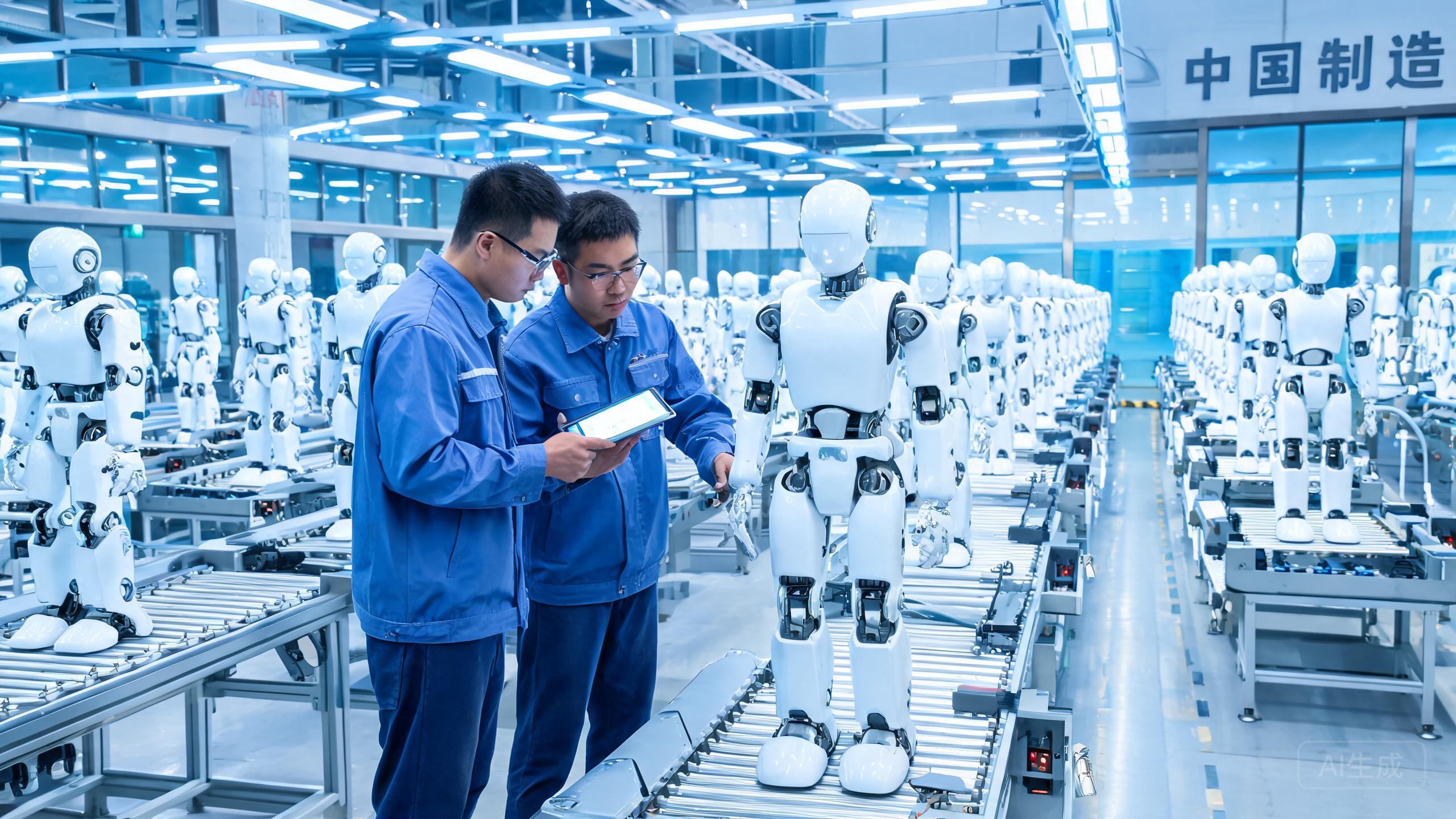
China's October Humanoid Output Hits 23,600 Units — GGII Raises Full-Year 2026 Forecast to 150,000
GGII data released on November 12, 2026 shows China produced 23,600 humanoid robots in October, up 18.4% month-on-month, bringing January–October output to 114,000 units. The research firm raised its full-year 2026 forecast from 100,000 to 150,000 units — its third upward revision this year — as average selling prices fell to ¥180,000 and Chinese makers held roughly 93% of global shipments.