China's MIIT Issues 2027–2029 Humanoid Robot Action Plan, Targeting 500,000 Units a Year
The Ministry of Industry and Information Technology published a three-year action plan for humanoid robots on November 23, 2026, covering 2027–2029. Targets include annual output of 500,000 units, an industry scale of ¥300 billion, 85% localization of core components, three to five globally competitive platform companies, and at least 100 demonstration projects each in automotive, electronics, logistics and elderly care.
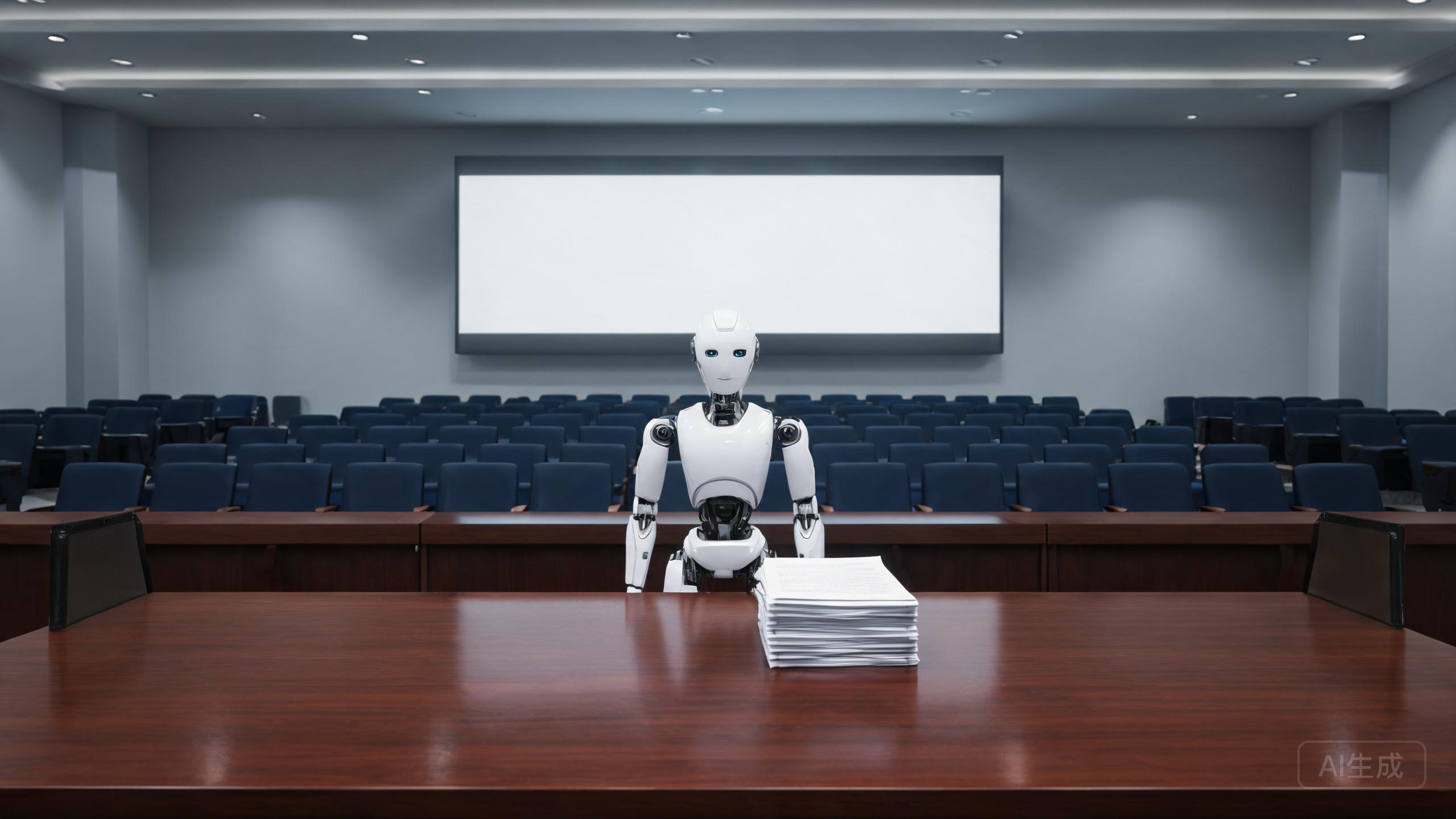
The Ministry of Industry and Information Technology (MIIT) published a three-year action plan for the humanoid robot industry on November 23, 2026, setting targets through 2029. The plan calls for annual production of 500,000 humanoid units, an industry scale of ¥300 billion, localization of 85% of core components, and the cultivation of three to five companies capable of anchoring a global ecosystem.
The targets are aggressive relative to current output. China produced about 114,000 humanoids in the first ten months of 2026, and GGII expects 150,000 for the full year. Reaching 500,000 by 2029 implies a compound growth rate of roughly 50% — fast, but below the pace of the past two years. Officials described the number as a floor rather than a ceiling, with the plan's emphasis on quality of deployment rather than unit count.
The most concrete measures are demand-side. The plan requires at least 100 demonstration projects in each of four sectors — automotive manufacturing, electronics assembly, logistics and elderly care — by the end of 2028, backed by central and local procurement. It also expands first-set insurance compensation for domestically produced humanoids, encourages state-owned enterprises to include humanoids in equipment renewal budgets, and supports qualified companies in listing domestically or offshore.
Supply-chain provisions target the components that still constrain margins: harmonic reducers, frameless torque motors, six-axis force sensors and high-precision encoders. The plan sets 85% domestic content as a 2029 goal and calls for national test platforms for reliability and safety. Analysts noted that the 85% figure is measured by value, not unit count, and that some high-end sensors remain dependent on imports from Japan and Europe.
The plan formalizes a shift in industrial policy from supporting research to shaping demand. It arrives two days after the first national-standard certification list and a week after the first humanoid liability insurance product, completing a stack of standards, certification and risk transfer that Chinese officials believe is necessary before large-scale public procurement. The risk, as with previous five-year targets, is that local governments compete on volume and produce robots that no one deploys.
The plan's hardest target is not 500,000 units — it is making sure every one of them has a job to do.
— 行业评论 / 工业和信息化部
Related Robot
Agibot A3
Agibot
Related News
 香港交易所 / 智元机器人招股书
AgiBot Files for Hong Kong IPO to Raise $1.5 Billion, Targeting a ~HK$100 Billion Valuation
AgiBot submitted a listing application to the Hong Kong Stock Exchange on November 17, 2026, seeking to raise about $1.5 billion at a targeted valuation of roughly HK$100 billion. The filing discloses ¥4.7 billion in revenue for the first nine months of 2026, a net loss of ¥1.1 billion, and cumulative humanoid production of more than 20,000 units, making it the largest humanoid IPO attempt after Unitree and Agility.
 高工机器人 GGII / 产业调研
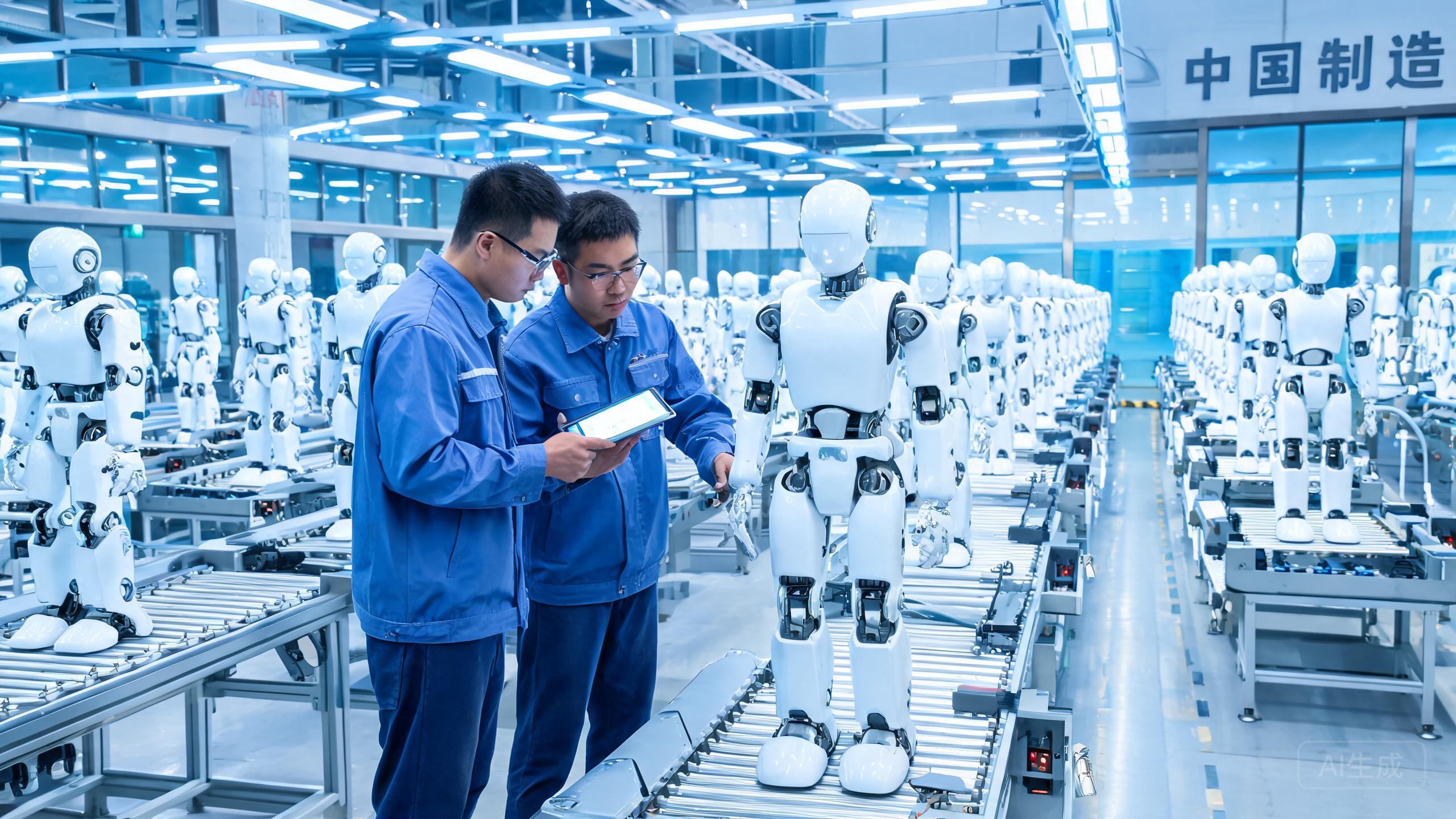
China's October Humanoid Output Hits 23,600 Units — GGII Raises Full-Year 2026 Forecast to 150,000
GGII data released on November 12, 2026 shows China produced 23,600 humanoid robots in October, up 18.4% month-on-month, bringing January–October output to 114,000 units. The research firm raised its full-year 2026 forecast from 100,000 to 150,000 units — its third upward revision this year — as average selling prices fell to ¥180,000 and Chinese makers held roughly 93% of global shipments.
 OFweek / 武汉光谷
China's First Humanoid Robot 7S Retail Store Opens in Optics Valley — Hubei Domestic Line Priced ¥70K–¥500K
On November 5, 2026, China's first dedicated humanoid robot 7S retail store opened in Wuhan's Optics Valley, showcasing the full lineup of domestically developed humanoid robots from Hubei province. Prices range from ¥70,000 for entry-level models to ¥500,000 for premium industrial-grade units. The store integrates sales, service, spare parts, supply, survey, trial, and finance — the full 7S model imported from the luxury car industry.