Apptronik Apollo humanoid Robot Partners with NASA for Space Operations
Texas-based Apptronik has signed a partnership with NASA to develop the Apollo humanoid robot for space station logistics and extraterrestrial surface operations, leveraging the agency's robotics expertise to harden Apollo for harsh off-Earth working environments.
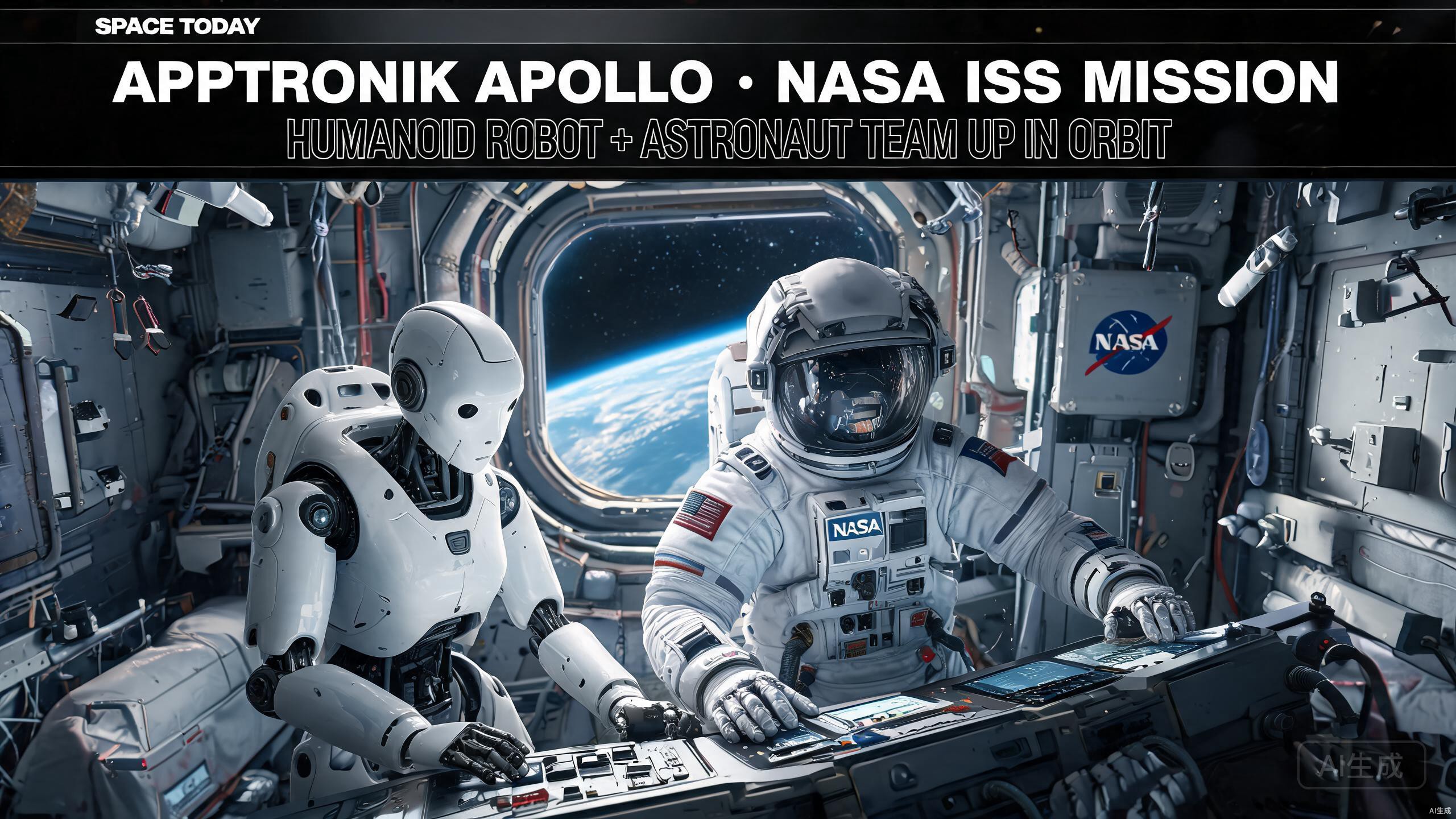
Texas-based Apptronik has signed a landmark partnership agreement with NASA to develop a specialized version of its Apollo humanoid robot for space operations. The collaboration, part of NASA's Space Act Agreement program, aims to adapt Apollo for tasks aboard the International Space Station and for future extraterrestrial surface missions on the Moon and Mars.
Apollo, standing at 1.73 meters and weighing 73 kilograms, is designed as a modular, general-purpose humanoid platform capable of lifting 25 kilograms per arm. Under the NASA partnership, Apptronik will develop a 'space-hardened' variant that can withstand extreme temperatures, radiation exposure, and the challenges of microgravity operation. Key modifications include radiation-tolerant electronics, vacuum-compatible lubricants for joints, and a specialized thermal management system.
NASA's interest in humanoid robots stems from the need for versatile assistants that can operate in environments designed for humans. Humanoid robots can use the same tools, navigate the same corridors, and interact with the same interfaces as astronauts, making them ideal for tasks ranging from routine maintenance to emergency response. The Apollo platform will initially focus on inventory management, equipment monitoring, and cleaning tasks aboard the ISS.
The partnership also includes funding for Apptronik to develop advanced autonomous capabilities, including the ability for Apollo to operate independently for extended periods without direct human supervision. This is critical for deep-space missions where communication delays make real-time teleoperation impractical.
Apptronik, a spinout from the University of Texas at Austin's Human Centered Robotics Lab, has been developing Apollo for terrestrial applications in logistics and manufacturing. The NASA partnership represents a significant expansion of the company's ambitions and could accelerate the development of capabilities that are also valuable for Earth-based applications, such as operating in hazardous industrial environments.
Apollo was designed from day one to be a general-purpose robot. Taking it to space is the ultimate test of that versatility — if it can work on the Moon, it can work anywhere.
— Jeff Cardenas, CEO of Apptronik
Related Robot
Apollo
Apptronik
Related News
 Apptronik / 36氪
Apptronik Closes $935M Series A — Valued at $5B, Begins Apollo Humanoid Mass-Production Ramp
Austin-based Apptronik announced a $520 million Series A extension on October 29, 2026, bringing its total A round to $935 million at a $5 billion valuation. Backed by repeat investors B Capital, Google, Mercedes-Benz and PEAK6, plus new investors AT&T Ventures, John Deere and Qatar Investment Authority, the capital funds mass production of the Apollo humanoid, retail/manufacturing/logistics deployment expansion, and a new Robot Park training facility that collects real-world data from fleets of Apollo 2 robots.
 Apptronik
 Launches Apollo 2, Raises $520M at $5.5B Valuation
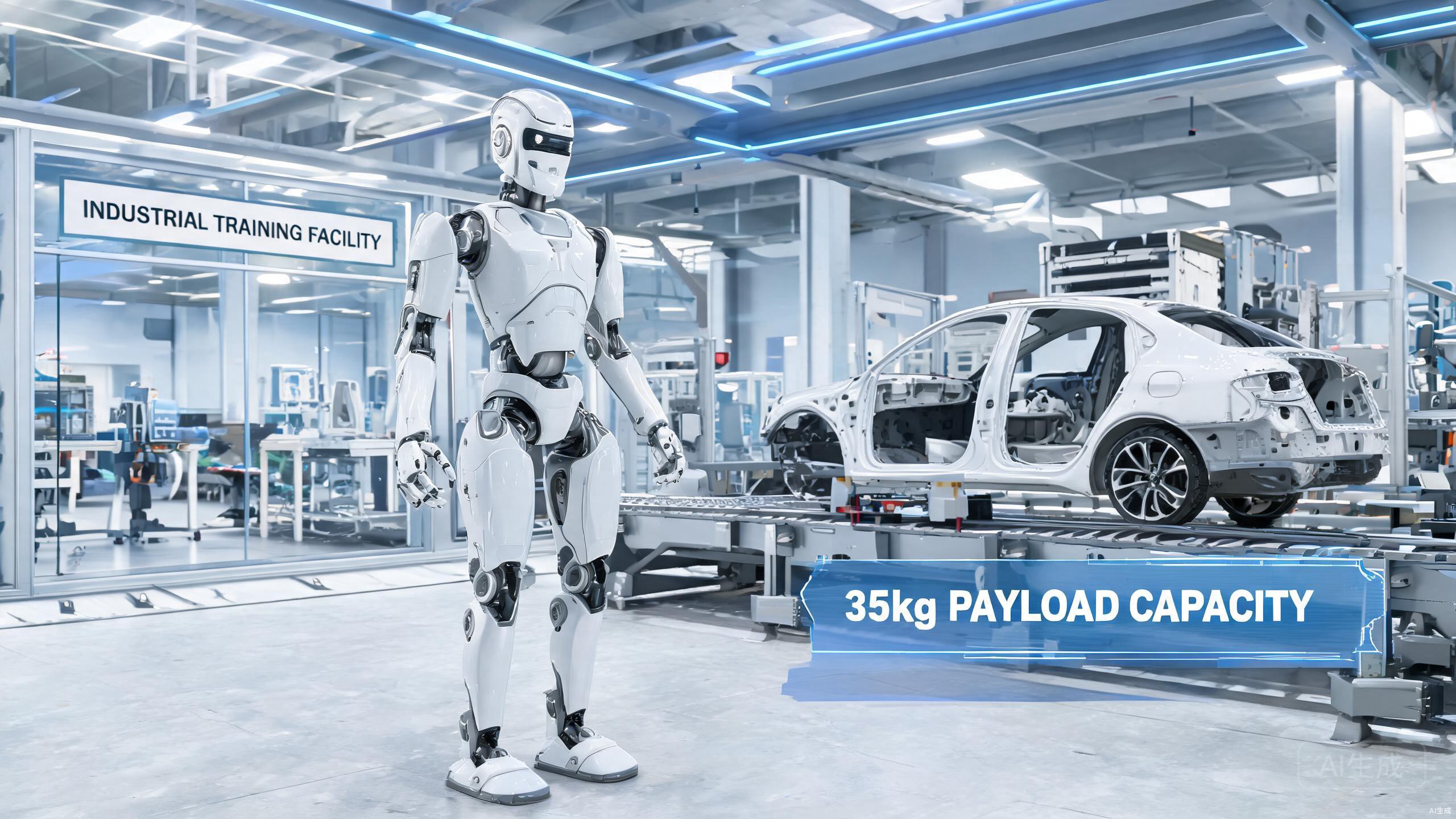
Austin-based Apptronik has unveiled the Apollo 2 humanoid robot with a 35-kg payload and NVIDIA Jetson Thor computing, closed a $520 million Series C at a $5.5 billion valuation, and broke ground on a 'Robot Training Park' in Texas to accelerate real-world learning.