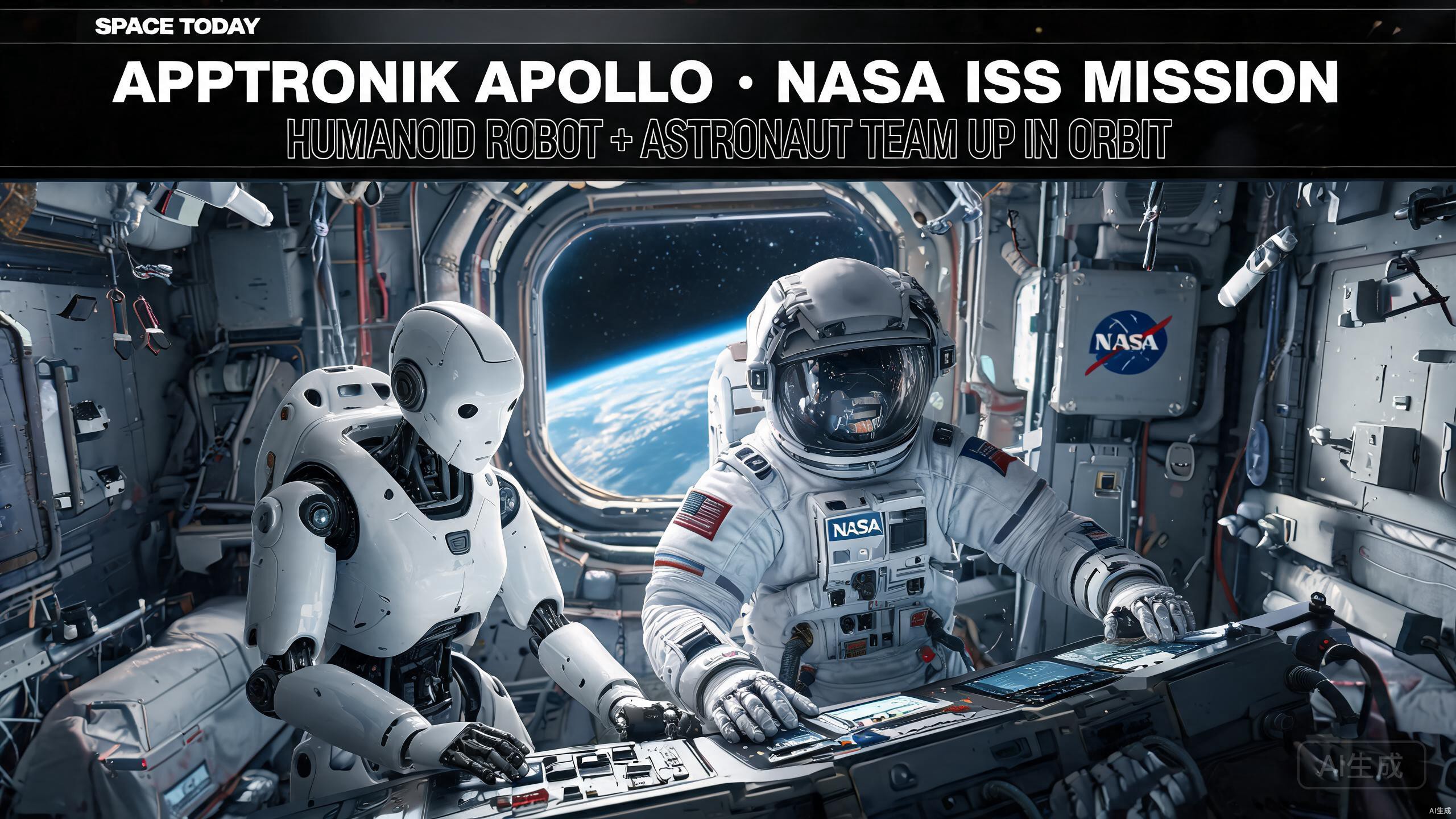
Apptronik Launches Apollo 2, Raises $520M at $5.5B Valuation
Austin-based Apptronik has unveiled the Apollo 2 humanoid robot with a 35-kg payload and NVIDIA Jetson Thor computing, closed a $520 million Series C at a $5.5 billion valuation, and broke ground on a 'Robot Training Park' in Texas to accelerate real-world learning.
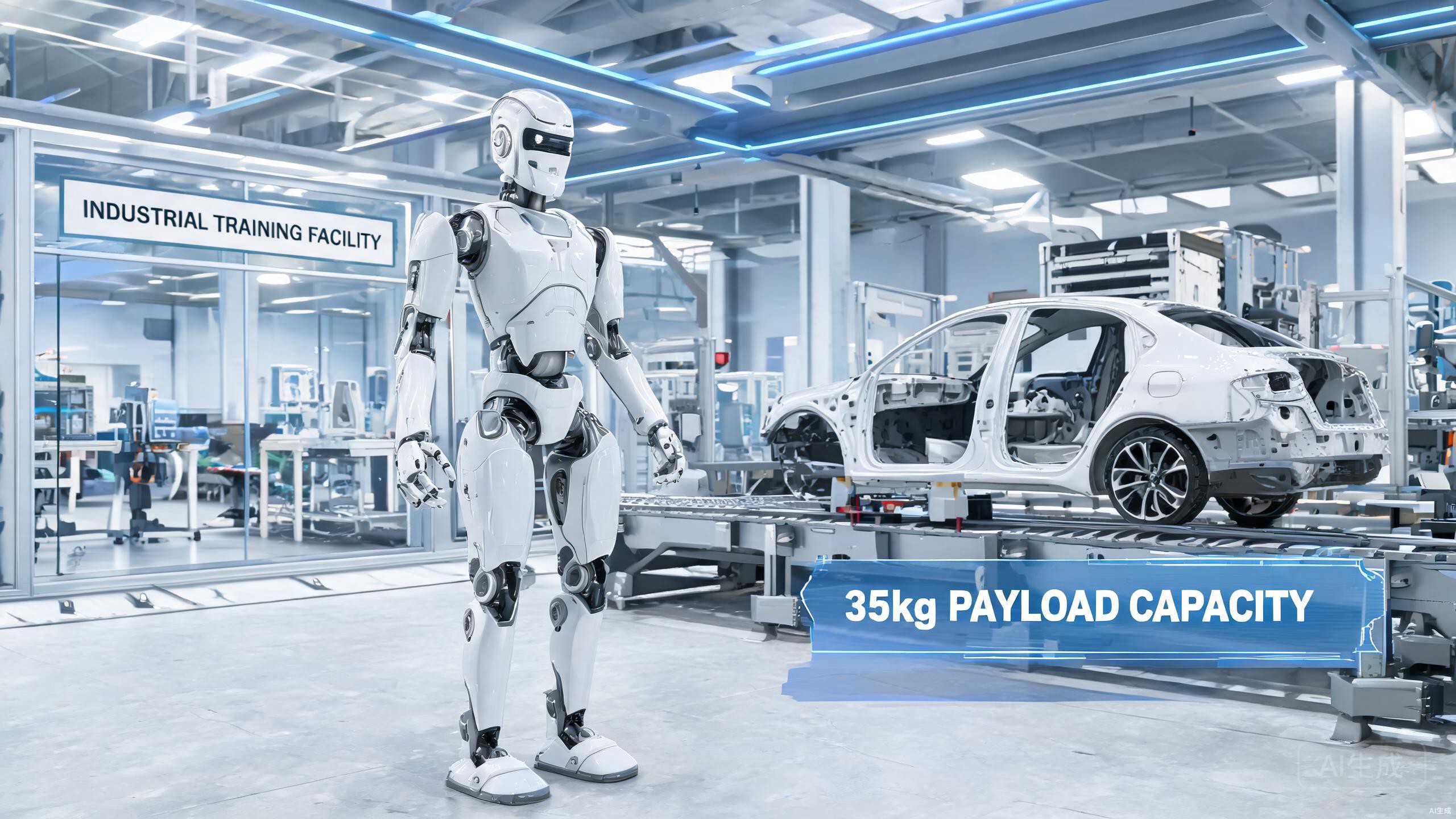
Apptronik, the Austin-based humanoid robotics company that spun out of the University of Texas Human Centered Robotics Lab, has unveiled Apollo 2 — the second generation of its flagship humanoid robot — at a launch event on April 28, 2026. The new robot features a significantly upgraded hardware platform: a 35-kilogram per-arm payload capacity (up from 25 kg), NVIDIA Jetson Thor edge computing for on-device AI inference, a hot-swappable battery system enabling continuous operation, and a refined actuation system that reduces weight by 15% while increasing peak torque output.
Alongside the hardware launch, Apptronik announced the close of a $520 million Series C funding round at a $5.5 billion post-money valuation — more than 5x its previous valuation from 2025. The round was led by Mercedes-Benz Group AG and B Capital, with participation from Google Ventures, NVIDIA, and the Canada Pension Plan Investment Board. The funding brings Apptronik's total raised to over $750 million and positions it among the best-capitalized humanoid robotics companies globally.
The company simultaneously broke ground on what it calls the 'Apollo Training Park' — a 50,000-square-foot facility near its Austin headquarters designed to accelerate real-world robot learning. The facility will feature replica environments including a Mercedes-Benz assembly line mock-up, a warehouse logistics zone, a commercial kitchen, and a retail store, where Apollo 2 robots will perform real work tasks to generate training data. The park is expected to be operational by Q4 2026 and will host up to 100 robots simultaneously.
Mercedes-Benz, a strategic investor and customer, confirmed that it has committed to deploying 500 Apollo 2 robots across its global manufacturing footprint starting in early 2027, following a successful 6-month pilot at its Sindelfingen plant in Germany where Apollo robots performed parts delivery, quality inspection, and sub-assembly tasks. The automaker cited a 27% reduction in ergonomic strain injuries for human workers at stations supported by Apollo robots.
Apptronik CEO Jeff Cardenas framed the announcements as a transition from R&D to industrial scale: 'Apollo 2 isn't a lab demo. It's a tool built for the factory floor, rated for 20,000 hours of operation, with a service contract and spare-parts logistics chain. We're not selling robots — we're selling uptime.' The company also announced a RaaS (Robot-as-a-Service) pricing model starting at $3,800/month per robot, targeting customers who want to deploy without capital expenditure.
Apollo 2 isn't a lab demo. It's a tool built for the factory floor, rated for 20,000 hours of operation, with a service contract and spare-parts logistics chain. We're not selling robots — we're selling uptime.
— Jeff Cardenas, CEO of Apptronik
Related Robot
Apollo
Apptronik