Agibot A3 Wins IFA 2026 Innovation Award with Live Calligraphy Demo
At IFA Berlin 2026, Shanghai-based Agibot's flagship A3 humanoid won the prestigious IFA Innovation Award (Best in IFA Next & Emerging Technologies) — the first humanoid to earn the honor. Standing 173 cm and 55 kg, the A3 delivered up to 12 kW peak power, performed live Chinese calligraphy with OmniHand visuotactile fingertip sensors, and demonstrated somersaults. With 10-hour endurance, UWB swarm sync for 100 robots, and a full-body touch sensing layer, it redefines commercial humanoid capability.
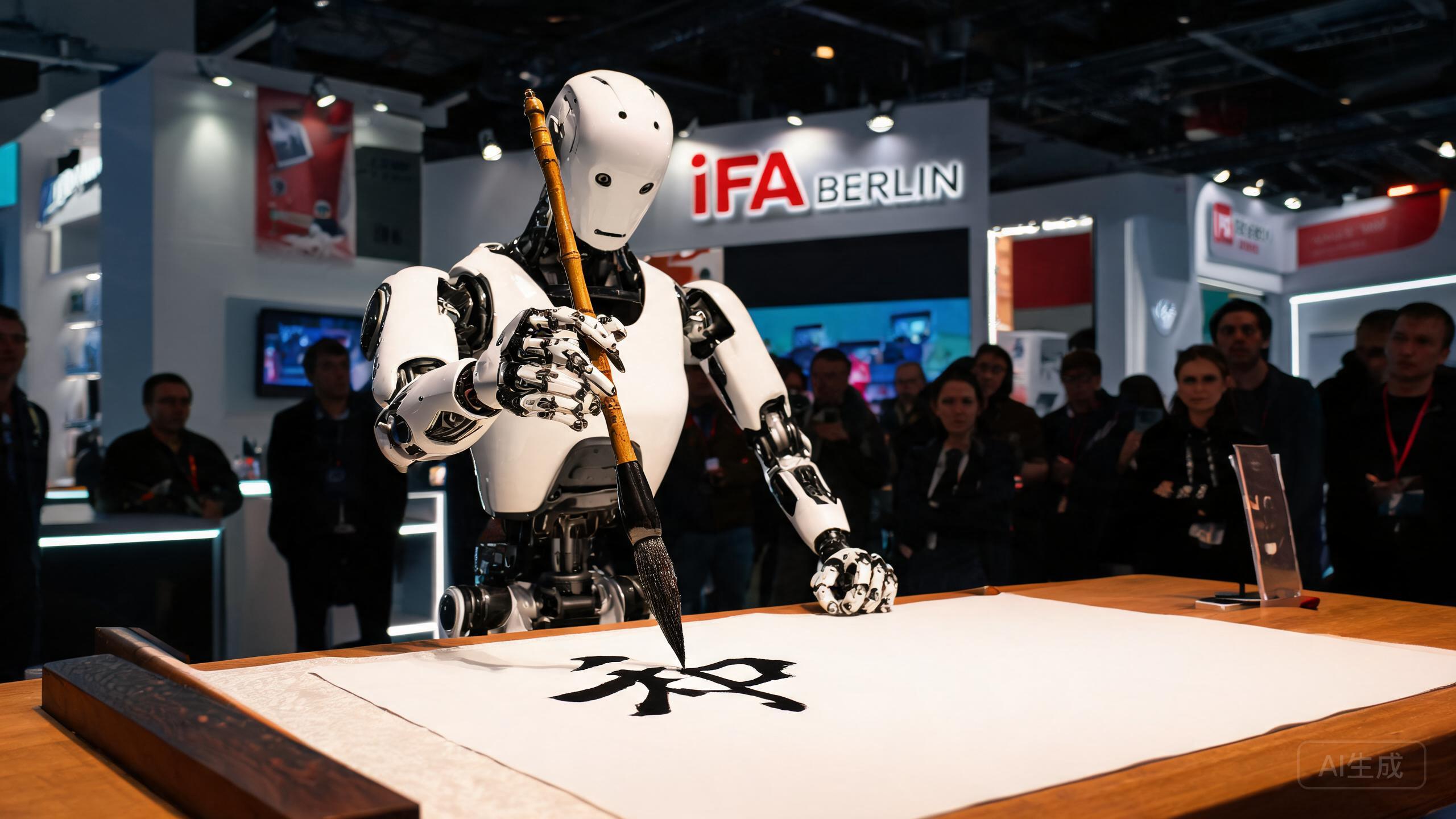
At IFA Berlin 2026 (September 4–8), Chinese robotics pioneer Agibot secured the prestigious IFA Innovation Award 2026 (Best in IFA Next & Emerging Technologies) for its flagship Agibot A3 platform, alongside 'Best in Show' recognitions from international technical press. It is the first humanoid robot to win the honor in the award's history.
Standing 1.73 meters tall and weighing 55 kg, the Agibot A3 addresses one of the hardest mechanical tradeoffs in full-size humanoid engineering: combining explosive kinetic power with delicate micro-manipulation. Its instantaneous power output reaches up to 12 kW across high-torque joint modules, yielding an industry-leading power-to-weight ratio of 0.218 kW/kg — enough to perform somersaults and martial arts movements.
The A3 performed live Chinese calligraphy at IFA Berlin's IFA Next hall, demonstrating its OmniHand dexterous manipulation system. Visuotactile sensors sit at all five fingertips, converting fingertip skin deformation into contact location and force magnitude in a single data channel. The system can handle both heavy workshop components and fragile glassware, and even wield a calligraphy brush with appropriate force transparency.
Additional verified specifications include up to 10 hours of continuous operational endurance on a single charge, a 10-second hot-swappable dual battery module (1152 Wh, full-tab cells) built into the lower torso, and Ultra-Wideband (UWB) swarm communication enabling deterministic choreographies across up to 100 synchronized units without local Wi-Fi latency. The A3 also features a full-body touch sensing layer and a 360-degree microphone array.
The A3's IFA debut underscored a structural shift: humanoid bipedal robotics moved from laboratory curiosity into frontline commercial hardware. As European industrial enterprises and research institutes evaluated procurement contracts directly on the show floor, SpecsLib noted: 'Constructors are now evaluated on concrete engineering metrics: joint torque density in Nm/kg, sensor refresh rates in milliseconds, battery swap cycle times, and verified unit shipments.'
Constructors are now evaluated on concrete engineering metrics: joint torque density, sensor refresh rates, battery swap cycle times, and verified unit shipments.
— SpecsLib / Mathieu Belletre
Related Robot
Agibot A3
Agibot
Related News
 工业和信息化部
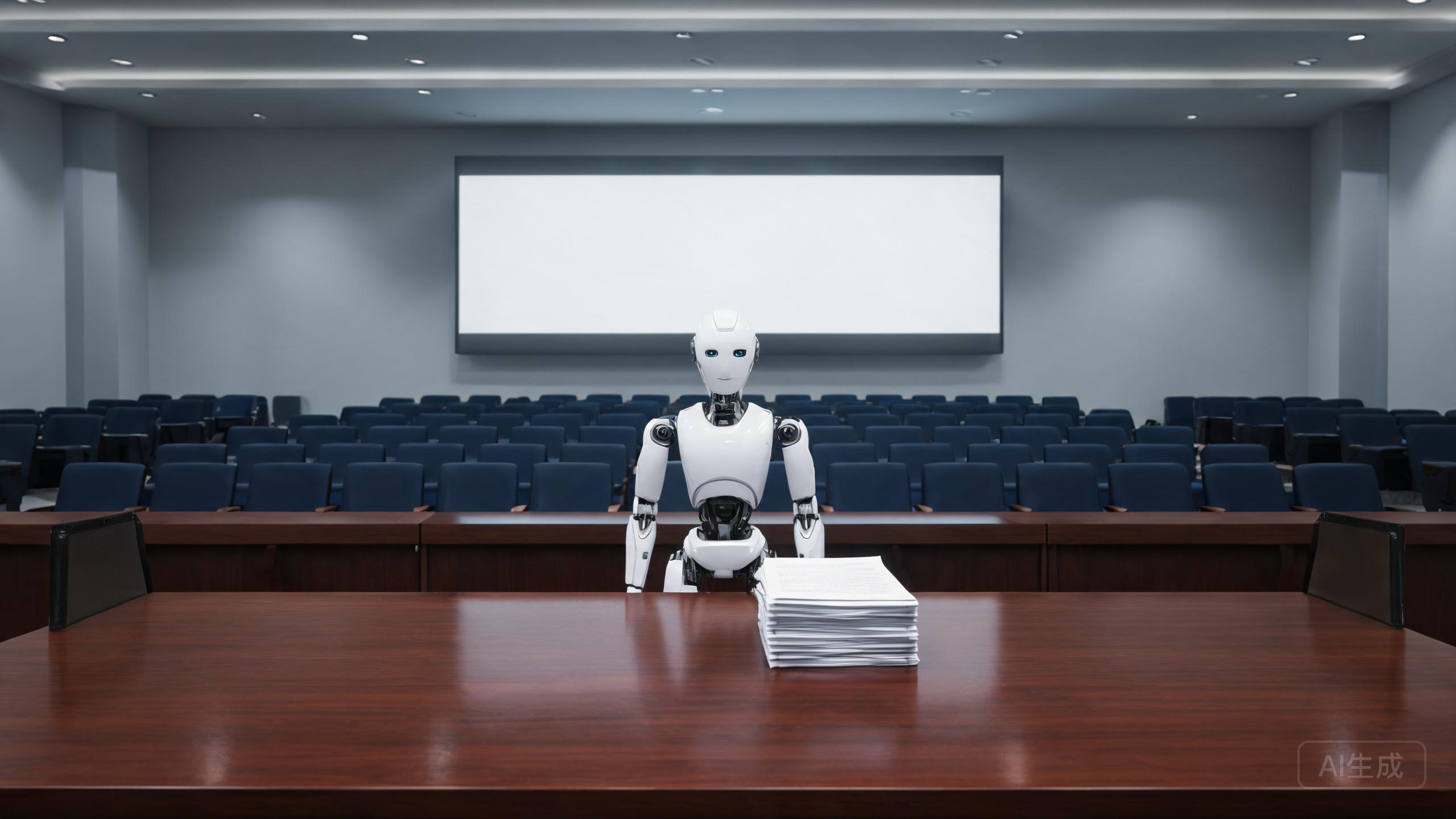
China's MIIT Issues 2027–2029 Humanoid Robot Action Plan, Targeting 500,000 Units a Year
The Ministry of Industry and Information Technology published a three-year action plan for humanoid robots on November 23, 2026, covering 2027–2029. Targets include annual output of 500,000 units, an industry scale of ¥300 billion, 85% localization of core components, three to five globally competitive platform companies, and at least 100 demonstration projects each in automotive, electronics, logistics and elderly care.
 香港交易所 / 智元机器人招股书
AgiBot Files for Hong Kong IPO to Raise $1.5 Billion, Targeting a ~HK$100 Billion Valuation
AgiBot submitted a listing application to the Hong Kong Stock Exchange on November 17, 2026, seeking to raise about $1.5 billion at a targeted valuation of roughly HK$100 billion. The filing discloses ¥4.7 billion in revenue for the first nine months of 2026, a net loss of ¥1.1 billion, and cumulative humanoid production of more than 20,000 units, making it the largest humanoid IPO attempt after Unitree and Agility.
 高工机器人 GGII / 产业调研
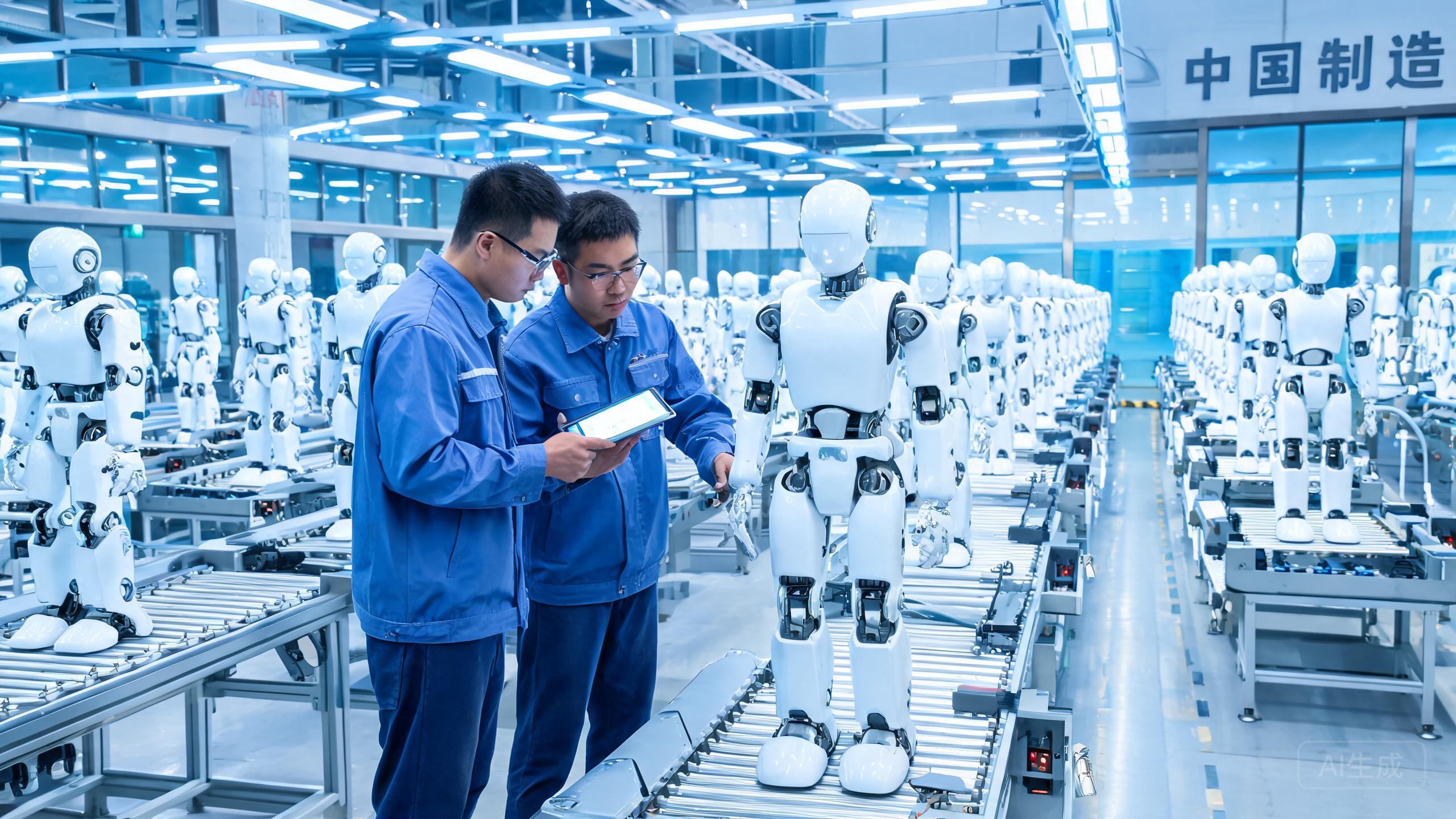
China's October Humanoid Output Hits 23,600 Units — GGII Raises Full-Year 2026 Forecast to 150,000
GGII data released on November 12, 2026 shows China produced 23,600 humanoid robots in October, up 18.4% month-on-month, bringing January–October output to 114,000 units. The research firm raised its full-year 2026 forecast from 100,000 to 150,000 units — its third upward revision this year — as average selling prices fell to ¥180,000 and Chinese makers held roughly 93% of global shipments.