Faraday Future Unveils $2,490 FF Nova Humanoid and $299 Nova Mini in Los Angeles
On October 15, 2026, Faraday Future unveiled two consumer robots in Los Angeles: the full-size FF Nova humanoid priced at $2,490 and the FF Nova Mini at $299 targeting K-12 education. Both are built on FF's 'One Brain, Multi-forms' embodied AI ecosystem, where a single shared cloud intelligence drives multiple robot forms. The aggressive pricing undercuts nearly every consumer humanoid announced to date and marks FF's formal expansion from electric vehicles into consumer robotics.
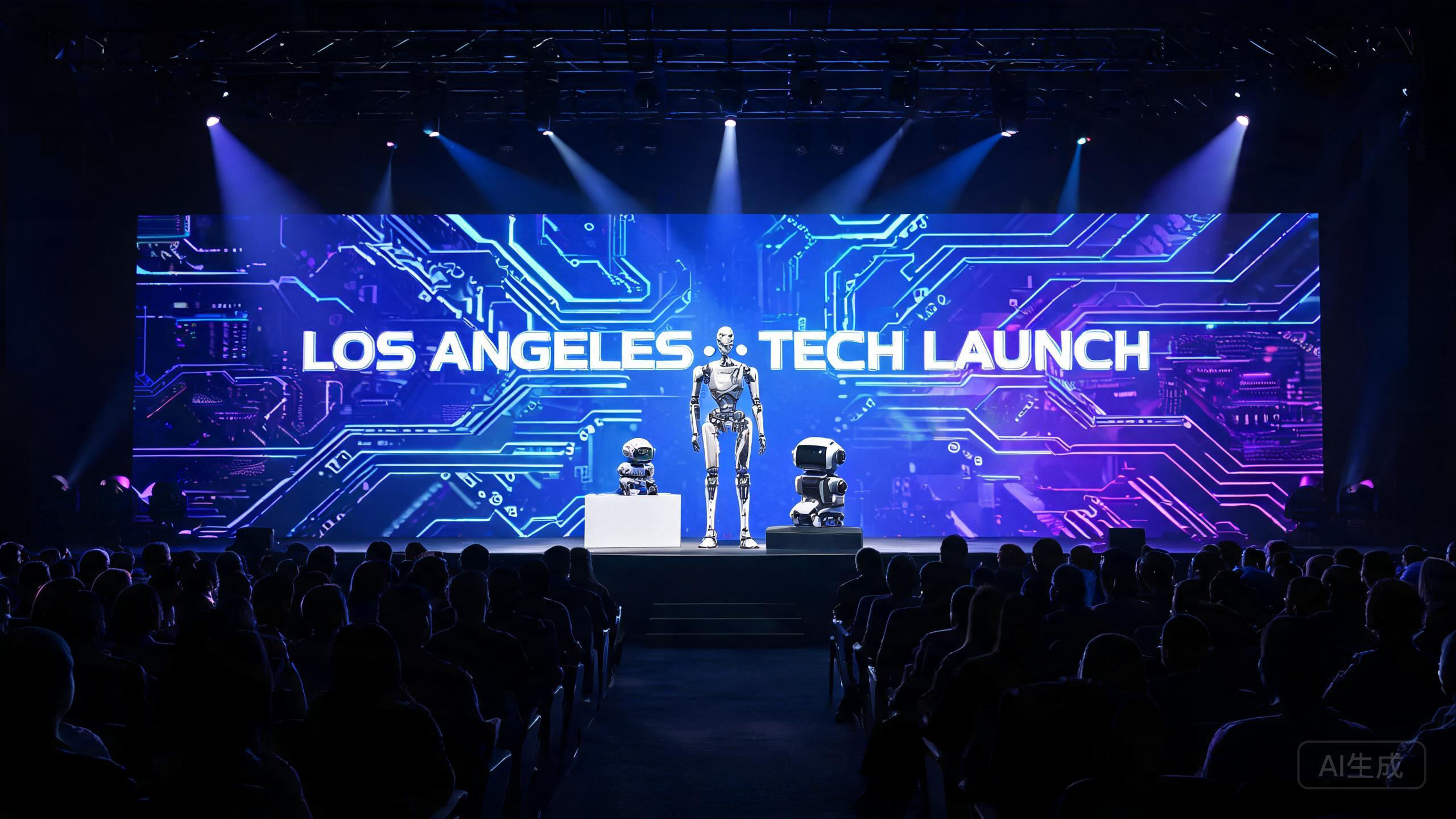
Faraday Future held a launch event in Los Angeles on October 15, 2026, unveiling its first consumer robotics products: the FF Nova, a full-size humanoid robot priced at $2,490, and the FF Nova Mini, a $299 desktop robot aimed at K-12 education. The company framed the launch as the first commercial output of its 'One Brain, Multi-forms' strategy — a shared cloud-based embodied AI architecture in which one intelligence model powers multiple physical robot forms.
The FF Nova is positioned as an entry-level home humanoid capable of basic assistance tasks, voice interaction, and companionship. While Faraday Future disclosed limited hardware specifications at the event, the company emphasized that the robot's intelligence is primarily cloud-driven, allowing continuous capability upgrades without hardware changes. The Nova Mini, at roughly one-eighth the price, is a programmable educational robot designed to bring embodied AI concepts into classrooms, with curriculum partnerships reportedly in development.
The $2,490 price point is striking in a market where most announced consumer humanoids — from 1X's NEO at around $20,000 to various Chinese models starting near $2,780 — sit at or above FF's pricing. Analysts note that FF is likely subsidizing hardware to build installed base for its cloud AI services, mirroring strategies seen in the EV and smart device markets. The company has not yet published detailed actuator, battery, or manipulation specs, leaving open questions about real-world capability.
The launch represents a significant strategic pivot for Faraday Future, which has struggled for years to scale EV deliveries. By leveraging its existing AI, software, and supply chain assets into robotics, FF joins a growing list of automakers — Tesla, Xpeng, BYD, and Hyundai among them — betting that embodied AI will be the next major consumer category. FF said pre-orders for both robots opened immediately, with first deliveries targeted for 2027.
Industry reaction has been mixed. Supporters see the pricing as a potential iPhone moment for consumer humanoids, finally putting a bipedal AI robot within reach of ordinary households. Skeptics caution that FF's track record of production delays in vehicles warrants caution about delivery timelines, and that a $2,490 humanoid will likely offer limited manipulation and mobility compared with pricier rivals. Hands-on reviews expected once demo units ship to media later this quarter should clarify how much capability the price buys.
One brain, multi-forms — the same intelligence that drives our cars will now walk into your home.
— Faraday Future 发布会
Related Robot
FF Nova
Faraday Future