CATL Unveils Humanoid-Specific Battery Pack at 400 Wh/kg, Claims 8-Hour Runtime
CATL introduced a humanoid robot-specific battery pack on November 22, 2026, with 400 Wh/kg energy density, 2.4 kWh capacity, 3,000 cycles and a two-minute swap design. The company says it supports eight hours of mixed-duty operation and cuts pack cost by 35% versus 2025 levels. CATL has secured 120,000 units of 2027 orders from Unitree, AgiBot and UBTech, according to people familiar with the deals.
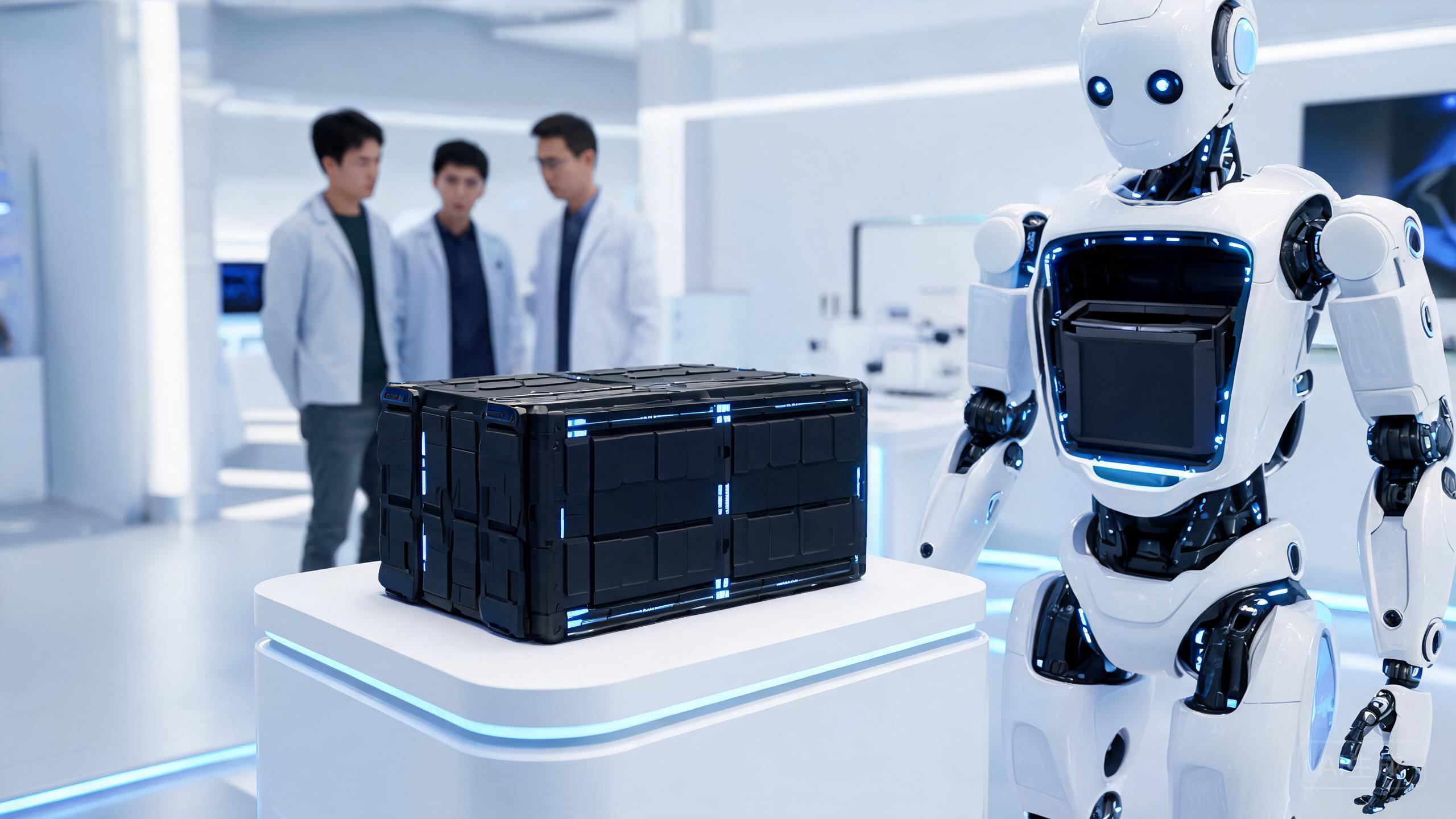
CATL unveiled a battery pack designed specifically for humanoid robots on November 22, 2026, addressing what many operators describe as the most annoying constraint in daily use: runtime. The pack, marketed under the Qilin-H name, delivers 400 Wh/kg at 2.4 kWh, roughly double the energy density of the 18650-based packs most Chinese humanoids carried in 2025, and weighs 6.2 kg.
The headline claim is eight hours of mixed-duty operation, up from four to six hours on current platforms. CATL achieved it through a combination of higher-density nickel-rich cells, a structural pack that uses the robot's aluminum chassis as a heat sink, and a redesigned battery management system that predicts load from the robot's gait and task schedule rather than reacting to voltage sag. The pack is rated for 3,000 cycles and operation from -20°C to 60°C, with 30 minutes of no-fire performance in nail-penetration tests.
Swap capability may matter more than capacity. The Qilin-H uses a tool-less cartridge design that CATL says can be exchanged in under two minutes, enabling depots and factories to run robots across multiple shifts without charging downtime. Several Chinese operators have already built manual swap routines around earlier packs; CATL's version standardizes the interface, and the company is offering a floor-mounted swap cabinet for fleet customers.
Commercial traction is already substantial. People familiar with the agreements say CATL has secured 120,000 packs of 2027 orders from Unitree, AgiBot and UBTech, with Unitree taking the largest share for its H2 series. The packs are being produced at CATL's Ningde and Liyang plants on lines converted from automotive cell production. CATL is targeting more than 50% share of the humanoid battery market by 2028, against competition from EVE Energy, Gotion and several smaller specialists.
The battery has become a strategic battleground because it sits at the intersection of runtime, weight and safety — the three variables that determine whether a humanoid can work a full shift. CATL's entry gives Chinese makers a domestic supply advantage that Western competitors lack, but it also deepens dependence on a single supplier. For buyers, the practical effect of the announcement is simpler: the eight-hour shift, long a marketing promise, now has a component designed to deliver it.
Every humanoid specification sheet starts with degrees of freedom and ends with payload — the number that decides whether it ships is hours per shift.
— 行业评论 / 宁德时代
Related Robot
H2 Plus
Unitree × NVIDIA
Related News
 中国移动 / 采购与招标网
China Mobile Awards 5,000-Unit Humanoid Procurement Worth ¥1.2 Billion
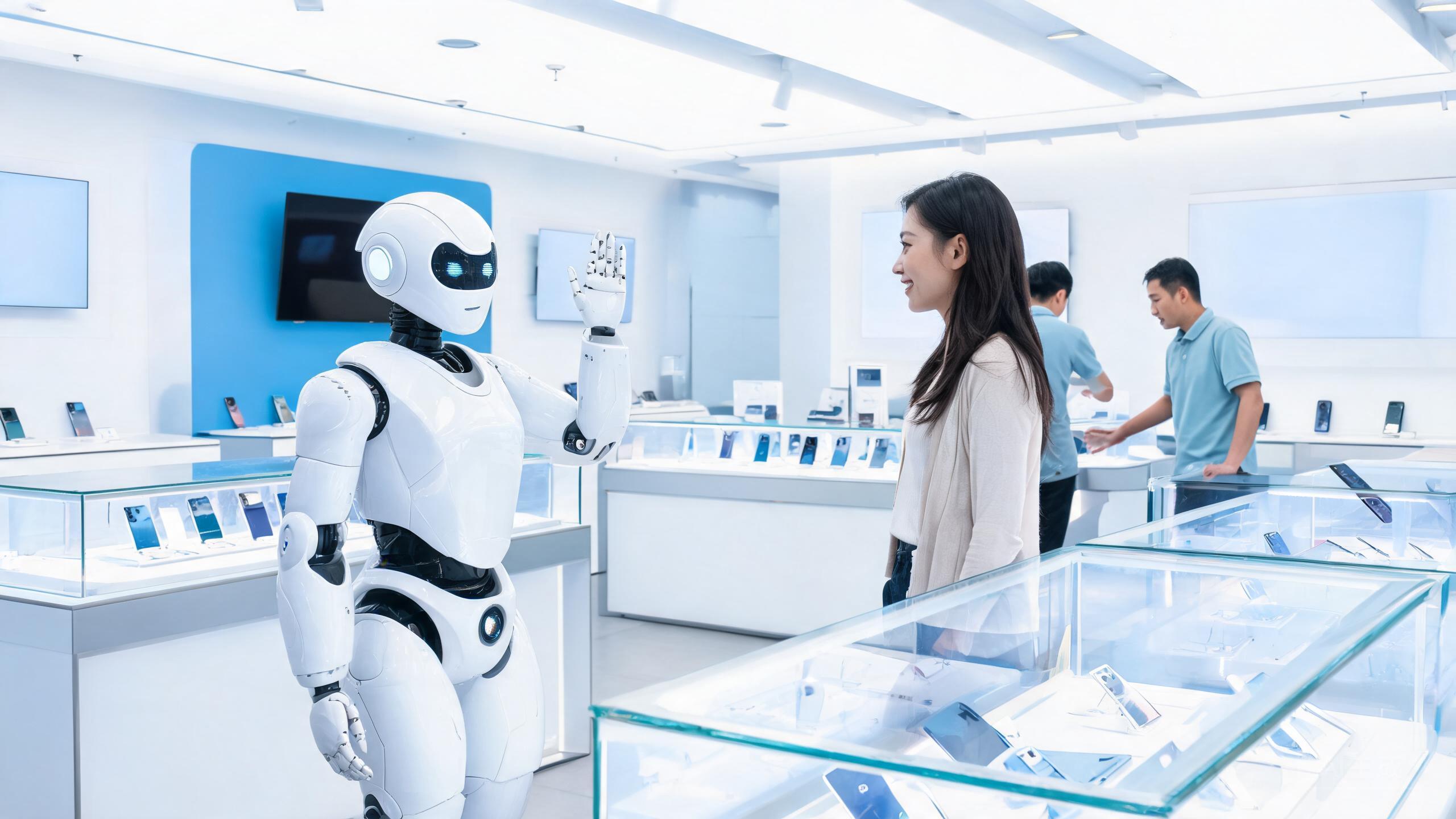
China Mobile has awarded its first large-scale humanoid robot procurement, ordering 5,000 units worth about ¥1.2 billion, according to results announced November 24, 2026. Unitree won 2,200 units, AgiBot 1,800 and UBTech 1,000. The robots will serve business halls, data-center inspection and warehouse logistics, marking the first multi-thousand-unit order from a Chinese telecom operator.
 海关总署 / 中国机电产品进出口商会
China's October Humanoid Exports Hit ¥2.6 Billion as Customs Creates Dedicated Code
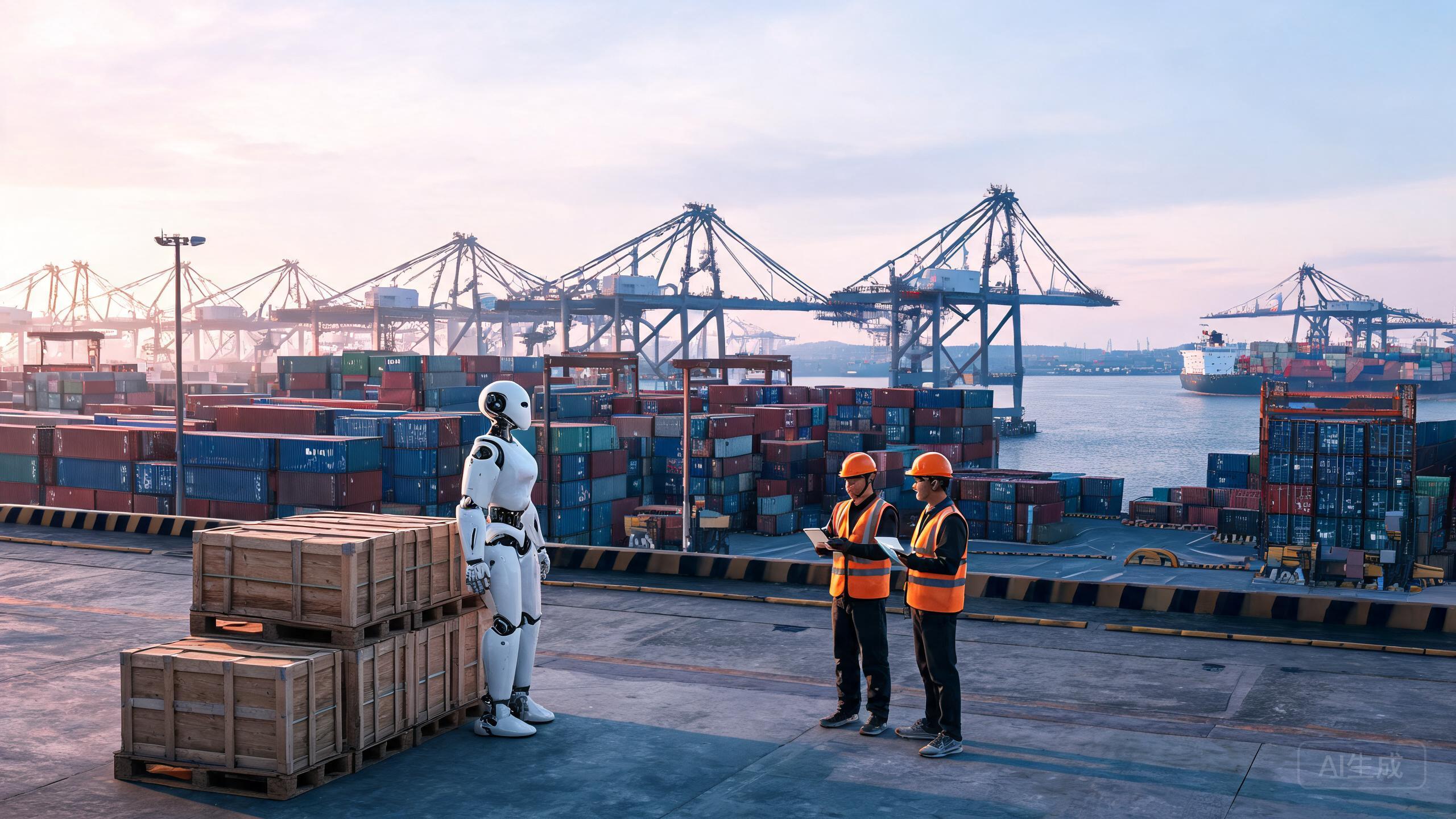
China exported ¥2.6 billion worth of humanoid robots in October 2026, up 168% year-on-year, according to customs data released on November 21. The General Administration of Customs created a dedicated 10-digit HS code for humanoids for the first time, revealing 9,800 units shipped. Europe took 34% of export value, the Middle East 28% and Southeast Asia 22%.
 宇树科技财报 / 上交所
Unitree's First Post-IPO Quarter: Humanoid Revenue Tops Quadruped Robots for the First Time
Unitree reported its first quarterly results since listing on the STAR Market on November 13, 2026: Q3 revenue of ¥4.86 billion ($680M), up 212% year-on-year, with humanoid robot revenue reaching ¥1.72 billion and surpassing quadruped robots for the first time. The company shipped 8,600 humanoids in the quarter at an average price of roughly ¥200,000, and founder Wang Xingxing said 2027 capacity is being planned at 50,000 units per year.